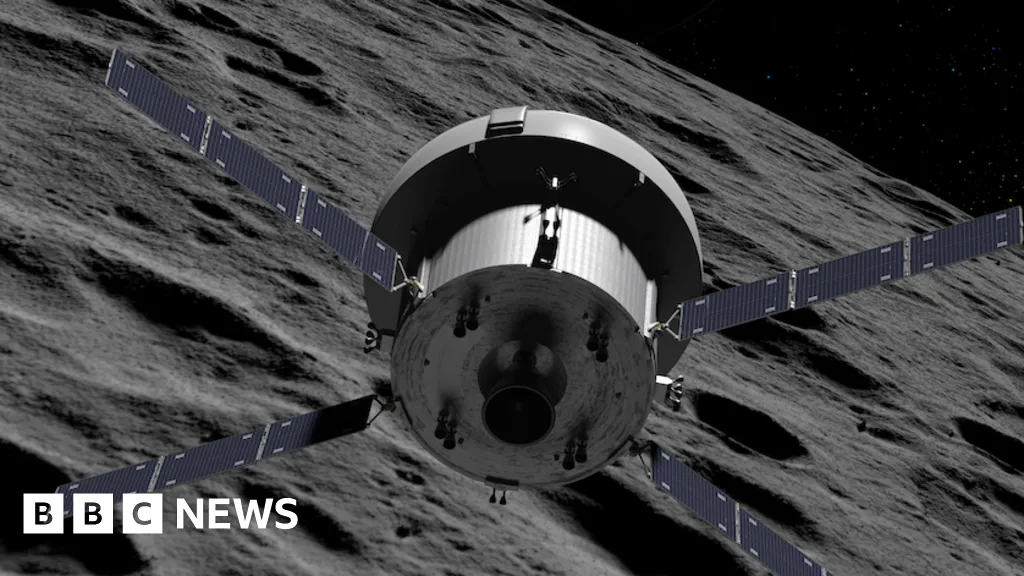
As four Artemis astronauts neared the far side of the Moon, NASA staff gathered in Houston's mission control room. They took a team photo, all smiling as countdown clocks ticked. The Orion spacecraft was getting closer to the Moon, a mission years in the making finally happening.
This mission comes during a tough year for science in the United States. The Trump administration has cut funding, stopped projects, and reduced workforces. Despite this, NASA sent astronauts around the Moon for the first time in 50 years. They went deeper into space than ever before.
Exploration scientist Jacob Bleacher called the moonshot a "massive positive moment." He noted that people have worked on this mission for months, years, and even over a decade. Most Americans, including NASA scientists, were not alive when Apollo missions first went to the Moon in the late 1960s.
We're a new kind of news feed.
Regular news is designed to drain you. We're a non-profit built to restore you. Every story we publish is scored for impact, progress, and hope.
Start Your News DetoxThe Apollo myth was a thing of the past, until now. Bleacher, speaking from NASA's Science Mission Operations Room, called it "surreal." He said this is his generation's first chance to truly achieve this. He sees it as "walking through a doorway into how humankind explores the solar system going forward."
A Boost for Morale
President Donald Trump has pushed NASA to land astronauts on the Moon before his second term ends in 2029. However, the White House recently suggested cutting NASA's overall budget by 23%. They also proposed significantly reducing science program funding. Like many US government agencies, NASA has faced "significant cuts to their workforce," according to Clayton Swope, a space policy expert.
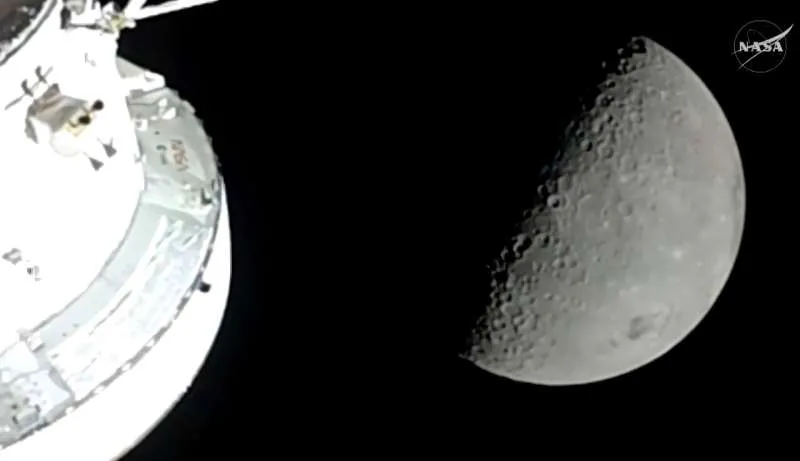 This screengrab from a NASA livestream shows the Orion spacecraft approaching the Moon on April 6, 2026. Image: AFP
Swope believes NASA has delivered with Artemis 2, even under challenging conditions. Amanda Nahm, a program scientist for NASA Headquarters, said the successful Artemis II launch and mission offer "a good morale boost." She noted it reminds them that their core mission is "hard, exciting exploration—seeing new things, trying out new things we've never done before." Nahm hopes it will "reinvigorate us all."
The four astronauts on the mission often reflect on the importance of their role. They emphasize that they are part of a project much larger than themselves. Mission commander Reid Wiseman often credits the team that supports them.
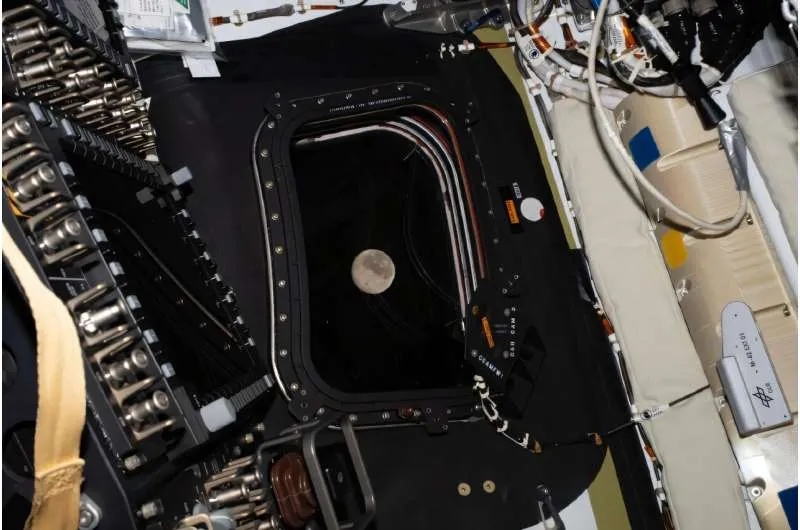 This handout picture by an Artemis II crew member provided by NASA shows the moon through a window of the Orion spacecraft on April 6, 2026. Image: AFP
Wiseman said they feel "lifted up by the team that supports us." He explained that many people guide them on how to operate the vehicle. He also highlighted the great training they received. He believes the team's ability to go "step by step" is remarkable and shows their excellence.