A routine construction survey in northern Germany has uncovered something archaeologists rarely find in such complete form: a 2,500-year-old settlement that's rewriting what we know about everyday life before the Romans arrived.
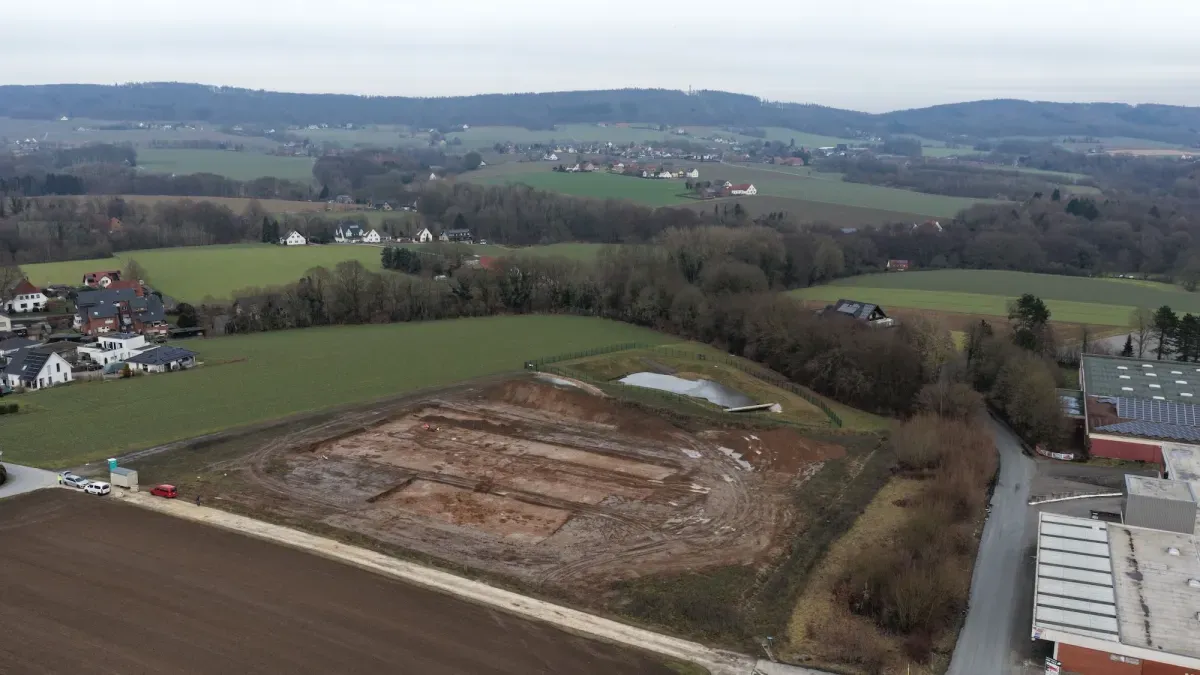
Workers preparing to build a new fire station in Hüllhorst, a small town about 45 miles west of Hanover, hit pause when surveyors spotted soil patterns that didn't belong. What they'd found was only the third Iron Age settlement ever discovered in the region — and it's intact enough to tell a detailed story.
What the Ground Reveals
The real archaeology here wasn't dramatic. No treasure hoards or dramatic artifacts. Instead, excavation director Hisham Nabo's team spent months reading the soil itself. Dark stains marked where ancient refuse pits had been. Postholes showed where wooden posts once stood. These traces — invisible to the untrained eye — became a blueprint for reconstructing entire buildings.
We're a new kind of news feed.
Regular news is designed to drain you. We're a non-profit built to restore you. Every story we publish is scored for impact, progress, and hope.
Start Your News DetoxAmong them: a large residential structure, carefully oriented to face northeast-to-southwest. That wasn't random. By positioning the narrow sides toward prevailing winds, the builders were actively managing how weather would affect their home. It's a small detail that reveals something crucial: these weren't people just surviving in the landscape. They were engineering solutions, thinking about airflow and exposure the way any builder would today.
Fragments of handled cups and decorated pottery, combined with radiocarbon dating, placed the settlement between 800 and 600 BCE — the Iron Age, centuries before Roman legions ever set foot in the region.
Why This Matters Now
The real significance here is context. For decades, archaeologists in East Westphalia had only two reference points for how Iron Age people lived: settlements excavated in Werther and Minden. Two data points don't make a pattern. Hüllhorst becomes the third, and suddenly you can start seeing how communities actually organized themselves, what they valued, how they adapted to their environment across a wider region.
The settlement's location near Wöhrsiek, a freshwater spring that's been in continuous use for thousands of years, also tells a story about human priorities that transcends time. Water meant survival. People have always known this. Archaeological surveys in the region are now routinely timed before construction projects precisely because this spring's importance has been drawing inhabitants for millennia.
Scientific adviser Sebastian Düvel put it plainly: "Together with the new discoveries in Hüllhorst, we hope to gain exciting insights into everyday life during this time." Not grand narratives or kings and battles, but the ordinary decisions people made about where to build, how to build it, what to store, what to throw away.
The fire station will eventually be built. But first, the ground gets to tell its story.