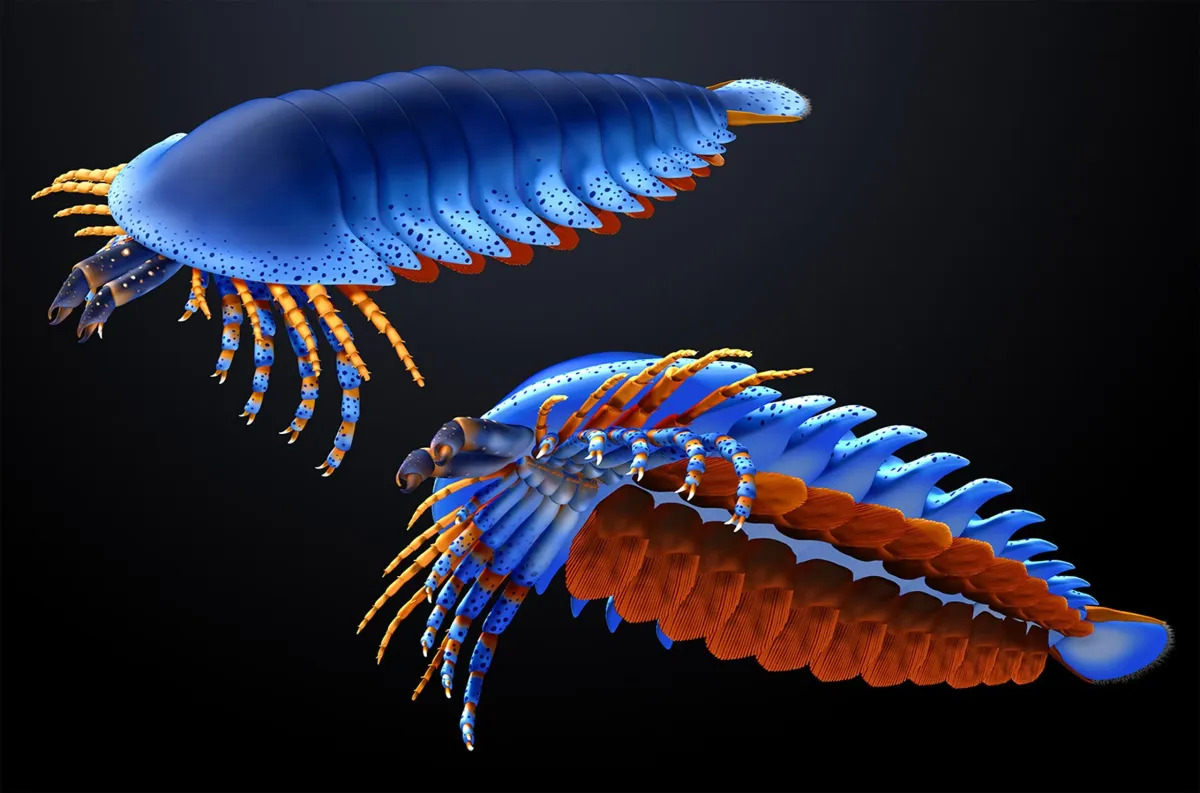
Imagine dusting off a fossil that's been chilling in a museum for decades, thinking it's nothing special, only to discover it's the Ur-spider. The OG. The one that basically said, "Hey, future arachnids, this is how we're doing things." That's essentially what happened when paleontologist Rudy Lerosey-Aubril took a closer look at Megachelicerax cousteaui.
This ancient sea predator, unearthed in a Utah desert over 40 years ago, was just your average 500-million-year-old arthropod. Until Lerosey-Aubril spent 50 hours under a microscope cleaning it. That's when he found them: a pair of frontal claws on its head. Because apparently, 500 million years ago, some creatures decided antennae were so last eon and went straight for the pinchers.
Claws Before It Was Cool
This isn't just a fun fossil find; it's a history rewrite. Before M. cousteaui (named, delightfully, after Jacques Cousteau), the oldest known chelicerates—the group that includes every spider, scorpion, and horseshoe crab you've ever seen—were a youthful 480 million years old. Our clawed friend here pushes that timeline back by a solid 20 million years. Let that satisfying number sink in.
We're a new kind of news feed.
Regular news is designed to drain you. We're a non-profit built to restore you. Every story we publish is scored for impact, progress, and hope.
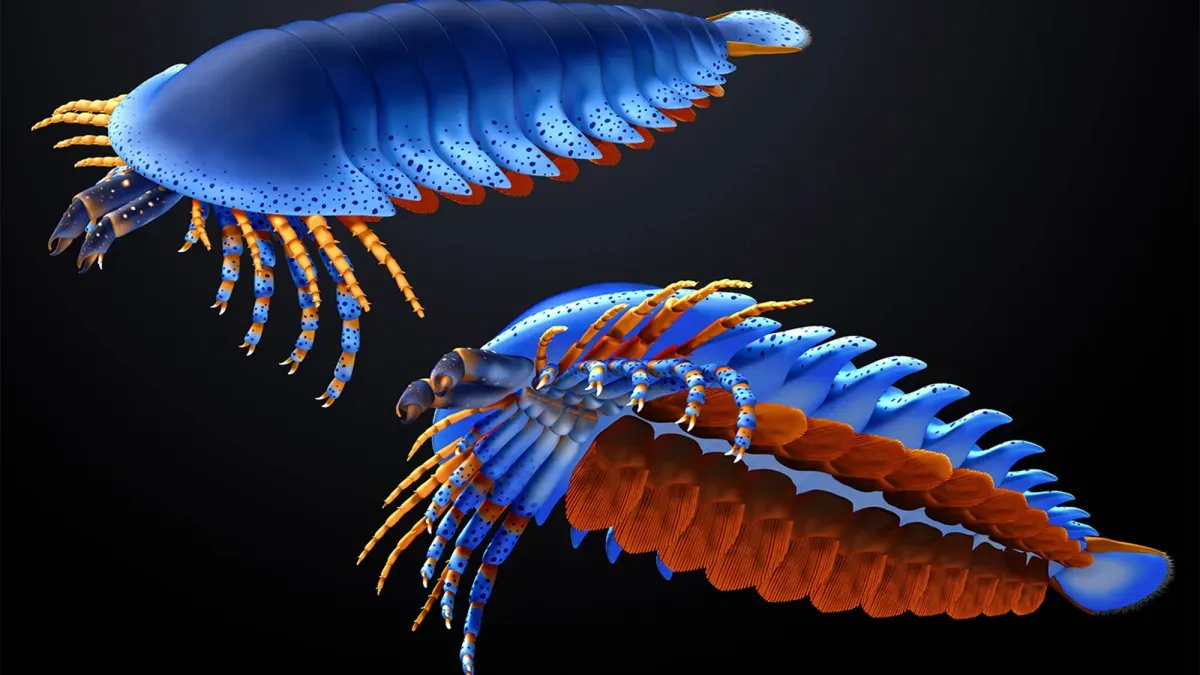
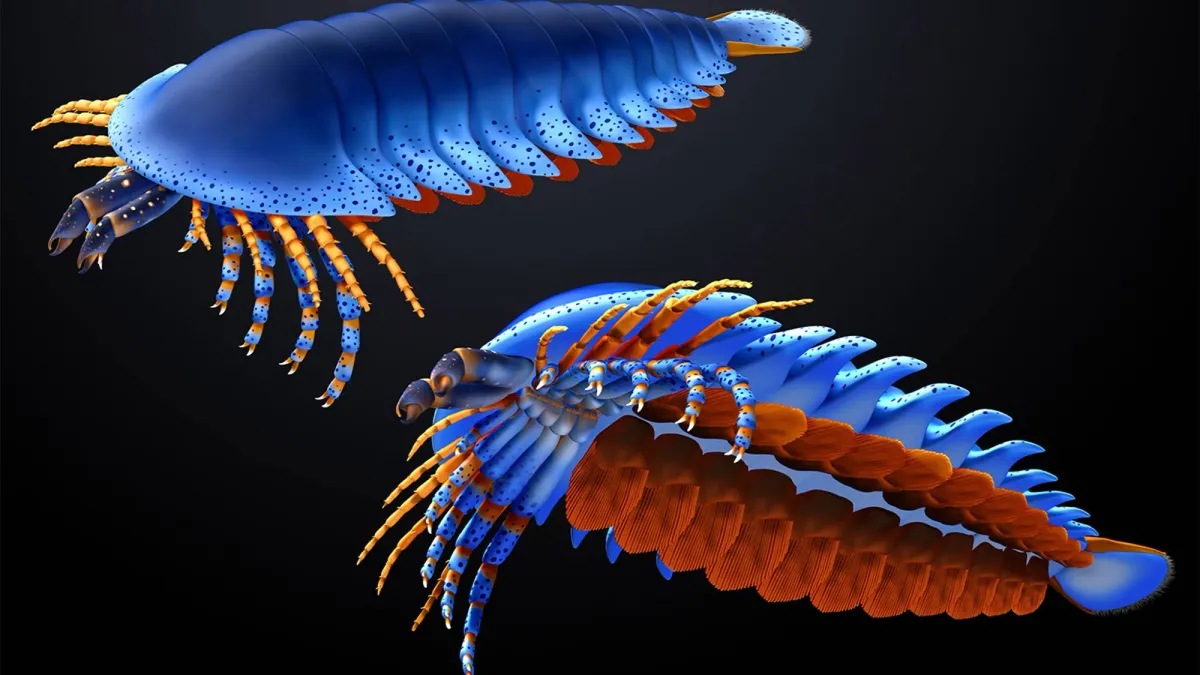
Start Your News DetoxAt just over three inches long, M. cousteaui sported a specialized body that looks surprisingly modern. It had head appendages for munching and sensing, and trunk appendages for swimming and breathing. This level of biological sophistication for a creature of its age is like finding out a flip phone from the '90s could stream 4K video. Which, if you think about it, is both impressive and slightly terrifying.
This ancient marvel fills a crucial gap in the evolutionary narrative. It shows us how claws and a two-part body plan came together before those head appendages evolved into the leg-like structures we see on modern spiders. Study co-author Javier Ortega-Hernández put it best, noting that this discovery means "everybody was partly right" about their evolutionary theories. It's the scientific equivalent of all your friends getting a piece of the pizza.
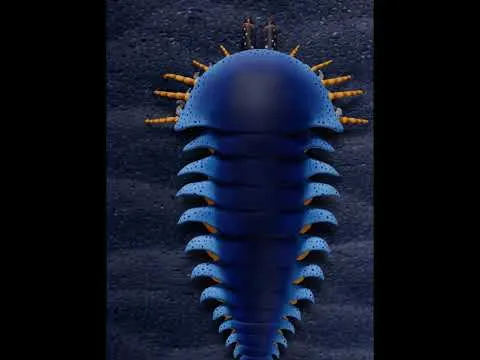
It’s also a testament to the fact that some of the biggest discoveries are just waiting patiently in a museum drawer. This specimen was found by an amateur paleontologist, Lloyd Gunther, decades ago and then donated. Its true significance only emerged after a dedicated clean-up. So, the next time you see an old rock, remember: it might just be holding a half-billion-year-old secret.