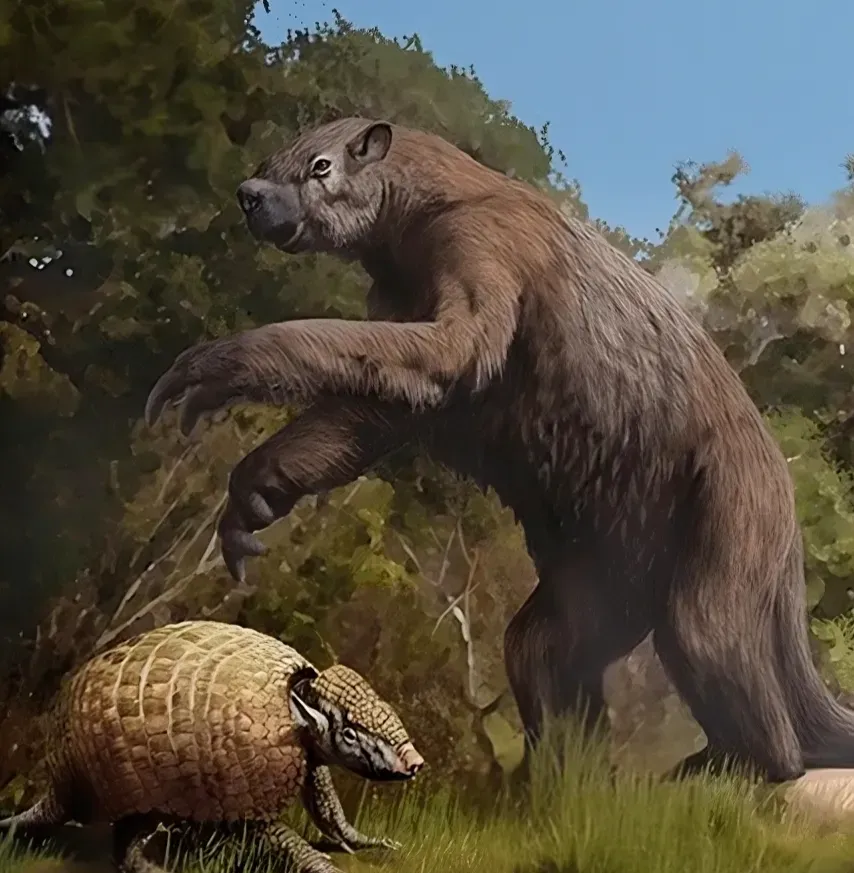
About 100,000 years ago, Central Texas was likely a warm, moist forest. Giant ground sloths, saber-tooth cats, camels, mastodons, giant tortoises, and lion-sized armadillo ancestors called pampatheres roamed the area.
This new understanding comes from researchers who found many fossilized animal remains in an underground stream near San Antonio. Some of these species had never been found in Central Texas before. The discoveries were published on March 19 in the journal Quaternary Research.
Discovering Bender's Cave
Texas has thousands of caves, many holding well-preserved animal remains from tens of thousands of years ago. These caves offer a look into the state's ancient ecosystems.
We're a new kind of news feed.
Regular news is designed to drain you. We're a non-profit built to restore you. Every story we publish is scored for impact, progress, and hope.
Start Your News DetoxA few years ago, John Young, a spelunker and paramedic, got permission to explore Bender’s Cave. This cave is a previously unknown groundwater system on private land in Comal County, near San Antonio. Once inside, Young found many fossils.
He sent photos of the bones to John Moretti, a paleontologist at the University of Texas at Austin. Moretti was intrigued and joined Young in the cave.
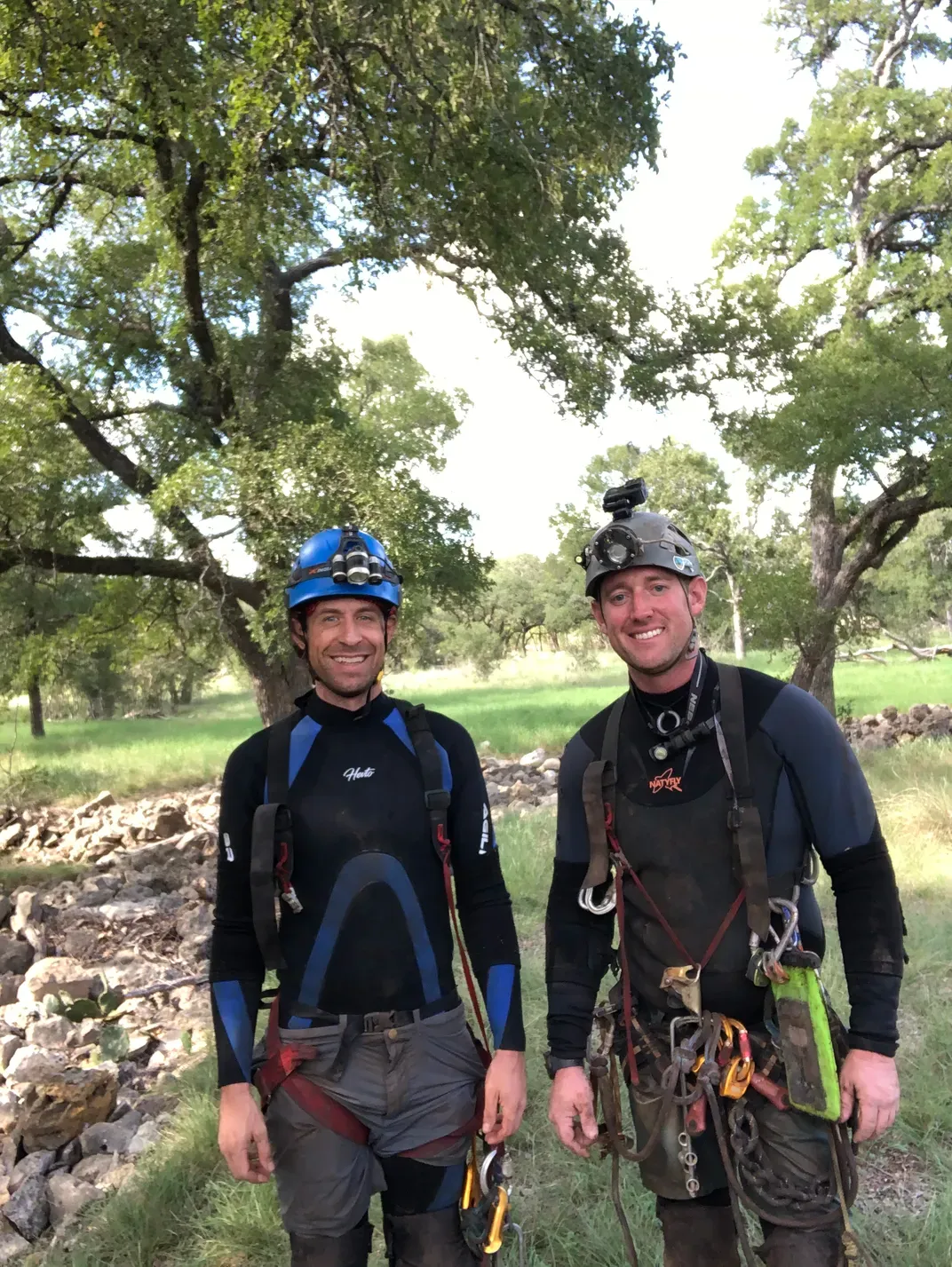
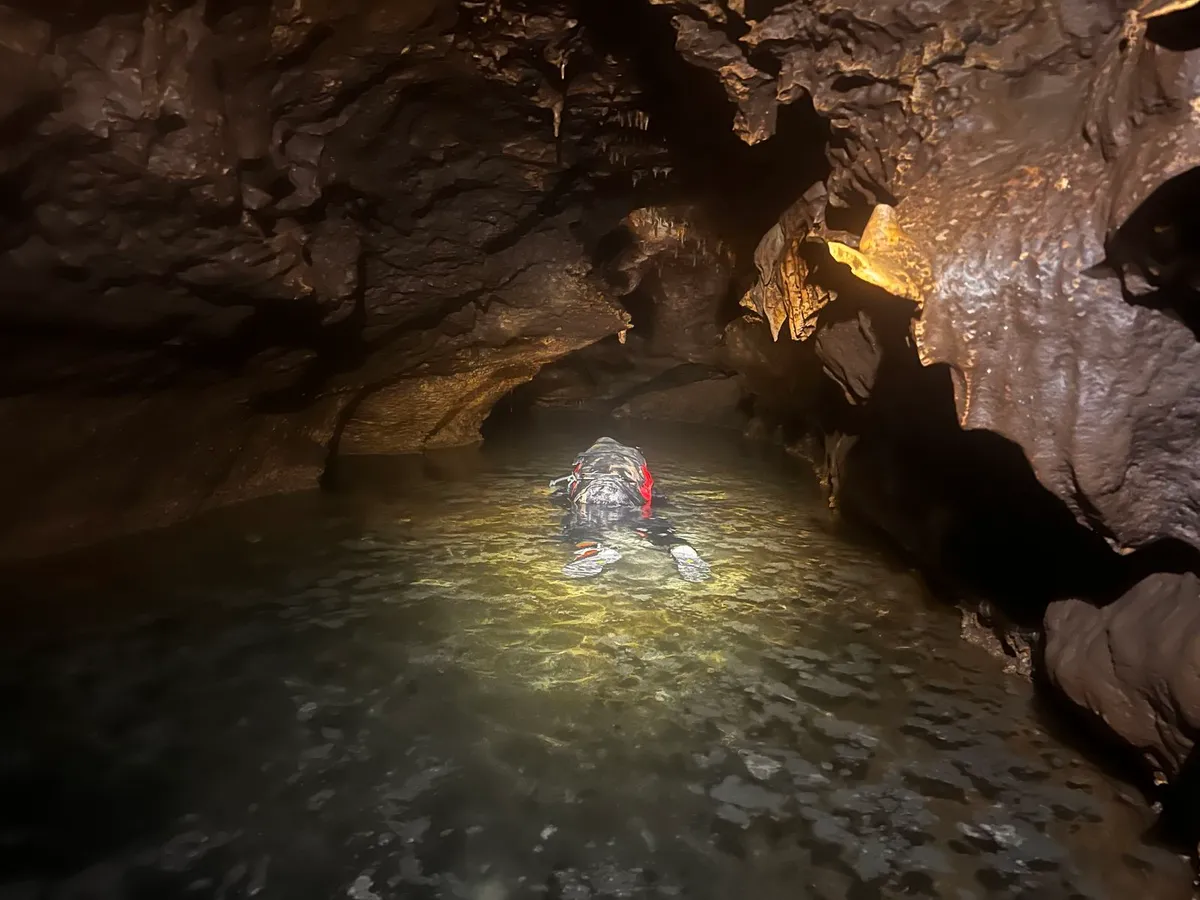
From March 2023 to November 2024, they made six trips into the cavern. The cave has an underground stream, usually a few feet deep. They wore snorkels, goggles, and wet suits for their expeditions.
Moretti told Live Science that they used bags attached to their waists to collect fossils as they went. They explored 21 different areas of the cave.
A Trove of Fossils
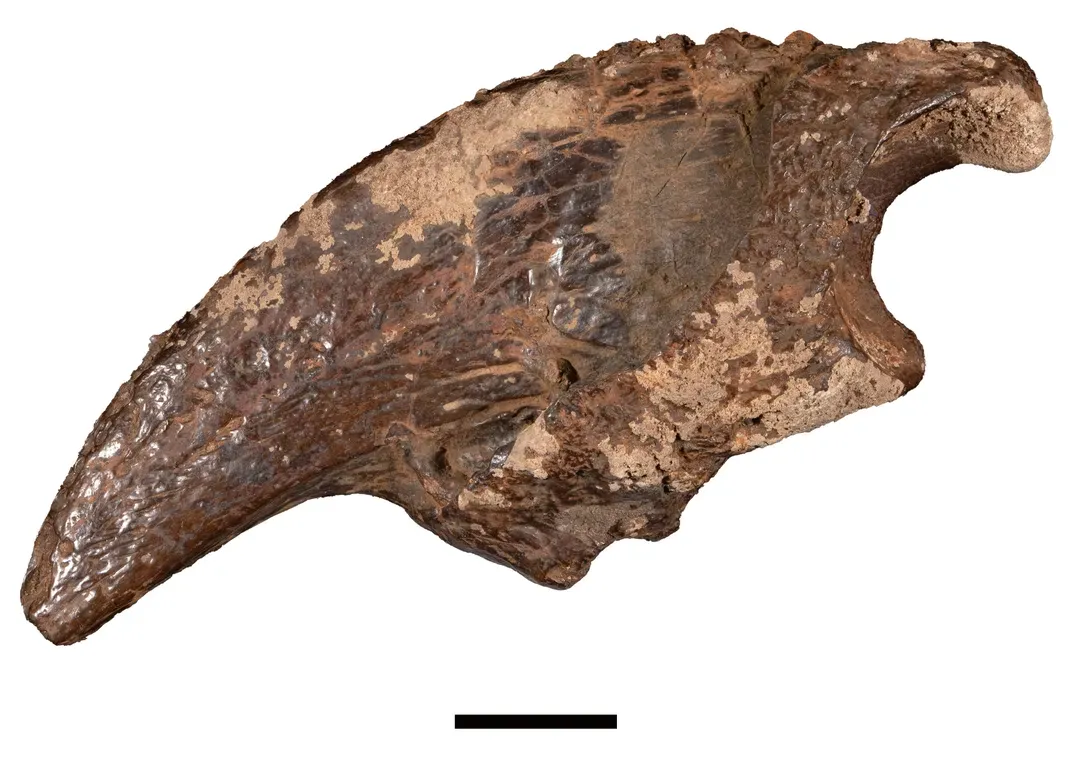
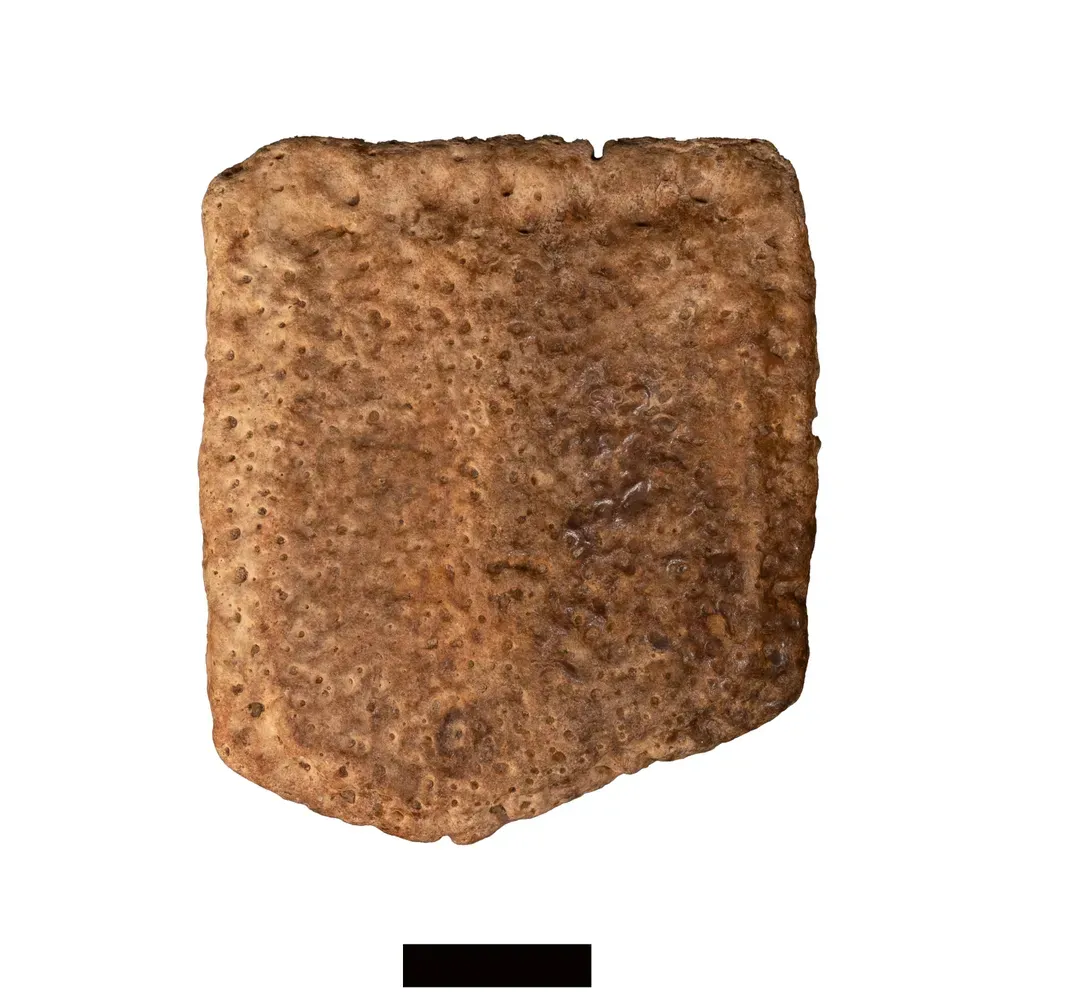
They found many fossilized remains, including bones, teeth, a giant ground sloth claw, giant tortoise shell pieces, and parts of pampathere armor. Most fossils were visible on the stream bed, with some sticking out of underwater mud.
Moretti said in a statement that there were fossils everywhere, more than he had seen in any other cave.
Texas has many caves because about 20% of the state is a karst landscape. This means it's made of rocks like limestone that dissolve in acidic water, creating caves, sinkholes, and springs.
Researchers had found some of these animals, like bison, horses, camels, and mammoths, in other regional caves. However, the giant tortoise and pampathere were new and unexpected finds for this part of Texas.
David Ledesma, a paleontologist at St. Edwards University, noted that some of the fossils were from species not thought to live in this area.
Uncovering Ancient Climate Clues
The researchers believe the fossils were washed into Bender’s Cave by sinkholes during floods and erosion thousands of years ago. The fossils share similar physical traits, suggesting they were deposited around the same time. However, dating them precisely is hard due to the lack of surrounding dirt and rock, and chemical changes from being submerged in mineral-rich water.
The best estimate is that these animals lived during a warm period about 100,000 years ago. This is based on what is known about the habitats of these extinct creatures. For example, giant ground sloths and mastodons lived in forests. Giant tortoises and pampatheres preferred hotter climates.
The Bender’s Cave fossils also resemble interglacial specimens found near Dallas and along the Gulf Coast.
These findings suggest that Central Texas was likely warm, wet, and forested during interglacial periods. If confirmed, this challenges the long-held idea that the region was a cool, dry grassland for most of the Ice Age.
Moretti told Texas Monthly that they are seeing a different picture than what is in textbooks. He believes they are opening a new window into the natural history of Central Texas.
Deep Dive & References
New Ice Age animals and slice of Earth history found in Central Texas water cave - The University of Texas at Austin, 2026 It blew my mind: Long-lost Ice Age ecosystem, including fossils of lion-size armadillo and giant ground sloth, discovered in Texas water cave - Live Science, 2025 This Texas Water Cave Is Full of Unique Ice Age Fossils - Texas Monthly, 2025 Quaternary Research - Cambridge University Press, 2025