Turns out, a can of worms isn't always a bad thing. Sometimes, it's a sign the ocean is thriving. Scientists just popped open 40-year-old canned salmon fillets and found something surprising: a rise in tiny parasitic worms, which actually points to a healthier marine ecosystem.
Yes, you read that right. Worms. Good. Because apparently that's where we are now. These specific parasites, called anisakids, need multiple hosts — including marine mammals — to complete their life cycle. More worms mean more hosts, which means a more robust, recovered food web.
A Very Fishy Time Capsule
Studying how ocean health changes over decades is tricky, especially when you need reliable old samples. Enter Natalie Mastick, a postdoctoral researcher at Yale University, who, while at the University of Washington, got creative. Instead of fresh fish, she turned to the dusty back shelves of the Seafood Products Association in Seattle.
We're a new kind of news feed.
Regular news is designed to drain you. We're a non-profit built to restore you. Every story we publish is scored for impact, progress, and hope.
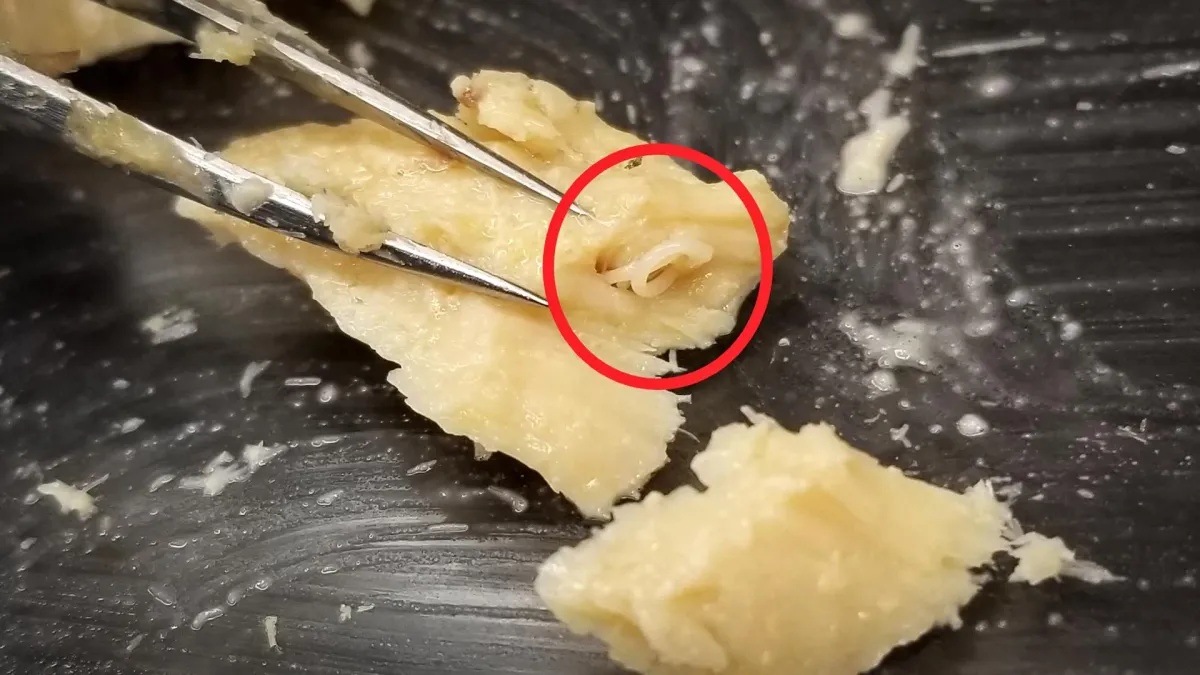
Start Your News DetoxThere, she found 178 cans of salmon, collected over 42 years from Alaska's Gulf and Bristol Bay. Inside, fillets from four different salmon species, preserved perfectly for quality control. Mastick and her team carefully dissected each fish, counting the anisakids. The canning process, thankfully, kills the worms, so no need to worry about the scientific snack. But their presence, or lack thereof, told a fascinating story.
The Unsung Heroes of Ecosystem Health
Chelsea Wood, a UW professor and co-author, explains that these so-called "sushi worms" are like tiny, unappetizing barometers for the ocean. If a host population, say, a particular type of marine mammal, is struggling, the worms can't complete their life cycle, and their numbers drop. So, a rise in anisakids suggests a stable, perhaps even recovering, ecosystem with plenty of suitable hosts.
And that's exactly what they found. Published in Ecology & Evolution, the study revealed that anisakid levels in chum and pink salmon increased significantly between 1979 and 2021. Coho and sockeye salmon, for reasons still being investigated, held steady. But for the others? More worms, more life.
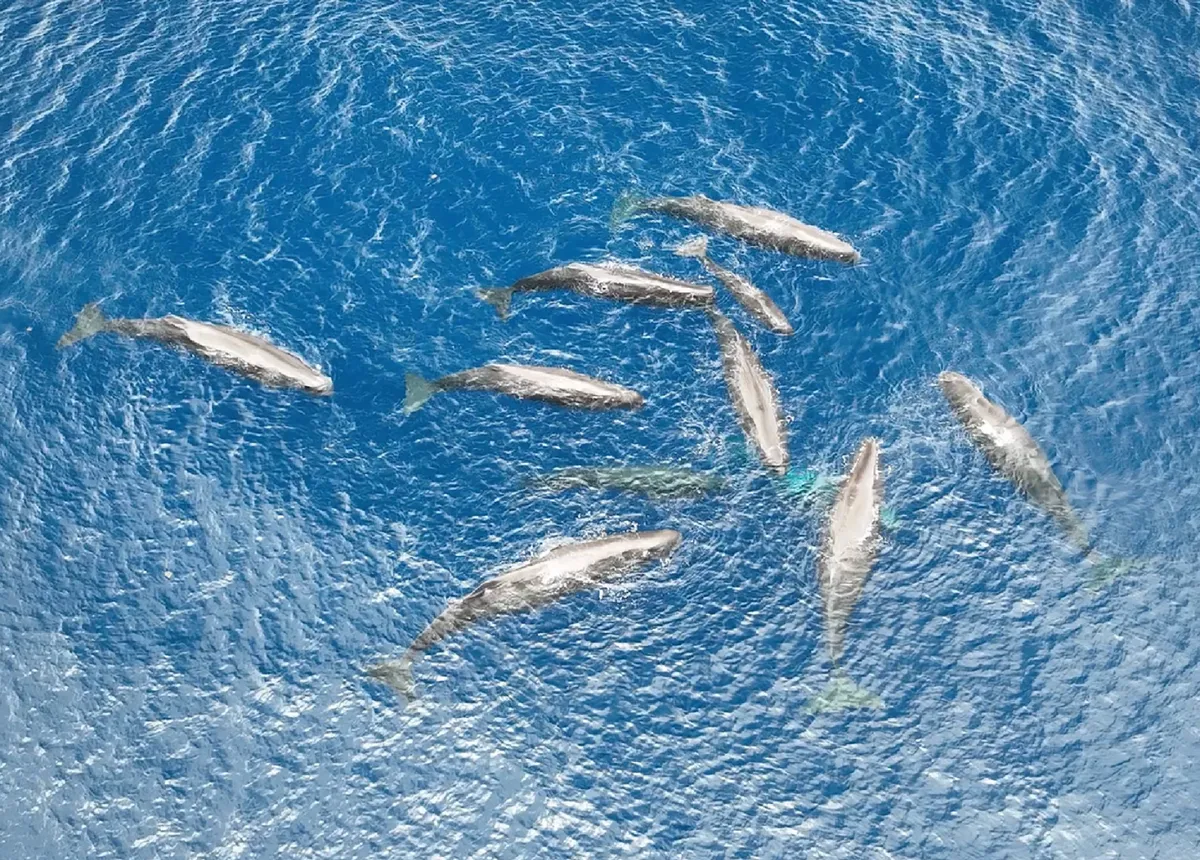
One major theory for the increase? The Marine Mammal Protection Act of 1972. That act helped populations of seals, sea lions, and orcas bounce back. More marine mammals mean more opportunities for anisakids to reproduce, which then means more worms in the salmon that feed on smaller creatures carrying those worms. It’s a beautifully gross, interconnected web.
So, the next time you open a can of salmon (or, you know, just think about it), consider that what might look like a culinary faux pas could actually be a quiet triumph for the ocean. Who knew parasites could be such good news? And yes, for the record, properly cooked fish with dead worms is safe. Eating them alive, however, can cause anisakiasis, which is exactly as unpleasant as it sounds. Stick to the canned stuff for your scientific insights.