The deep ocean is a vast, mostly unread library, with a whopping 80 to 90 percent of its pages still un-turned. But a project aptly named "One Thousand Reasons" is trying to change that, aiming to slap a name on 1,000 unknown deep-sea species by 2030. Because apparently, the more you know, the better you can protect things, especially when deep-sea mining is on the horizon.
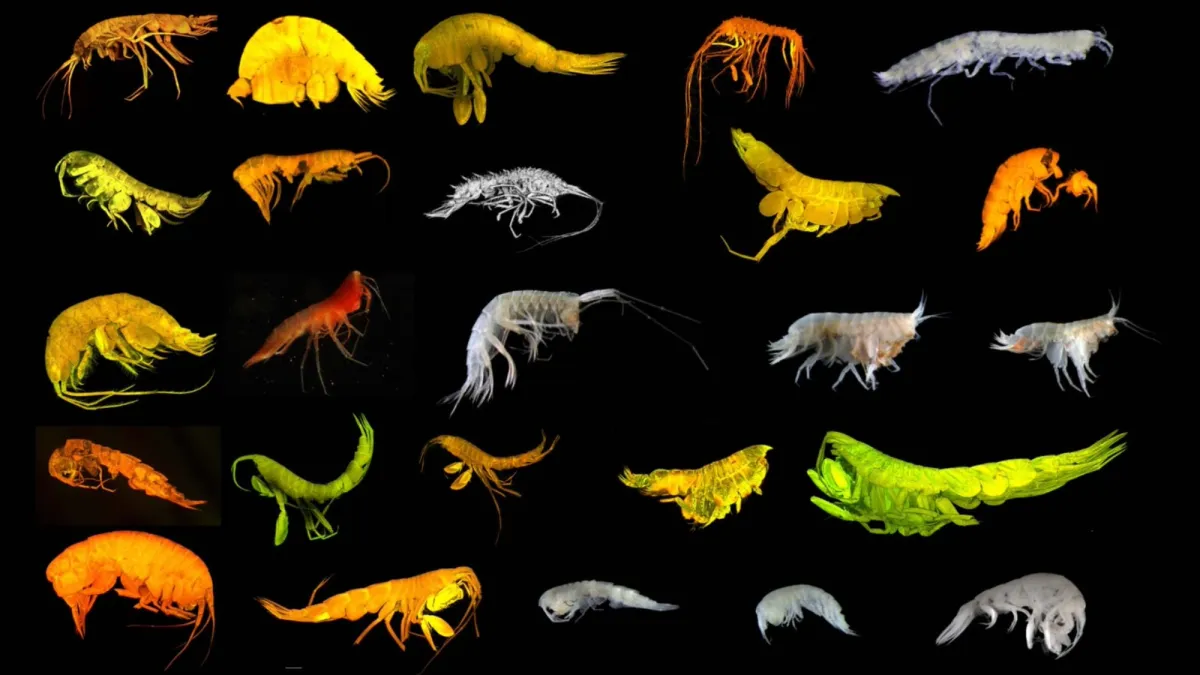
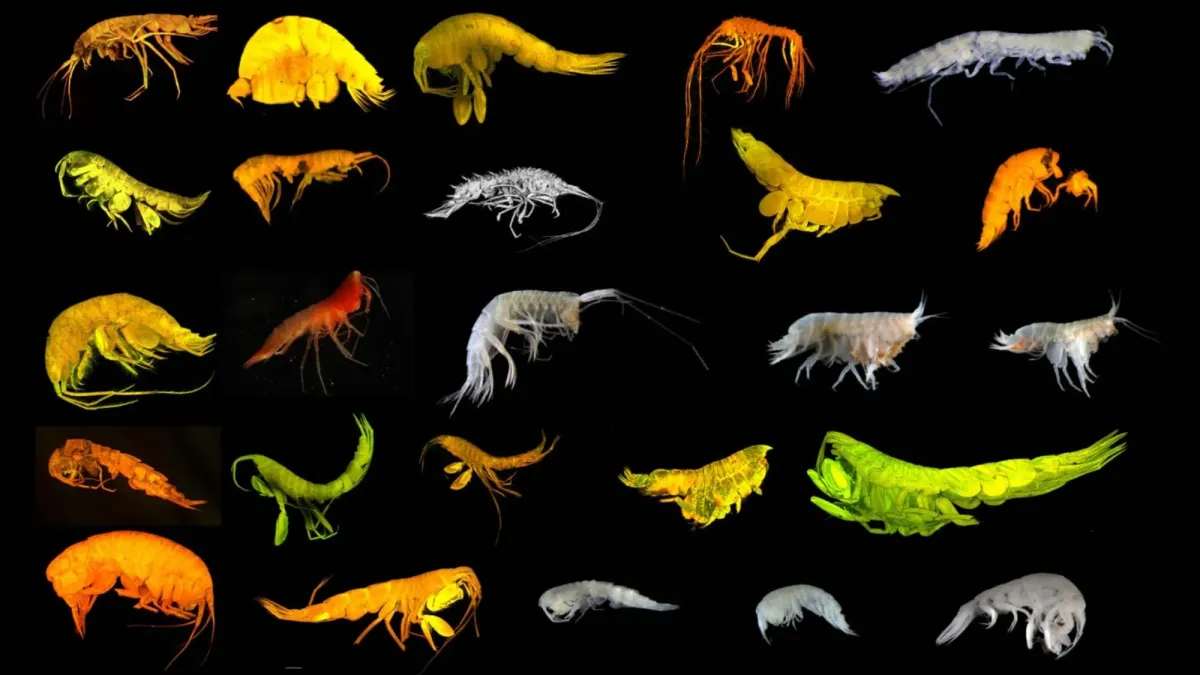
Recently, 24 new species of deep-sea crustaceans got their official introductions. They were all plucked from the Clarion-Clipperton Zone (CCZ), a sprawling 1.7-million-square-mile expanse between Mexico and Hawaii. Think of it as a biological goldmine, teeming with both undiscovered life and minerals that future tech will likely demand. The details of these peculiar finds just dropped in a special edition of Zookeys.
The Amphipod Parade
These fresh faces are amphipods, a wildly diverse group of crustaceans with over 10,000 known species already on the books. Some are tiny, barely a blink long, while others, like Alicella gigantea, can reach the size of a loaf of bread. They're the unsung heroes of marine ecosystems, serving as snacks for bigger critters and the clean-up crew for anything that kicks the bucket down below.
We're a new kind of news feed.
Regular news is designed to drain you. We're a non-profit built to restore you. Every story we publish is scored for impact, progress, and hope.
Start Your News DetoxAmphipods are basically everywhere: damp caves, woodlands, fresh, and saltwater. Some are the ocean's equivalent of a lint roller, like whale lice, tidying up marine mammals. Others are tiny predators or scavengers, ensuring no nutrient goes to waste.
Researchers found these new ones by taking "box samples" from the seafloor – essentially scooping up a big cube of mud and sifting through it on a ship. After a good wash, they found a collection of pale, otherworldly amphipods.
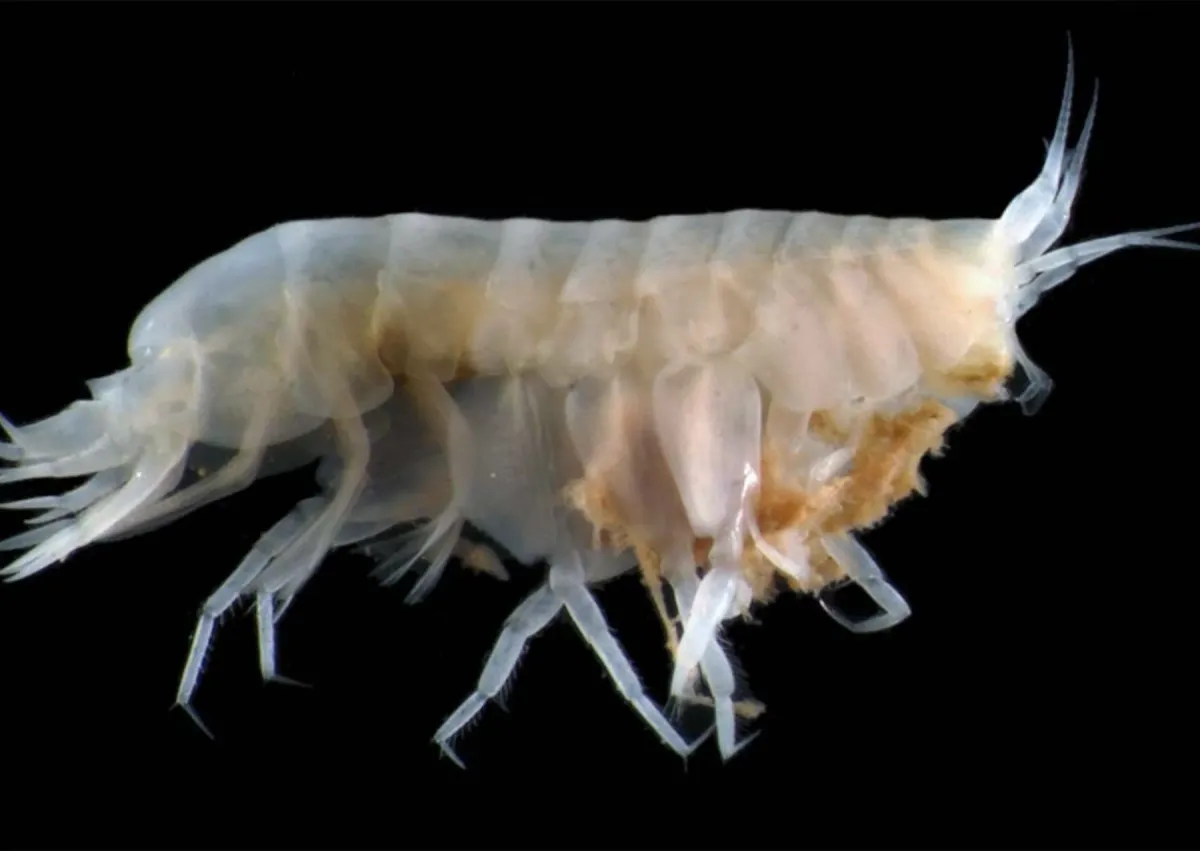
Dr. Eva Stewart, a deep-sea scientist from the Natural History Museum in London, noted their varied diets. Some are mud-munchers, while others sport claws that suggest they're more into hunting their neighbors in the sediment.
A Name for Every Oddity
Scientists spent a week playing the ultimate game of "name that creature." The names range from the sentimental to the hilariously literal. Mirabestia maisie and Astyra mclaughlinae pay homage to family and colleagues. Then there's Elimedon breviclunis, which, if you're curious, translates to "short butt." Because sometimes, you just gotta call it like you see it.
Pop culture even made an appearance. Lepidepecreum myla was named after a character from the video game "Hollow Knight." The team felt both the character and the amphipod were "little arthropods trying to survive in total darkness." Which, if you think about it, is both impressive and slightly terrifying.
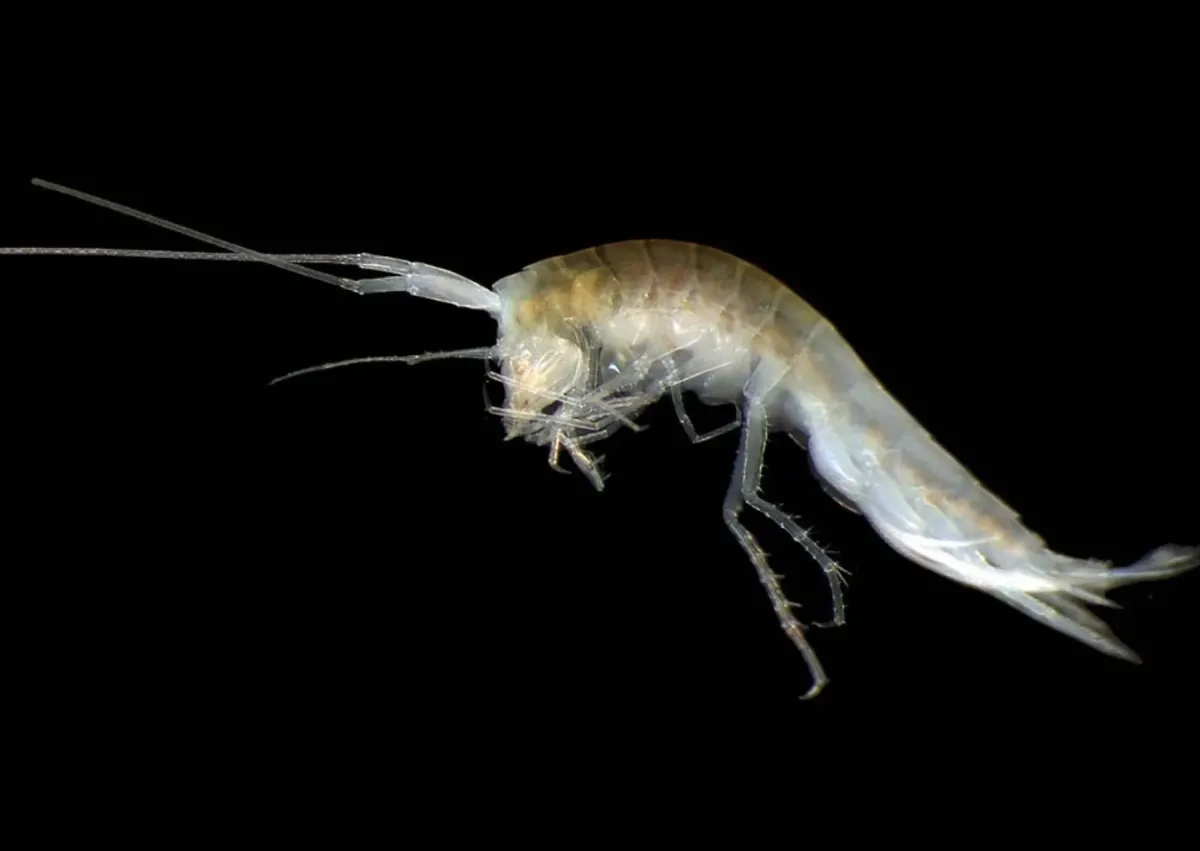
They didn't just find new species; they also stumbled upon a new family and even a new superfamily. For context, a superfamily is the classification level that groups humans and gibbons together. Dr. Tammy Horton, another co-author, called finding a new superfamily "very rare" and a moment you don't forget. Each species, she emphasized, is a crucial piece of the puzzle for understanding this bizarre ecosystem.
The Future of the CCZ
Studying these creatures will offer vital clues about how life thrives in one of Earth's most pristine places. The CCZ is suddenly a hot topic because its seafloor is littered with metallic nodules – basically, mineral-rich rocks used in everything from solar panels to wind turbines.
While deep-sea mining could fuel our green energy ambitions, the CCZ remains largely a mystery. Mining could inadvertently wipe out entire ecosystems we haven't even met yet.
Stewart estimates the CCZ could harbor around 5,600 species, with roughly 90 percent still waiting for their official introduction. Thousands more potential species are in specimen jars, awaiting their turn in the naming queue. These discoveries aren't just for bragging rights; they're critical for grasping the full, unsettling impact of deep-sea mining before it's too late.