Imagine trying to sunbathe in a closet. That's essentially the challenge for organisms relying on sunlight in deep, murky waters or under dense forest canopies. Higher-energy light, the kind most plants adore, gets gobbled up quickly, leaving only the weak, often-ignored far-red light.
Most photosynthetic life shrugs at this dim, reddish glow. But not Trachydiscus minutus, a freshwater alga that apparently didn't get the memo about what's possible. Scientists at Osaka Metropolitan University just figured out its secret: it rearranges common chlorophyll a molecules into a super-efficient, far-red-light-gobbling machine.
Chlorophyll a on its own is basically useless for far-red light. It's like trying to catch a fly ball with a colander. So, how does this alga pull off its photosynthetic magic trick?
We're a new kind of news feed.
Regular news is designed to drain you. We're a non-profit built to restore you. Every story we publish is scored for impact, progress, and hope.
Start Your News DetoxThe Alga's Clever Trick
Researchers zoomed in on Trachydiscus minutus because it pumps out a ton of a special light-harvesting protein when light gets scarce. This protein, called a red-shifted violaxanthin–chlorophyll protein (rVCP), is the key.
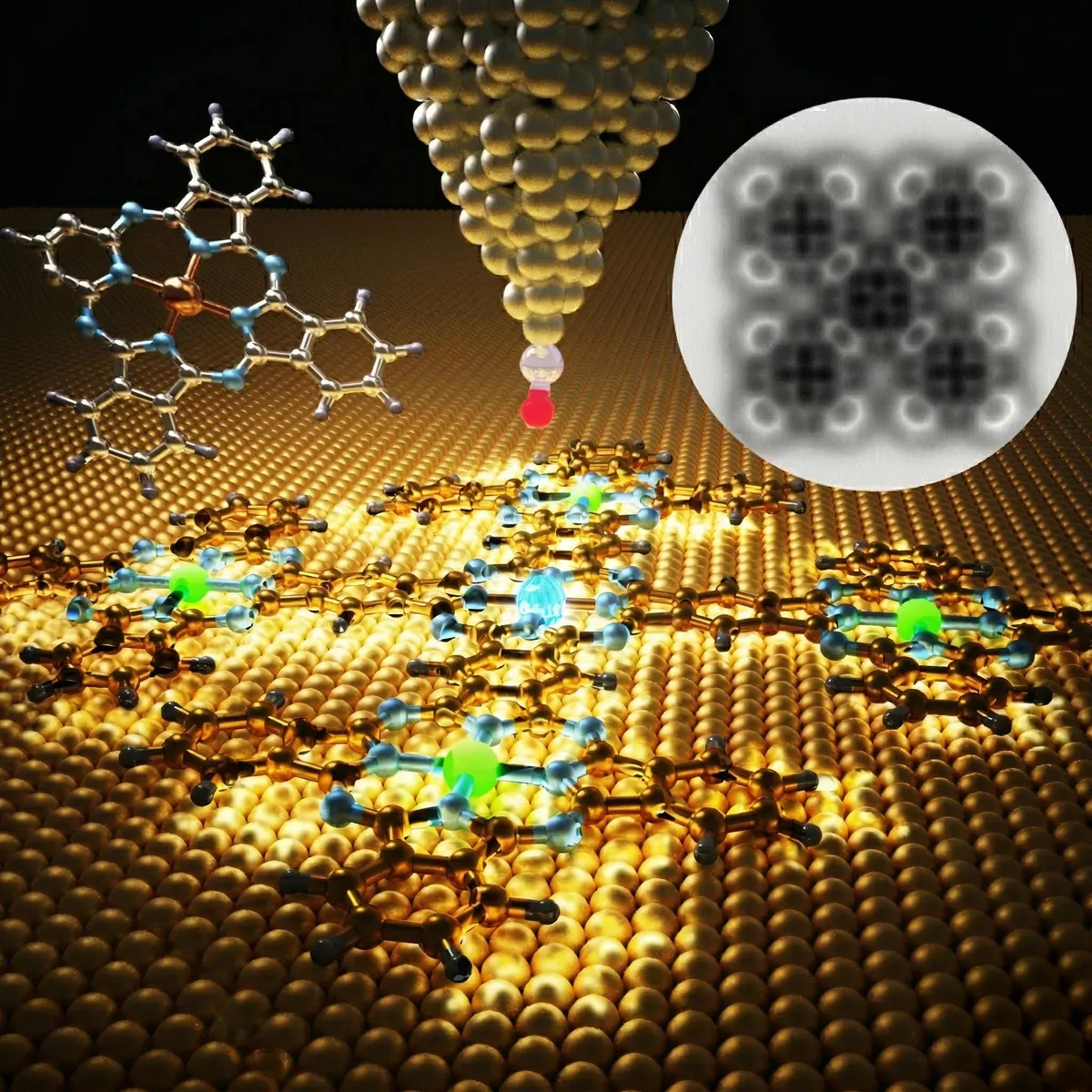
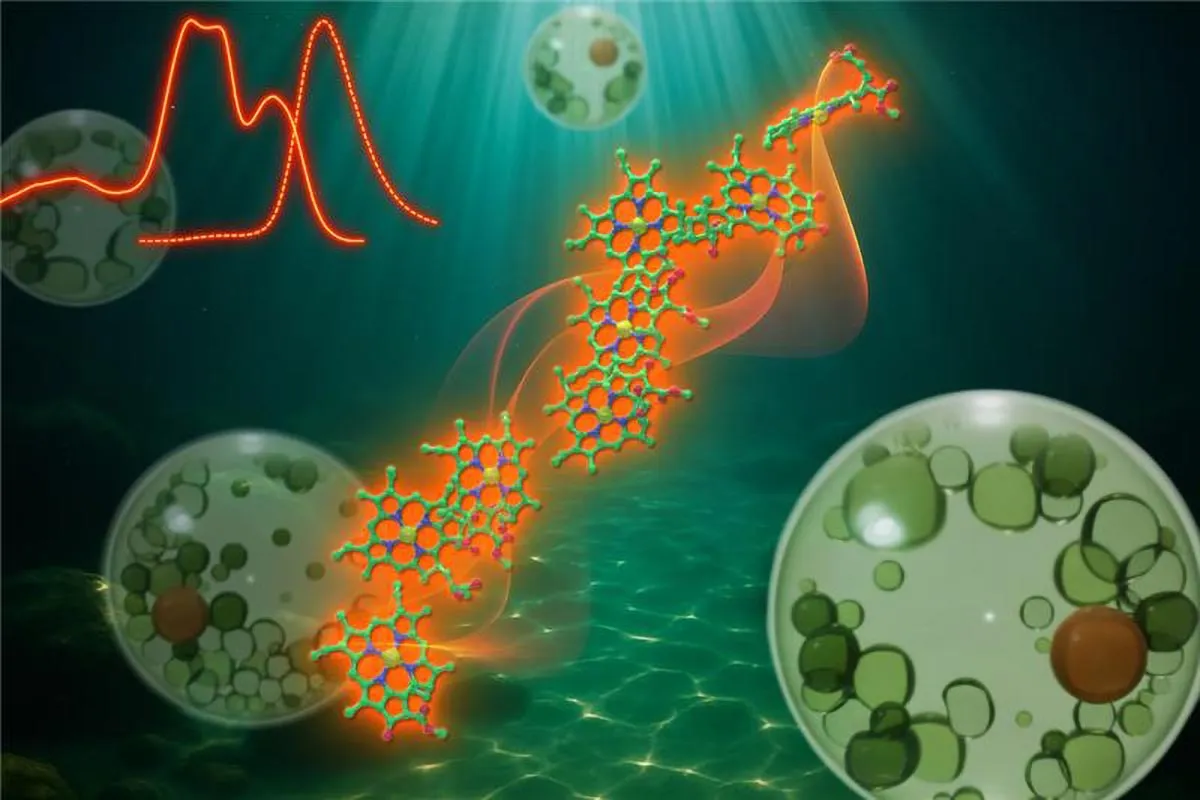
Using cryo-electron microscopy (which is basically a super-powered microscope for tiny, frozen things), the team saw that the rVCP forms a unique tetramer – a cluster of four parts. This specific arrangement shoves chlorophyll a molecules incredibly close together, creating unusually large pigment clusters.
Think of it like a crowd of people. Normally, they're just individuals. But if you pack them into a mosh pit, their collective energy can do something entirely different. In this case, it allows the chlorophyll a molecules to share energy across the cluster, letting them absorb far-red light they'd normally ignore.
This isn't about changing the pigment itself, but rather how the protein holds those identical pigments. It’s a structural hack that completely rewrites the rules for light absorption.
Big Implications for a Tiny Alga
Beyond just being a fascinating biological workaround, this discovery has some serious real-world potential. These eustigmatophytes (the group Trachydiscus minutus belongs to) are already excellent at storing oil, making them prime candidates for sustainable bioenergy. If we can grow them efficiently using dim, far-red light, we could cultivate them in places currently unsuitable for energy crops.
Plus, that unique tetramer structure could inspire new ways to design artificial proteins. Imagine engineering solar panels or bio-reactors that can capture a much broader spectrum of light, making them far more efficient. Because apparently, a tiny alga living in a pond just showed us how to do it.
The next step? Figuring out how this alga delivers that captured energy to its photosystem and, naturally, how to make it even better. Because if we can learn to thrive in the dark, the possibilities are, well, bright.