Scientists are proposing a new way to find alien life. Instead of looking for specific gases, they want to measure how complex molecules are. This method could help find life that is very different from what we know on Earth.
For decades, astronomers have searched for life by checking exoplanet atmospheres for gases like oxygen and methane. These gases are often linked to living things. However, this approach is based only on Earth's life. Also, non-biological chemistry can create these same gases, making it hard to be sure if life is present.
Assembly Theory: A New Way to Detect Life
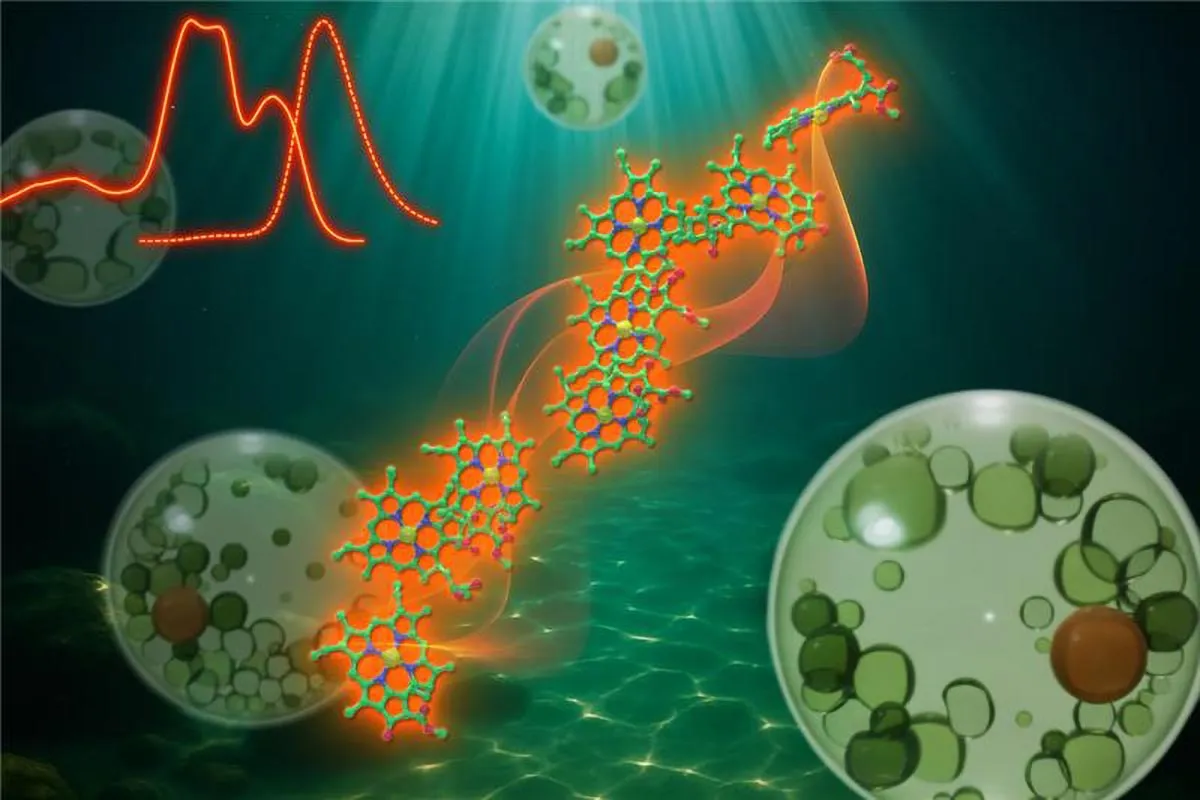
Sara Walker, an astrobiology professor at Arizona State University, and her team are developing a new method called assembly theory. This theory focuses on how difficult molecules are to build. Each molecule gets an "assembly index," which is the minimum number of steps needed to create it from simple parts.
We're a new kind of news feed.
Regular news is designed to drain you. We're a non-profit built to restore you. Every story we publish is scored for impact, progress, and hope.
Start Your News DetoxSimple molecules can form by chance. But very complex molecules, which need many steps, are unlikely to appear without some kind of selection process. If an atmosphere has many complex molecules that are hard to make randomly, and these molecules are chemically connected, it suggests something beyond normal chemistry is at work. This "something" is likely life, according to the theory.
This theory doesn't assume what alien life would be like. It doesn't need a specific type of metabolism or biochemistry. It simply points to where life might exist.
Earth's Atmosphere Shows High Complexity
When comparing Earth's atmosphere to Venus, Mars, and other planets, Earth's atmosphere shows the most complexity using this new measure. Earth and Venus have similar types of chemical bonds available. Yet, Earth's atmosphere has much more molecular diversity. This suggests Earth's biosphere is exploring many more chemical possibilities than Venus.
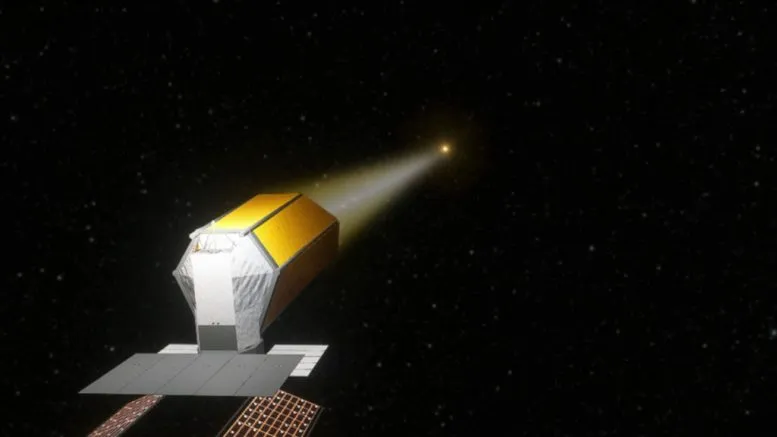
This new framework is being developed for NASA's Habitable Worlds Observatory. This telescope will directly image Earth-like planets and look for signs of life. Instead of a simple "alive or dead" answer, assembly theory would give a continuous complexity score. This score would place planets on a spectrum from non-living to rich with life, showing a gradual transition.
The theory is also directly measurable. Assembly values can be found using infrared spectroscopy, a technique space telescopes already use to study distant atmospheres. The universe has had billions of years to create different chemistries. Assuming life only formed one way seems too focused on Earth.
Deep Dive & References
Searching for Life-As-We-Don’t-Know-It: Mission-relevant Application of Assembly Theory for Exoplanet Life Detection - arXiv, 2026