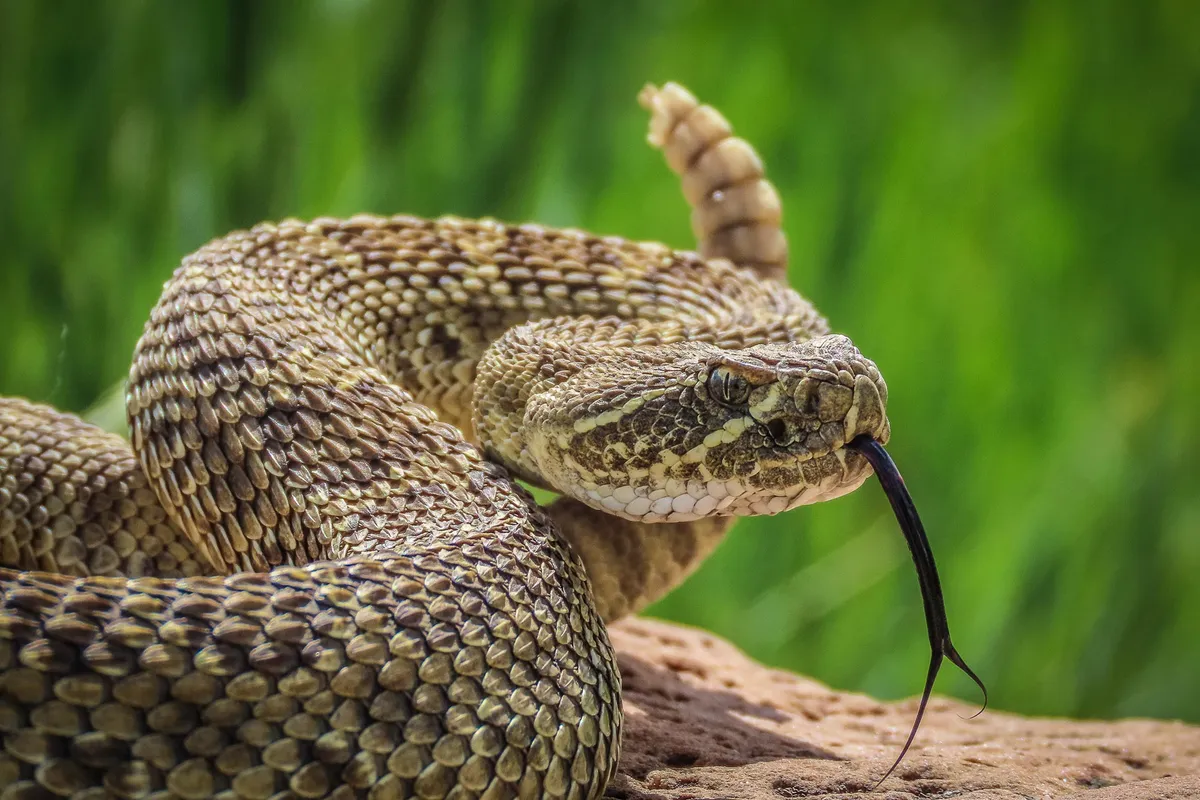
For decades, hikers, doctors, and probably your aunt who once saw a nature documentary, have clung to a terrifying belief: baby rattlesnakes are more dangerous than adults. The logic? They're too young to control their venom, so they just dump the whole load into you. A veritable tiny, wriggling, venomous shotgun.
Well, good news, everyone: that's a myth. A new study from Loma Linda University has officially debunked this long-held, widely believed, and frankly, pretty dramatic piece of snake lore.
Lead researcher William Hayes, a biology professor, explained the obvious truth: adult rattlesnakes are bigger, produce more venom, and therefore, deliver far more severe bites. The idea that babies just go full-venom every time? Nope. Turns out, they're just tiny, less venomous versions of their parents.
We're a new kind of news feed.
Regular news is designed to drain you. We're a non-profit built to restore you. Every story we publish is scored for impact, progress, and hope.
Start Your News DetoxNow, before you go trying to pet one, Hayes is quick to clarify: any rattlesnake bite is a medical emergency requiring immediate antivenom. We're just talking about degrees of terrifying here. But the myth has had real consequences, leading to unnecessary fear, people harming snakes out of misguided terror, and even medical professionals mismanaging treatments.
The Origin Story of a Bad Idea
So, how did this slithery bit of misinformation gain such traction? The researchers, whose findings were published in the journal Toxins, traced the myth back to news stories from as early as 1967. It then got a significant boost from California media in the '70s and '90s, before spreading across North America in the early 2000s.
Interestingly, the study found that much of the inaccurate information came from misquoted or misinterpreted statements attributed to healthcare workers and emergency responders. University professors, on the other hand, tended to get it right. Because, you know, they study this stuff.
Even with more accurate reporting since 2015, the myth persists. A survey revealed that 53% of Southern California students, and a frankly alarming 73% of emergency responders and health professionals, still believed it. Let that sink in. The people who might be treating you are still operating under this false assumption.
Hayes hopes this new research will set the record straight, preventing undue panic among hikers and ensuring snakes aren't harmed out of ignorance. And, perhaps most crucially, stopping doctors from over-medicating patients due to the perceived threat of a tiny, albeit still dangerous, baby rattlesnake. Because apparently, that's where we are now.