A tiny claw found in a 500-million-year-old fossil is changing what scientists know about how spiders evolved. This discovery pushes back the origin of spiders and their relatives by about 20 million years.
The Oldest Chelicerate Ever Found
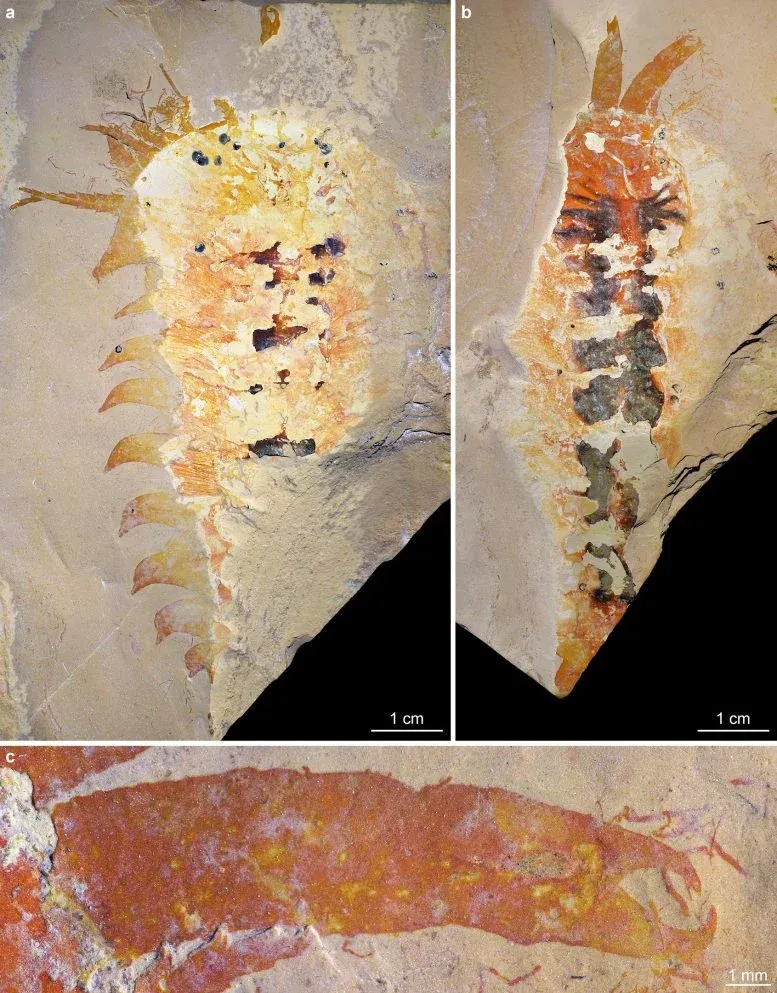
Rudy Lerosey-Aubril was cleaning a Cambrian arthropod fossil when he noticed something unusual. There was a claw where an antenna should have been. This was a big surprise because claws are never found in that spot on Cambrian arthropods.
Lerosey-Aubril quickly realized he had found the oldest chelicera. Chelicerae are pincer-like mouthparts that define a group of animals called chelicerates. This group includes spiders, scorpions, horseshoe crabs, and sea spiders.
We're a new kind of news feed.
Regular news is designed to drain you. We're a non-profit built to restore you. Every story we publish is scored for impact, progress, and hope.
Start Your News DetoxIn a study published in Nature, Lerosey-Aubril and Javier Ortega-Hernández described the new fossil. They named it Megachelicerax cousteaui. This ancient sea predator lived about 500 million years ago in what is now Utah.
The fossil shows that the basic body plan for spiders and horseshoe crabs was already forming half a billion years ago.
A Detailed Look at the Ancient Predator
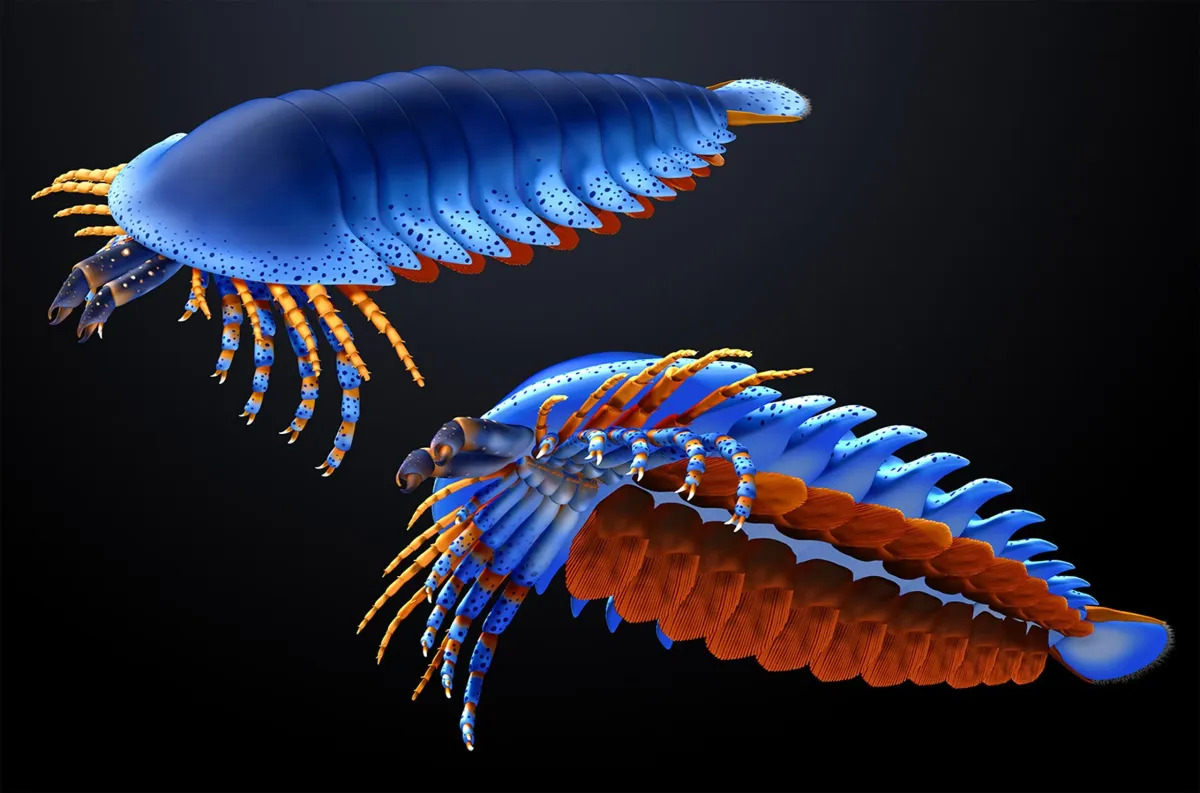
Lerosey-Aubril spent over 50 hours carefully cleaning the fossil under a microscope. The animal was just over eight centimeters long. It had a head shield and nine body segments. Different parts of its body had different types of limbs.
The head shield had six pairs of limbs used for feeding and sensing. The underside of its body had plate-like structures for breathing, similar to the book gills of modern horseshoe crabs.
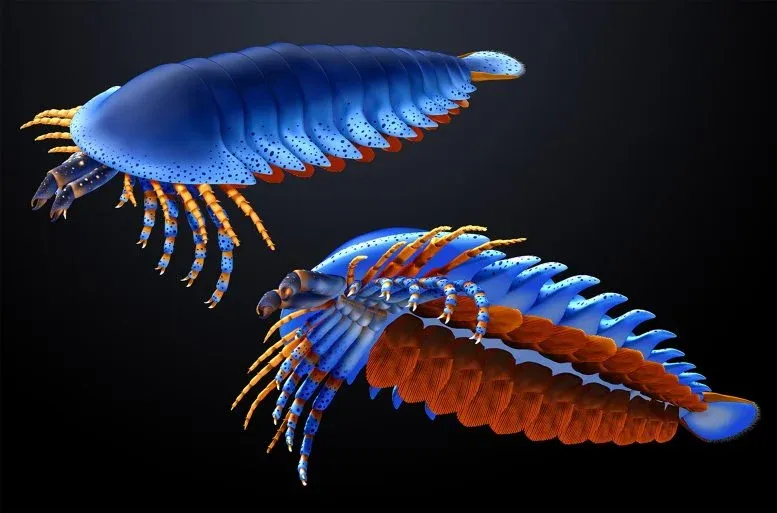
The most important feature was its clear chelicera. These pincer-like tools are what make chelicerates unique. Insects have antennae, but chelicerates have grasping tools, which are often venomous. Before this discovery, scientists had never found a clear chelicera from the Cambrian period.
Filling a Gap in Evolution
Before M. cousteaui, the oldest known chelicerates were about 480 million years old. This new fossil pushes their origin back by 20 million years. It acts as a link between earlier Cambrian arthropods and later horseshoe crab-like species.
Ortega-Hernández explained that Megachelicerax shows how chelicerae and the division of the body into two specialized regions evolved. This happened before the head limbs lost their outer branches and became like spider legs today. This discovery helps bring together different ideas about chelicerate evolution.
The fossil shows an important stage in how the chelicerate body plan developed. It suggests that key features were already present shortly after the Cambrian Explosion. This was a time of very fast evolutionary change.
Early Complexity, Later Success
Even with its advanced features, chelicerates did not immediately become common. For millions of years, they were rare. Other groups like trilobites were more dominant. Chelicerates only diversified and moved onto land much later.
Lerosey-Aubril noted that this pattern is seen in other animal groups. It shows that evolutionary success depends not just on new biological features, but also on timing and the environment.
From Utah to a Scientific Breakthrough
The fossil was found in Utah's House Range. An amateur fossil collector, Lloyd Gunther, discovered it and donated it to the Kansas University Biodiversity Institute and Natural History Museum in 1981. For decades, it was just one of many specimens until Lerosey-Aubril decided to study it.
The species name, Megachelicerax cousteaui, honors French explorer Jacques-Yves Cousteau. Lerosey-Aubril and Ortega-Hernández chose the name to recognize Cousteau's work in inspiring people to appreciate ocean life.
Today, chelicerates include over 120,000 species. They live in many different environments on land and in water. This fossil discovery gives new insights into their ancient origins.
The researchers also highlighted the importance of museum collections. These collections preserve fossils for decades, allowing new discoveries to be made when scientists look at them with fresh eyes.
Deep Dive & References
A chelicera-bearing arthropod reveals the Cambrian origin of chelicerates - Nature, 2026