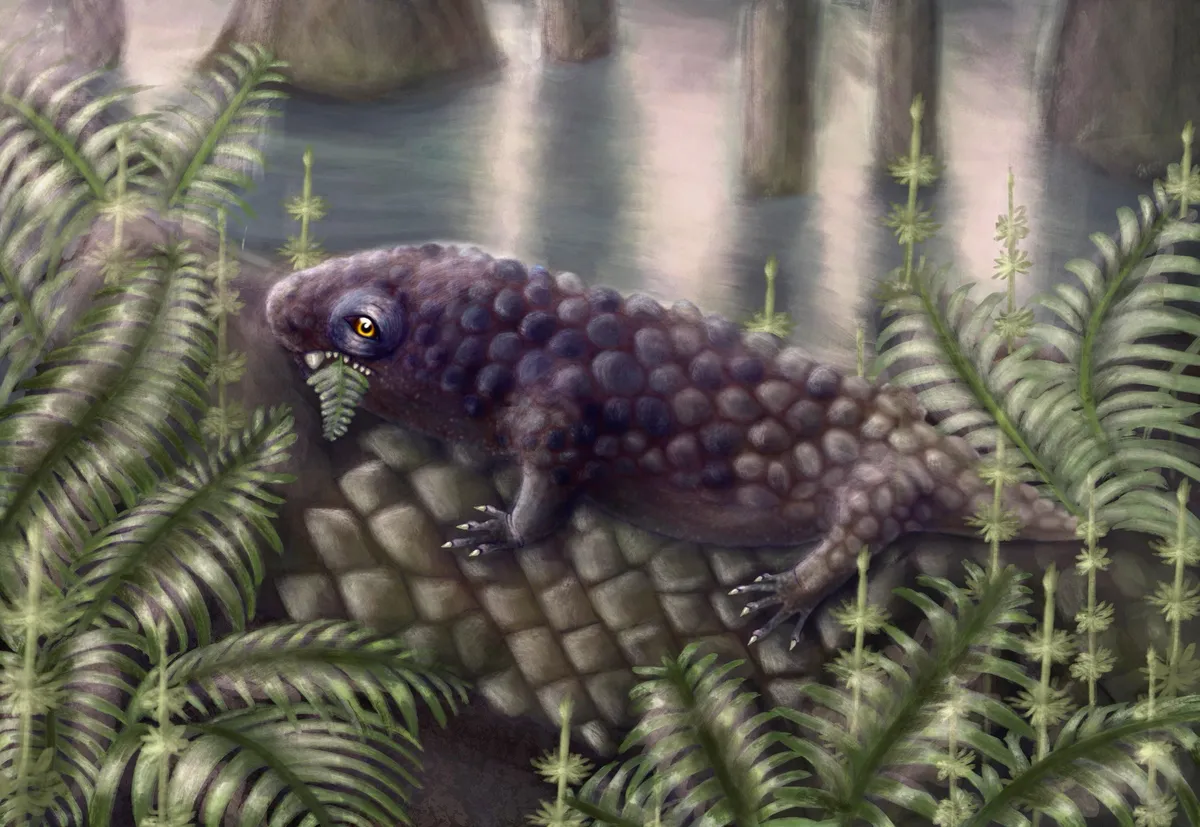
For tens of millions of years after vertebrates crawled onto land, they were strict carnivores. Then, about 307 million years ago, something shifted. A newly analyzed fossil skull from Nova Scotia suggests that early land animals began experimenting with plants far earlier than scientists thought—and the discovery came from inside a fossilized tree stump, hidden in a mouth that had been shut for 300 million years.
The animal, named Tyrannoroter heberti (Hebert's tyrant digger, after its discoverer), was small—about a foot long—and four-legged. But its teeth told a different story. When researchers used CT scans to peer inside the sealed skull, they found something unexpected: an entire second set of teeth packed into the roof of the mouth, specialized for crushing and grinding. These weren't the teeth of a pure meat-eater.
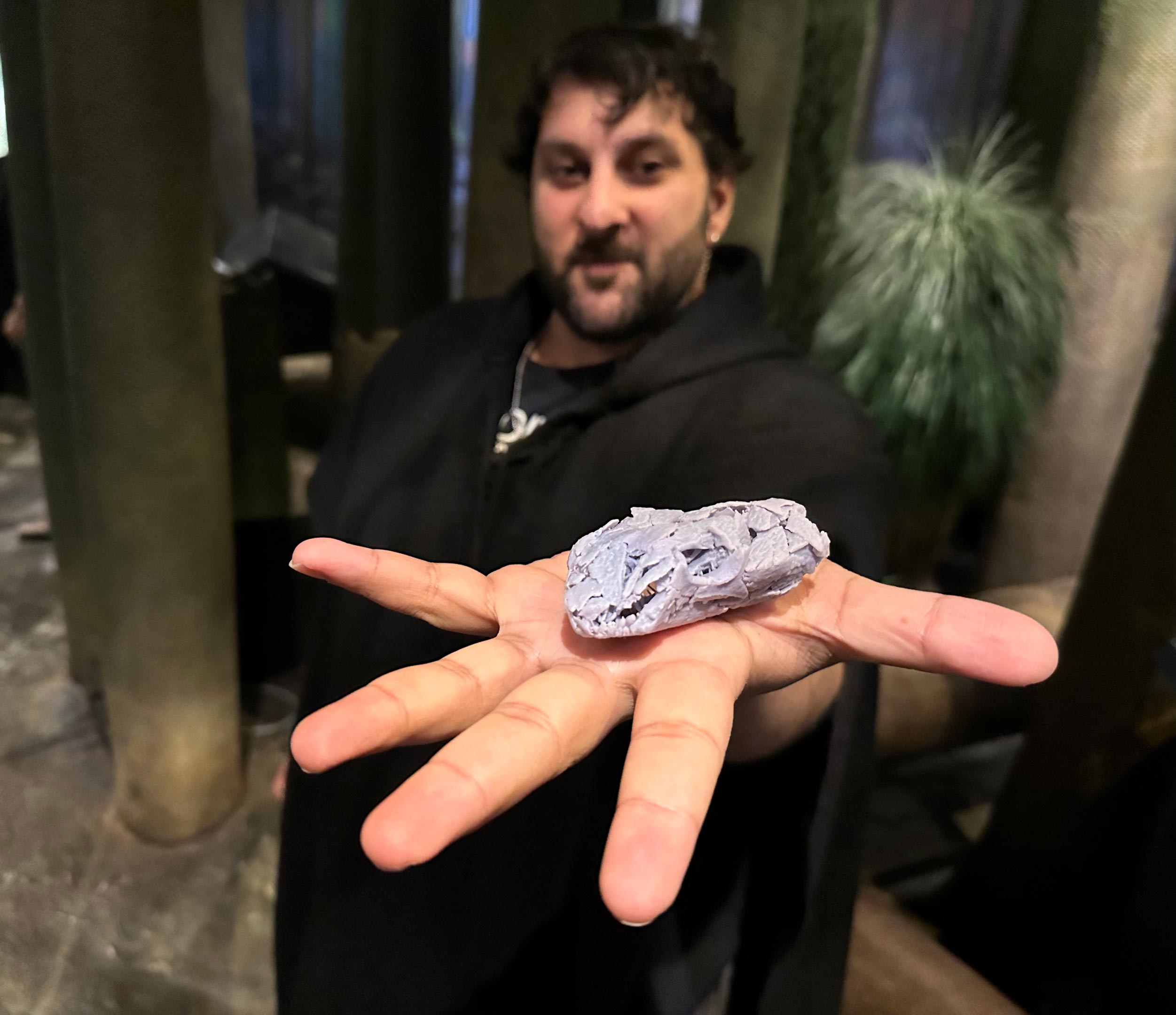
"We were most excited to see what was hidden inside the mouth of this animal once it was scanned—a mouth jam-packed with a whole additional set of teeth for crushing and grinding food, like plants," says Hillary Maddin, the study's senior author, in the paper published today in Nature Ecology and Evolution.
We're a new kind of news feed.
Regular news is designed to drain you. We're a non-profit built to restore you. Every story we publish is scored for impact, progress, and hope.
Start Your News DetoxThe teeth that rewrote the timeline
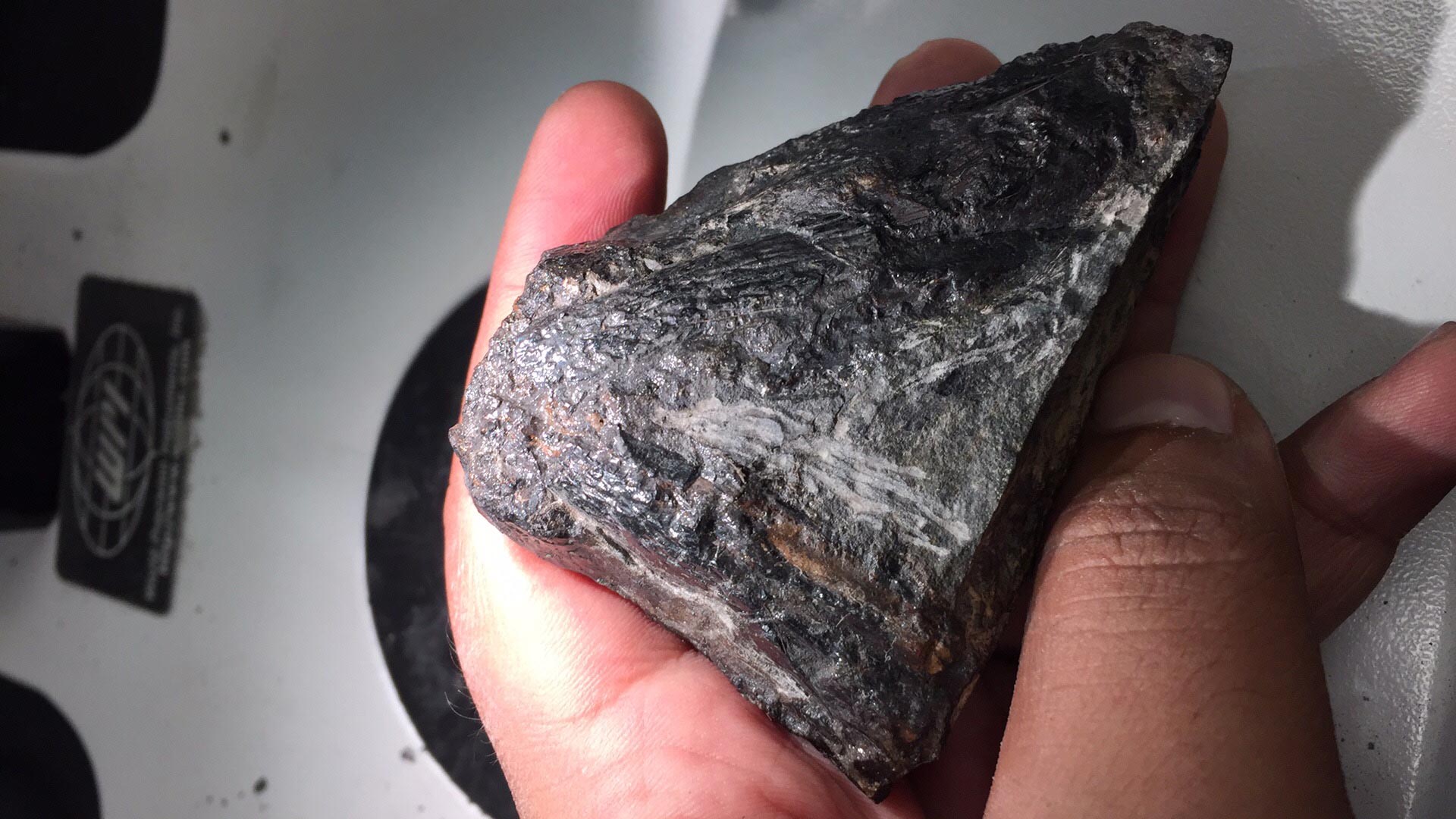
The fossil was found on Cape Breton Island in Nova Scotia, where paleontologists work under constant pressure—literally. The region has the world's highest tides, forcing researchers to race against the incoming ocean while excavating from cliffs that could collapse at any moment. It was avocational paleontologist Brian Hebert who spotted the skull embedded inside a fossilized tree stump during a field season led by Carleton University's Hillary Maddin.
Extracting the skull was only the beginning. Because the mouth had fossilized shut, the researchers couldn't simply look inside. Instead, they turned to CT scanning, combining hundreds of X-ray images to create a three-dimensional model that revealed the skull's hidden architecture. What emerged was a clear picture of an animal equipped for a mixed diet.
Tyrannoroter likely wasn't a strict herbivore. It probably hunted insects and small animals alongside eating plants. But that flexibility may have been the whole point. Crushing insect exoskeletons could have primed these early tetrapods to handle tougher plant material. Eating plant-eating insects may have also introduced the gut microbes necessary to digest vegetation. Herbivory, researchers note, is less a switch that flips and more a gradient that shifts over time.
The discovery pushes back the timeline for when vertebrates began exploring plant-based diets. Tyrannoroter belongs to the stem amniotes—the lineage that would eventually give rise to reptiles and the early ancestors of mammals. This suggests that the move toward herbivory happened earlier and more gradually than previously thought, woven into the fabric of how these animals adapted to life on dry land.
A climate lesson from 307 million years ago
The timing of Tyrannoroter's existence adds another layer of interest. It lived near the end of the Carboniferous Period, a time marked by dramatic climate shifts—specifically, the transition from an icehouse climate to a greenhouse climate. Rainforest ecosystems collapsed. Global temperatures rose. And Tyrannoroter's entire lineage struggled.
That historical pattern resonates today. The fossil offers a glimpse into what happens to plant-eating animals when climate change rapidly reshapes the ecosystems and vegetation they depend on. It's a data point from deep time, but one that speaks to a very modern question: how do herbivores fare when the world changes faster than they can adapt.
The discovery reminds us that evolution isn't a story of sudden breakthroughs. It's a story of small experiments—a creature eating a few more insects, a few more plants, gradually building the capacity to digest something new. And sometimes, those experiments are tied to the stability of the world around them.