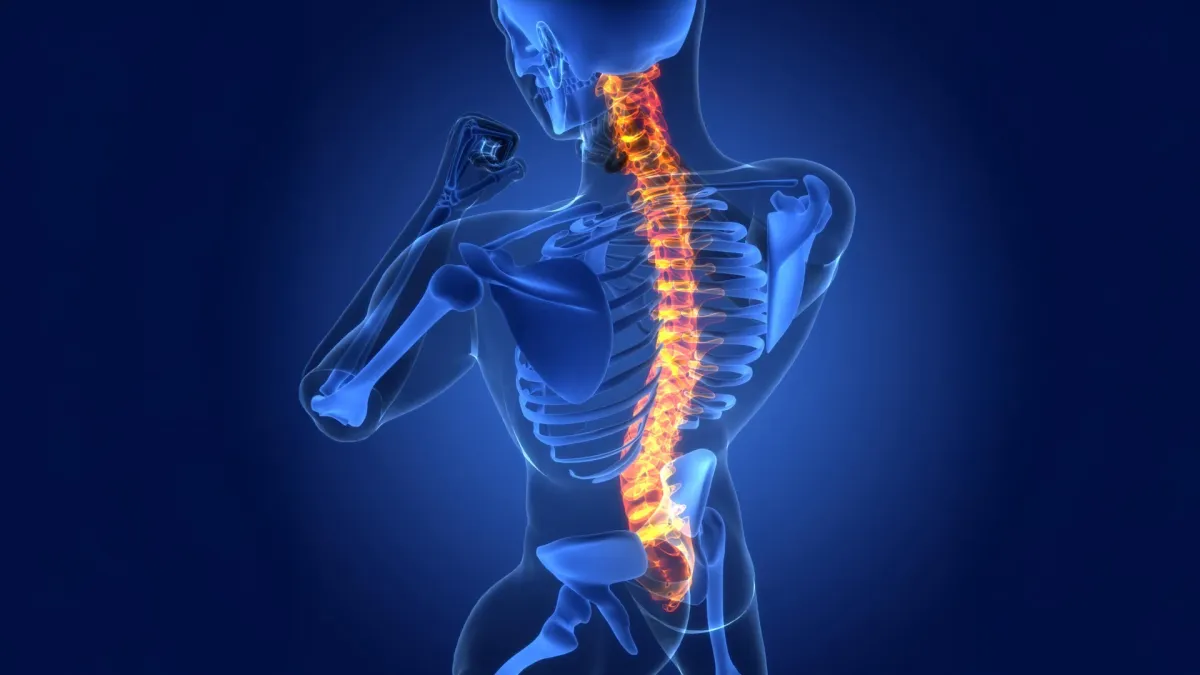
Harvard researchers have figured out how to grow corticospinal neurons — the brain cells that die in ALS patients and get damaged in spinal cord injuries — by using what they're calling a molecular "cocktail" to reprogram existing cells in the brain.
The discovery, published in eLife, matters because these neurons control voluntary movement. In ALS (Lou Gehrig's disease), they degenerate for reasons scientists still don't fully understand, eventually leaving patients paralyzed. About 30,000 Americans live with ALS. Spinal cord injuries damage these same neurons when the long axons connecting brain to spine get crushed — affecting roughly 300,000 Americans.
Until now, there was no reliable way to grow these specific neurons in a lab, which meant researchers couldn't properly study them or test potential treatments.
We're a new kind of news feed.
Regular news is designed to drain you. We're a non-profit built to restore you. Every story we publish is scored for impact, progress, and hope.
Start Your News DetoxHow the Recipe Works
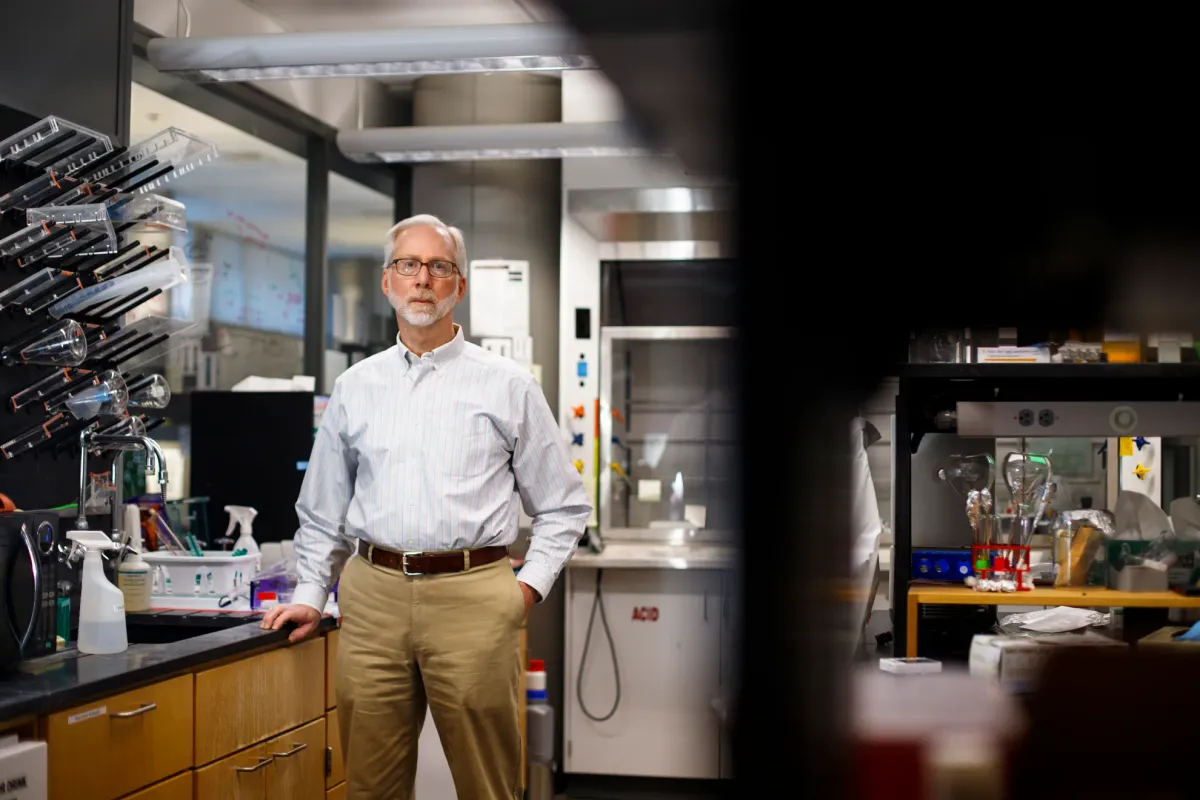
The team, led by Jeffrey Macklis at Harvard's Department of Stem Cell and Regenerative Biology, worked with a type of cell called NG2 progenitors that already exist throughout the brain. Think of progenitor cells as partially trained workers — they're further along the path to becoming a specific cell type than embryonic stem cells, which means they need fewer instructions to transform.
The researchers introduced a specific set of molecular signals designed to mimic what happens during fetal brain development. They essentially asked these dormant cells: "Remember how to become a neuron?" And the cells answered yes. The resulting neurons had all the right physical characteristics, expressed the correct genes, and sent out the long axon structure that makes them functional.
"Unlike anything that people have published before," Macklis said, describing the neurons that emerged. A commentary in the same journal called the approach a "perfect recipe."
Here's what makes this particularly promising: these progenitor cells are already sitting in the brain, waiting. There's no need to introduce foreign cells or build everything from scratch. The researchers essentially woke up capacity that was already there.
What Comes Next
Right now, this works in a dish. The team tested it in laboratory conditions with isolated cells, not in living brains. The next phase involves moving these techniques into animal models — mice, probably within a few years — to see if the approach works in an actual brain environment.
Co-lead researcher Hari Padmanabhan emphasized this is a first-generation approach. "This is by no means the most fully optimized cocktail," he said. The team already sees room to adjust the molecular composition, timing, and dosing to make it work even better.
Macklis's longer-term vision goes beyond transplanting lab-grown neurons. His real goal is to activate neuron regeneration directly inside a damaged brain — essentially telling the brain's own cells to repair the circuits that ALS or injury has broken. That's years away, but the cocktail recipe just proved the cells can be convinced to become what we need them to be.