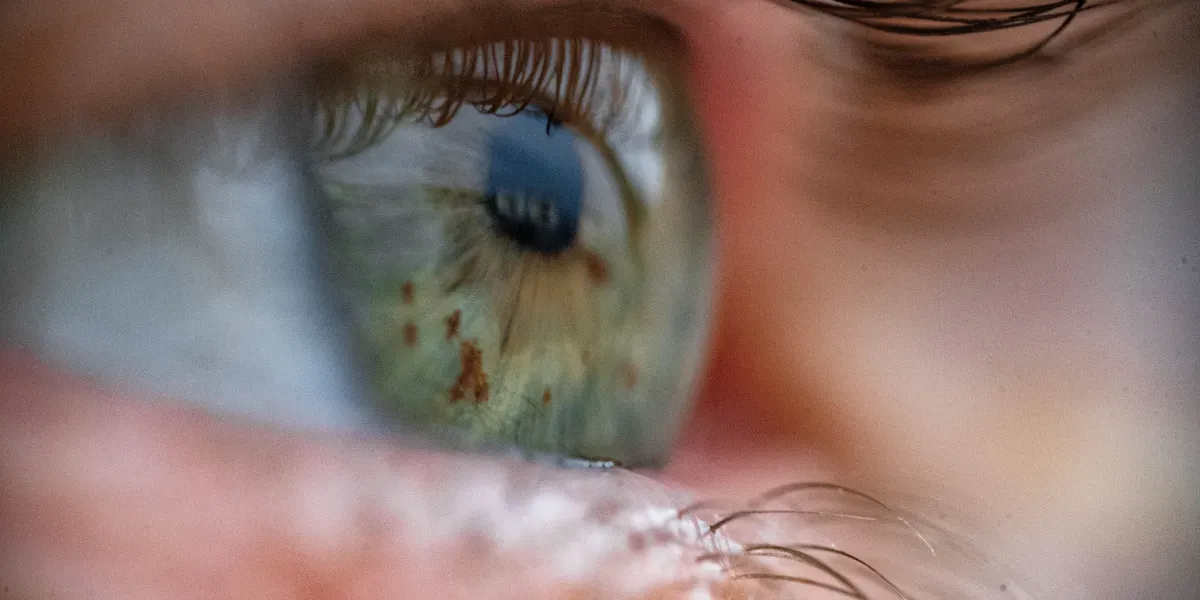
Full human eye transplants have long been the stuff of sci-fi novels and medical impossibilities. Turns out, eyes are remarkably uncooperative once they’ve exited the body, quickly devolving into, well, unusable tissue. Which makes sense, but also, what a buzzkill for anyone hoping to restore full sight.
But now, researchers have cooked up a device that basically puts removed eyeballs into a luxurious spa retreat, keeping them alive and surprisingly healthy. It’s called the Eye-in-a-Care-Box, or ECaBox, and it’s doing exactly what it says on the tin.
The Spa Day for Detached Eyeballs
Developed by Pia Cosma and her team at the Barcelona Institute of Science and Technology, the ECaBox works by pumping oxygen-rich fluid through the eye’s main artery. Think of it as a tiny, highly specialized life support system, complete with a controlled temperature, pressure, and even a clear window so scientists can peek in. Because, apparently, even dead eyes deserve a bit of privacy.
We're a new kind of news feed.
Regular news is designed to drain you. We're a non-profit built to restore you. Every story we publish is scored for impact, progress, and hope.
Start Your News DetoxThey started with pig eyes (a common stand-in for human ones, for obvious reasons). Unsurprisingly, pig eyes left to their own devices at room temp quickly became… less than ideal. Even chilling them to a brisk 39°F didn't do much. Twenty-four hours and they were toast.
Enter the ECaBox. After the same 24 hours, the pampered pig eyes were “significantly more viable.” Which, if you’re an eyeball, is basically winning the lottery.
Can a Dead Eye Still "See"?
Here’s where it gets truly wild: untreated pig eyes immediately lost their ability to respond to light. But give them a mere 15 minutes in the ECaBox, and poof, that ability returned. Some even stayed light-responsive for 10 hours or more, hinting that they might actually be able to see if transplanted. Let that sink in.
After their success with the porcine peepers, the team moved on to human eyes. They took 12 eyes from six deceased donors, giving one eye the ECaBox treatment and leaving the other to its own sad fate. The ECaBox-ed eyes showed better preservation, especially in their retinas – the part that actually does the seeing.
While whole-eye transplants are still incredibly tricky (a recent partial face and eye transplant in New York didn't restore sight to the transplanted eye), this device could be a monumental step. For now, it means scientists can study eye diseases and treatments without needing live animals. In the future, it might just mean a whole new lease on sight for humans.
The researchers are now planning a portable ECaBox. Because who wouldn't want a mobile eye-revival unit? It’s all part of the journey to make those once-impossible whole-eye transplants a reality. And to give eyeballs a second chance at life, apparently.