Somewhere between the endless scroll and the structured activity schedule, childhood has moved indoors. But a developmental paediatrician and a gardening enthusiast in India have found something quieter working: a patch of soil, a few seeds, and a child's natural instinct to dig.
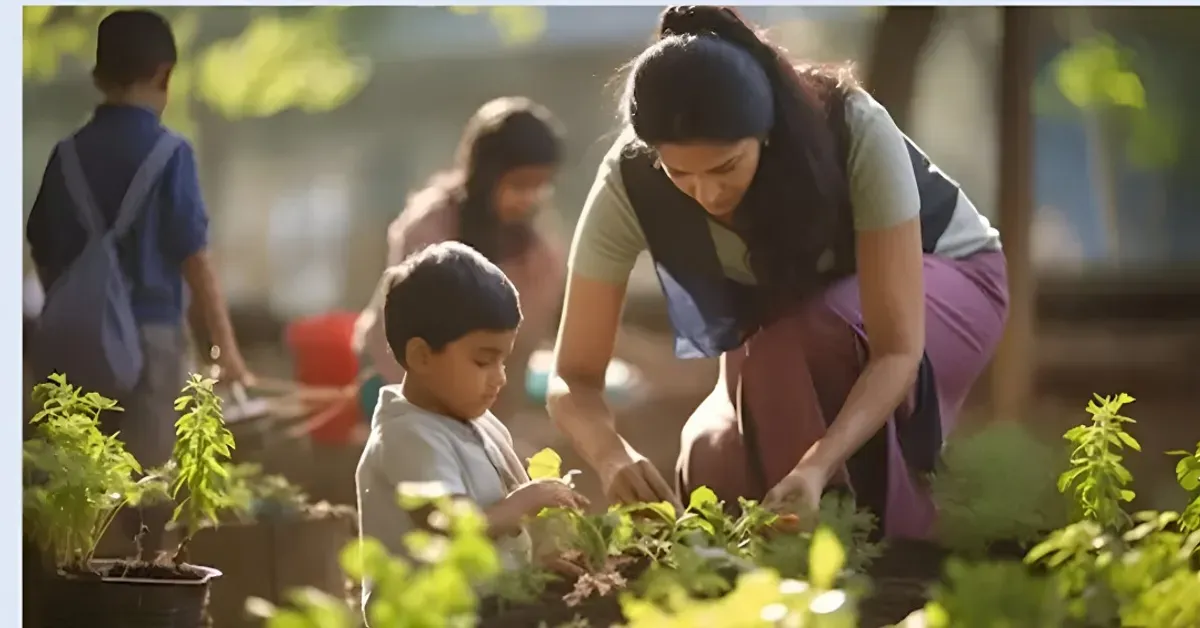
Dr Kaveri Subbiah, a developmental paediatrician at Vistara Child Development Centre in Chennai, puts it plainly: gardening does what screens cannot. "Where screens encourage passive engagement, gardening invites active participation." A child touching soil, pouring water, watching insects, feeling sun warmth — these aren't just pleasant moments. They're sensory experiences that build language skills as kids talk through what they're observing with a parent or caregiver.
Asmita Purohit, a sustainability expert and gardener in Dombivli, Maharashtra, watches this play out in her own backyard with her daughter. "Kids are often fascinated by finding worms, bugs, snails, bees, butterflies," she says. "The garden becomes an exciting habitat to explore." That sense of discovery — not instruction — is what makes gardening feel joyful rather than like homework.
We're a new kind of news feed.
Regular news is designed to drain you. We're a non-profit built to restore you. Every story we publish is scored for impact, progress, and hope.
Start Your News DetoxStarting before understanding
Most parents wait until children are old enough to "get it." Dr Kaveri disagrees. Children as young as 18 months can be present while adults work with plants. They'll absorb it through touch and observation long before they understand photosynthesis.
As they grow, something shifts. "They start enjoying what they grow, and in a sense, they become the 'parent of that plant'," Dr Kaveri explains. This ownership — the responsibility of keeping something alive — teaches accountability in a way no lecture can.
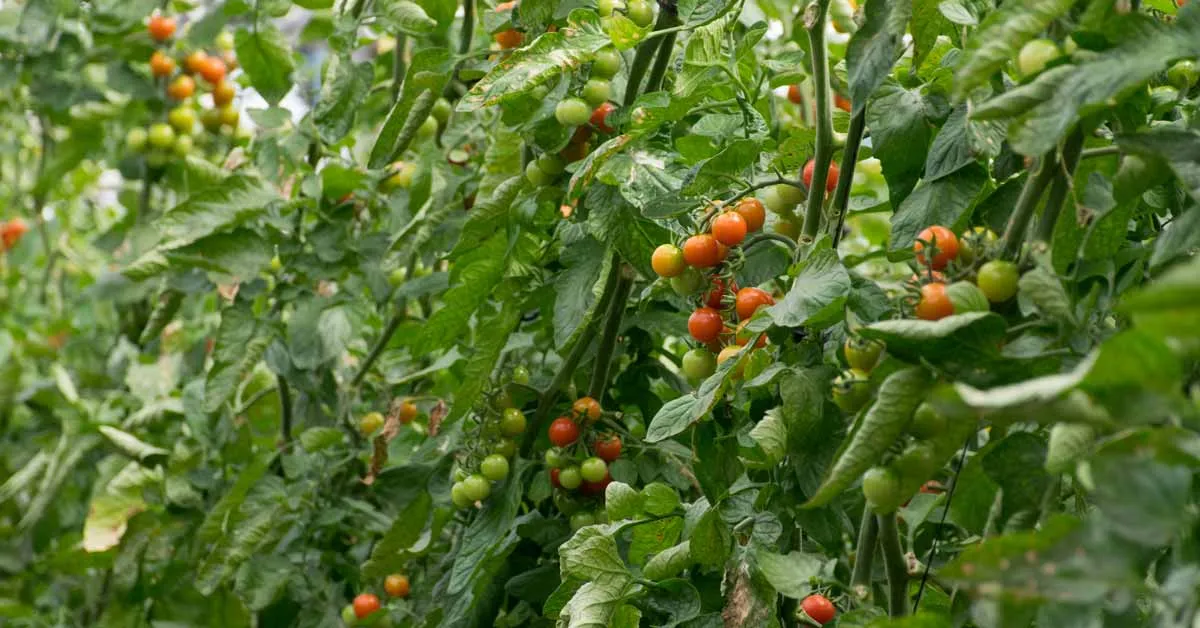
Asmita emphasises that parents should abandon perfectionism early. Skip the temperamental plants. Choose ones that reward curiosity: mint you can smell, tomatoes you can taste, chhuimui (touch-me-not) with leaves that close when touched. Let children paint pots, choose what to plant, decide when to water. The journey matters more than the harvest.
The hygiene question
Parents worry about sun exposure, worms, infections. These concerns are understandable but shouldn't overshadow the benefits. The "hygiene hypothesis" suggests early exposure to soil microbes actually strengthens immune systems. Simple precautions — gardening in early morning or late afternoon, routine deworming schedules — handle most risks without wrapping children in bubble wrap.
Emotional safety matters equally. Gardening should never feel forced. If frustration rises, pause. Let curiosity lead.
What actually grows fast enough to hold attention
Asmita recommends starting with plants that show results in days, not weeks. Microgreens like methi and fennel sprout in five to seven days on a balcony or windowsill. Chana and ragi are beginner-friendly. Spring onions grow fast in any pot. Marigolds are reliable starters. Fast wins keep children engaged.
Space isn't an excuse either. Hanging planters, window sills, railing hooks, self-watering pots — urban apartments can become growing spaces. Asmita shows children that gardening isn't reserved for sprawling backyards.
When parents step back and let mistakes happen, something shifts. A child tending a plant develops responsibility without pressure, wonder without instruction. The green thumb is almost incidental to what's really growing: a small person learning that they can nurture something living, that growth takes time, that attention matters.