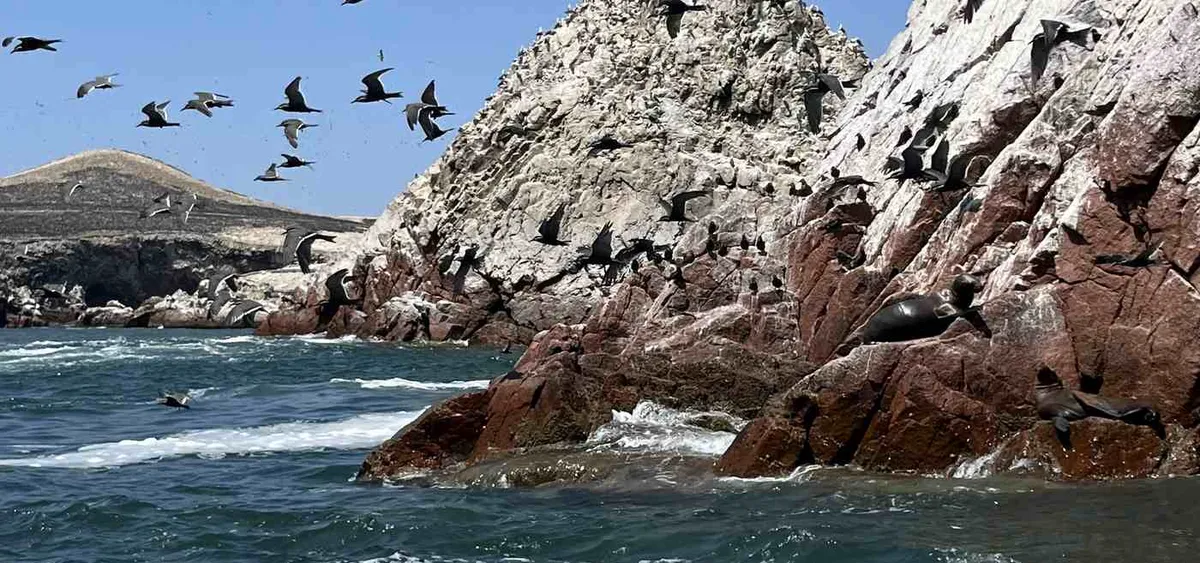
A stretch of Peru's coast is one of Earth's driest places. Yet around 1400 CE, the Chincha Kingdom flourished there—becoming wealthy enough to trade as equals with the Inca Empire. Archaeologists have now traced that unlikely prosperity to something simple: seabird guano.
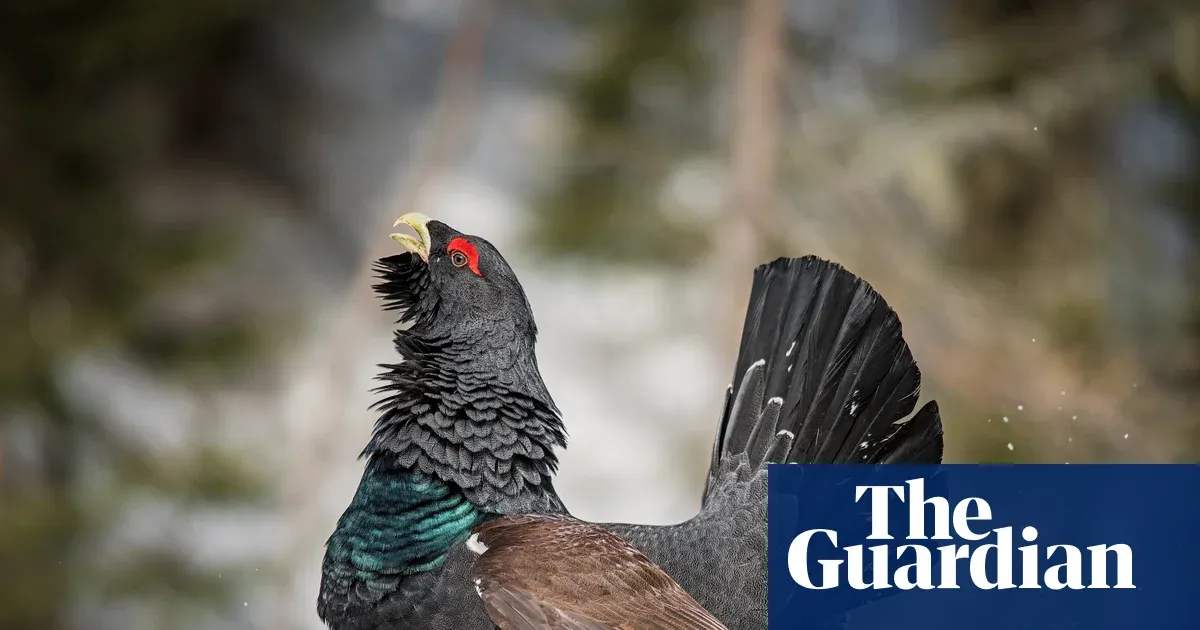
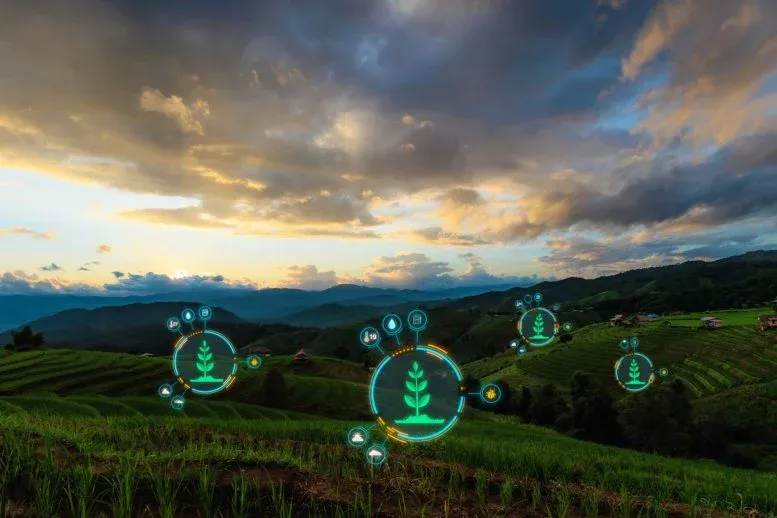
The Chincha Valley sits on a desert where irrigated soil loses nutrients fast. Growing maize—the staple crop that fed the Americas—should have been nearly impossible. But the Chincha Islands, just offshore, hosted massive seabird colonies. Their droppings, nitrogen-rich from marine diets, transformed the coastal soil.
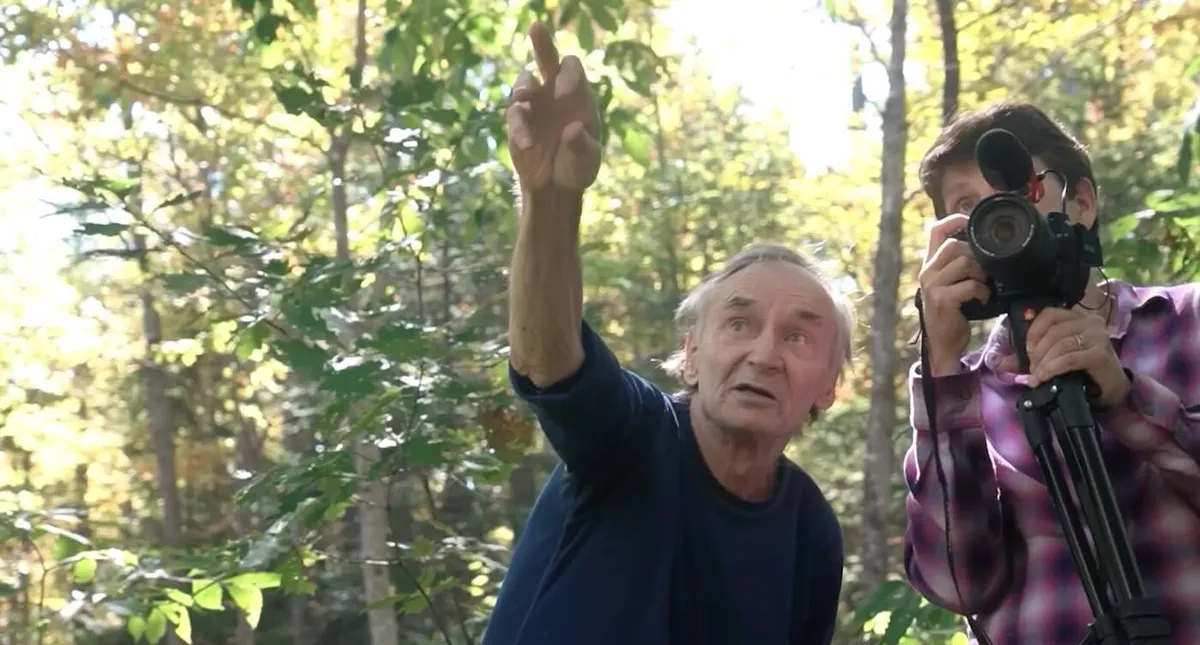
"Fertilizer was power," says Dr. Jacob Bongers from the University of Sydney, who led the research. "Guano dramatically boosted maize production, and that surplus fueled everything else—trade, wealth, population growth, regional influence."
We're a new kind of news feed.
Regular news is designed to drain you. We're a non-profit built to restore you. Every story we publish is scored for impact, progress, and hope.
Start Your News DetoxThe evidence is layered. Chemical analysis of ancient maize samples from the valley showed nitrogen levels far beyond what the natural soil could provide. The researchers also found seabirds, fish, and sprouting maize depicted together across textiles, ceramics, and wall carvings—suggesting these weren't just practical resources but culturally celebrated ones. Colonial-era writings confirm that coastal communities across Peru and northern Chile regularly sailed to harvest guano, treating it as a prized commodity.
A fertilizer that shaped empires
The Chincha didn't just farm. The maize surplus freed people to specialize—merchants, fishers, craftspeople. This surplus became the foundation of their power. The highland-based Inca, famously dependent on maize but unable to grow much in their mountain terrain, needed what the Chincha had. Guano-fueled agriculture gave the Chincha leverage in those diplomatic negotiations, transforming them from a coastal farming community into major traders and political players.
"Guano played an important role in the diplomatic arrangements between the Inca and Chincha communities," Bongers explains. "It expanded their agricultural productivity and mercantile influence, leading to exchanges of resources and power."
What's striking is how deliberately this system was managed. The Chincha didn't stumble onto guano's power—they recognized it, protected the seabird colonies that produced it, and wove that relationship into their culture. They understood that a renewable resource, properly stewarded, could sustain an entire civilization.
That's not a small insight for an ancient society. And it's not irrelevant now, when we're learning—again—that working with natural systems rather than against them tends to end better.