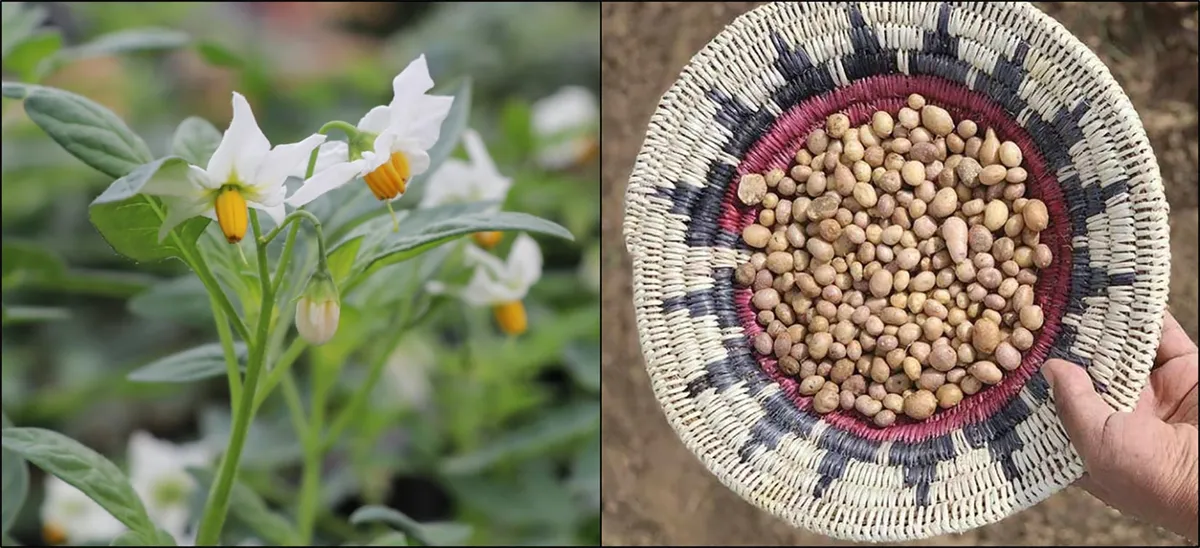
A small, hardy potato still grows across the American Southwest today — but it shouldn't be there. Not naturally, anyway. The Four Corners potato (Solanum jamesii) has a range that stretches from southern Utah and Colorado down into northern Mexico, yet genetic evidence and archaeological tools suggest Indigenous peoples deliberately moved it far beyond where it would have naturally thrived, a journey that began at least 10,900 years ago.
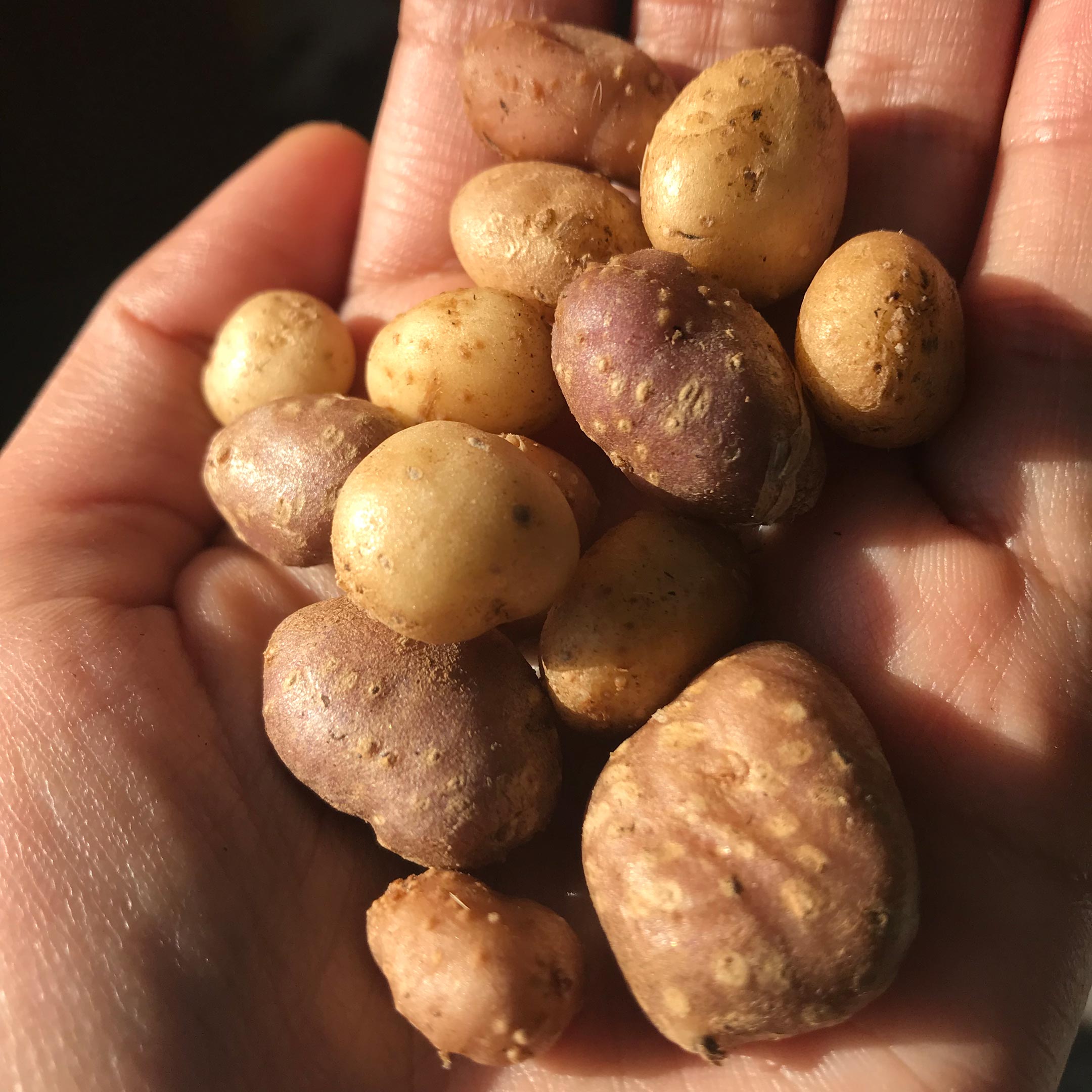
Tubers of Solanum jamesii used for food, medicine, and ceremony by Indigenous people across the American Southwest. Credit: Cynthia Wilson
Researchers pieced together this story by examining ground stone tools from 14 archaeological sites scattered across the region, some dating back thousands of years. They tested the tools for microscopic starch granules — the fingerprints left behind when someone processed food. Nine of those sites showed evidence of the Four Corners potato, with some of the oldest traces appearing near the northern edge of where the plant grows today, along the Four Corners border region.
We're a new kind of news feed.
Regular news is designed to drain you. We're a non-profit built to restore you. Every story we publish is scored for impact, progress, and hope.
Start Your News DetoxBut stone tools alone don't tell the full story. Genetic studies of modern potato populations revealed something striking: some northern populations carry genetic markers indicating their ancestors came from much farther south. Someone moved those plants deliberately, carrying them across the landscape and establishing them in new territory.
A Living Practice, Thousands of Years Deep
What makes this discovery particularly significant is what it reveals about early domestication. Moving a plant beyond its natural range and using it repeatedly — these aren't accidents. They're intentional practices. And in this case, they happened thousands of years ago.
The researchers didn't rely only on archaeology and genetics. They interviewed 15 Navajo (Diné) elders, who confirmed what the science was uncovering: the Four Corners potato remains culturally important today. It's still eaten, still recognized, still used in spiritual practices. The plant carries stories as much as nutrition.
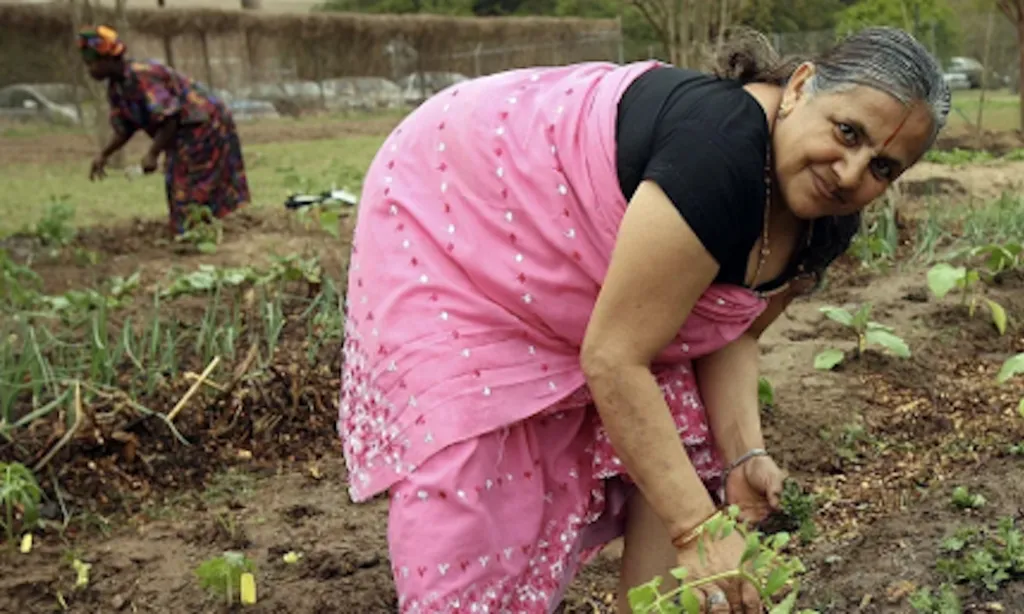
Cynthia Wilson, one of the researchers, framed this in terms that the laboratory data alone couldn't capture: "The mobility of Indigenous foodways was driven by kinship-based practices across the landscape. Indigenous knowledge holders, especially matrilineal women, held on to these seedlings and stories across generations to sustain ties to ancestral land and foodways."
This is what 10,000 years of continuity looks like — not a historical artifact, but a living practice. A plant moving through time not because of trade routes or markets, but because people cared enough to carry it, replant it, and pass the knowledge forward. The Four Corners potato's range isn't just a botanical fact. It's a map of human relationships with the land, written in seeds.