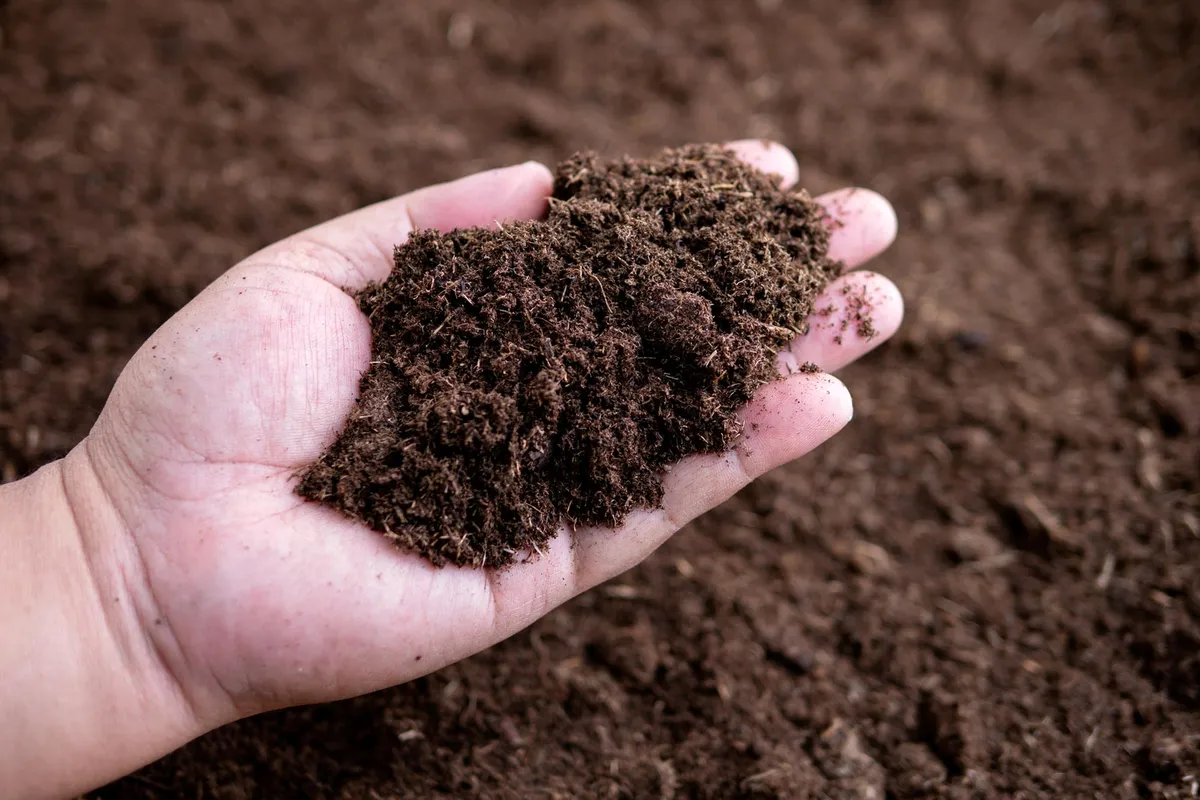
Warming soils might be releasing carbon that was once thought to be locked away forever. This could add more CO2 to the air, making climate change worse in ways scientists are just starting to understand.
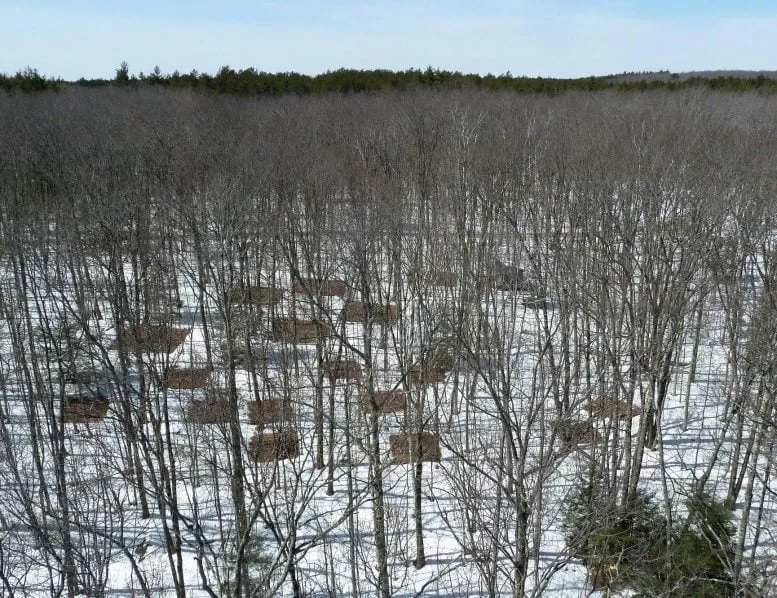
For almost 40 years, the world's longest soil warming experiment has been running. It shows that "stable" carbon in forest soils is not as permanent as once believed. When temperatures go up, even these tough carbon stores can break down and release CO2.
Jerry Melillo, a scientist at the Marine Biological Laboratory, explained that microbes are key to soil health. They break down organic matter and help plants grow. As warming changes these microbe groups, it can speed up how fast carbon leaves the soil.
We're a new kind of news feed.
Regular news is designed to drain you. We're a non-profit built to restore you. Every story we publish is scored for impact, progress, and hope.
Start Your News DetoxA Long Experiment in Harvard Forest
In Harvard Forest, Massachusetts, researchers have been warming sections of soil for 37 years. Electric cables keep these areas 5 °C (9 °F) warmer than normal, all year round.
When the study started in the late 1980s, this temperature increase was at the high end of climate predictions. Now, it doesn't seem so extreme. Global temperatures have already risen about 1.1 to 1.4 °C since the Industrial Revolution. Future warming depends on how quickly we cut greenhouse gas emissions.
Melillo noted that if we greatly reduce CO2 from burning fossil fuels or stop deforestation, the temperature increase would be smaller.
A Hidden Change Underground
Soil holds more carbon than the atmosphere and all plants combined. This makes it a crucial part of the climate system. Scientists used to think some of this carbon stayed locked away for centuries. The new findings challenge this idea.
After decades of warming, researchers saw that these supposedly strong forms of soil organic matter are starting to break down. This change didn't happen right away. It appeared slowly, showing why long-term experiments are so important for understanding changes over many decades.
A Feedback Loop with Global Impact
As this material breaks down, it releases more CO2 into the atmosphere.
This process could create a feedback loop in Earth's climate: warmer temperatures lead to more carbon leaving the soil, which then causes even more warming. Adding these results to climate models could help us better predict future climate change.
Deep Dive & References
Three decades of continuous warming in temperate forests destabilizes persistent forms of soil organic matter - Science of The Total Environment, 2026