For a long time, scientists figured disease-causing parasites were mostly just cloning themselves, quietly multiplying without much fuss. Turns out, they're far more social than we gave them credit for. A new study, co-led by Mississippi State University biologist Matthew W. Brown, just blew up that assumption.
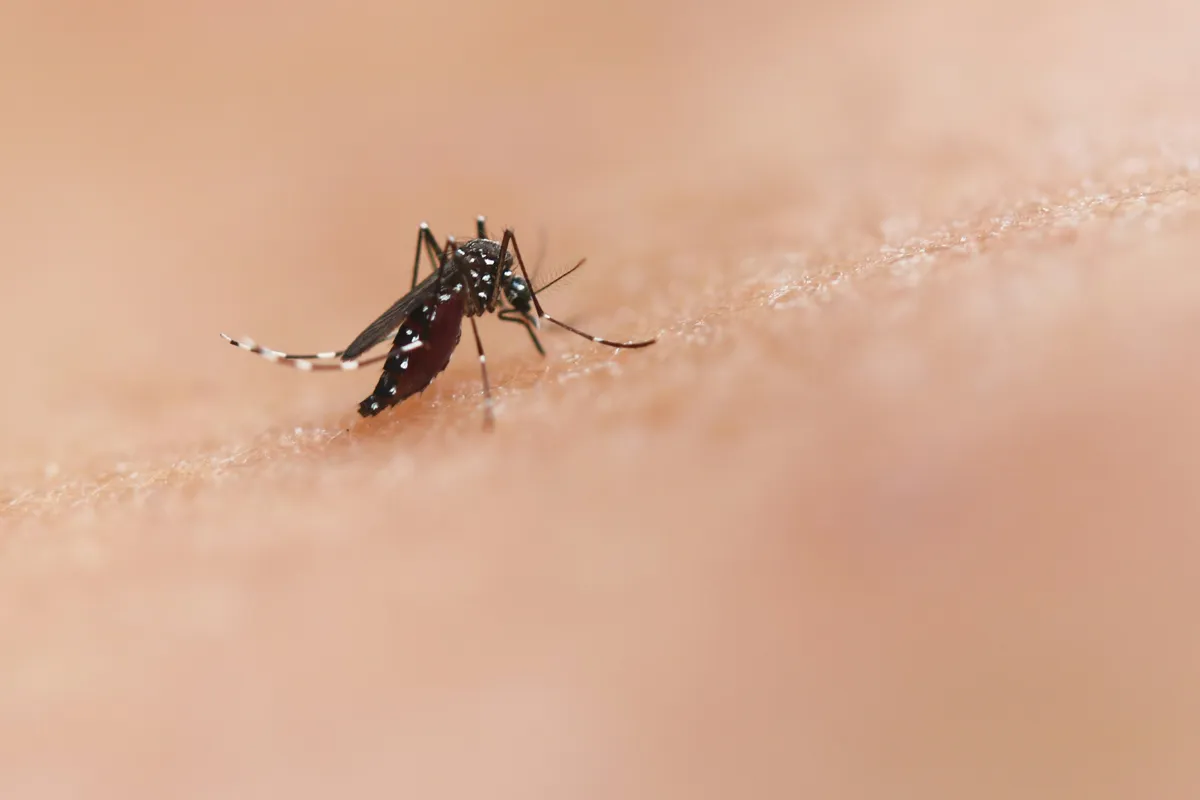
Published in the Proceedings of the National Academy of Sciences, this research focused on Leishmania, a nasty parasite spread by insect bites across the globe. And what they found is, well, Leishmania has been getting around.
Instead of just making carbon copies, over 70% of the parasites tested showed clear evidence of genetic mixing. We're talking sexual reproduction and hybridization – basically, these microscopic critters are swapping genetic material like it's going out of style. Which, if you think about it, is both impressive and slightly terrifying.
We're a new kind of news feed.
Regular news is designed to drain you. We're a non-profit built to restore you. Every story we publish is scored for impact, progress, and hope.
Start Your News DetoxBrown explained that this constant genetic exchange is a major evolutionary force. It's like the ultimate biological remix, constantly tweaking how these parasites spread and how resistant they might become to treatments. Understanding this fundamental shift could completely change how we develop strategies to fight parasitic diseases worldwide.
The Unsung Heroes of Evolution
This isn't Brown's first rodeo in the world of tiny, game-changing discoveries. Last fall, he was part of another international team that uncovered Solarion arienae, a brand-new organism that gave us fresh insights into the very earliest stages of complex life on Earth. So, while we're out here worrying about our Wi-Fi signal, these scientists are out there redrawing the tree of life.
It just goes to show: even the smallest organisms have the biggest surprises. And sometimes, those surprises completely upend decades of scientific understanding. Let that sink in next time you swat a mosquito.