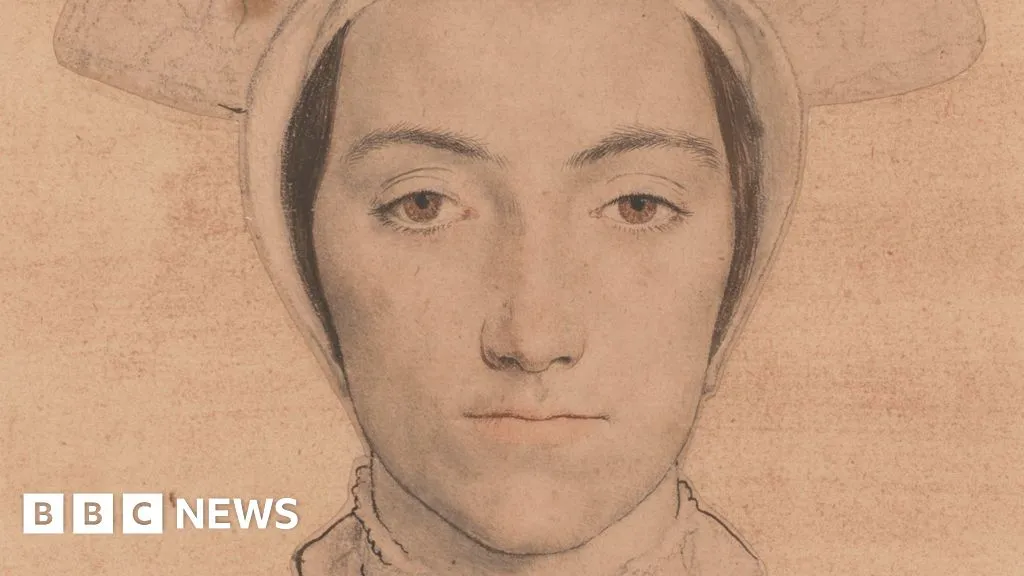
A computer science team believes they have found a previously unknown sketch of Anne Boleyn. They used facial recognition on a famous collection of Tudor portraits.
Anne Boleyn was King Henry VIII's second wife. She gave birth to Queen Elizabeth I. Boleyn was executed in 1536, but her true appearance has remained a mystery.
All known painted portraits of Boleyn were made after she died. This has led to centuries of debate about what she looked like.
We're a new kind of news feed.
Regular news is designed to drain you. We're a non-profit built to restore you. Every story we publish is scored for impact, progress, and hope.
Start Your News DetoxThe research team, from the University of Bradford, calls this discovery "exciting." They believe their method could help solve other art mysteries. However, some art historians are skeptical.
The Challenge of Identifying Anne Boleyn
Dr. Charlotte Bolland, a curator at the National Portrait Gallery, notes that no secure, lifetime portrait of Anne Boleyn exists. She was not queen long enough for a clear visual record. There are also hints that some of her images might have been destroyed.
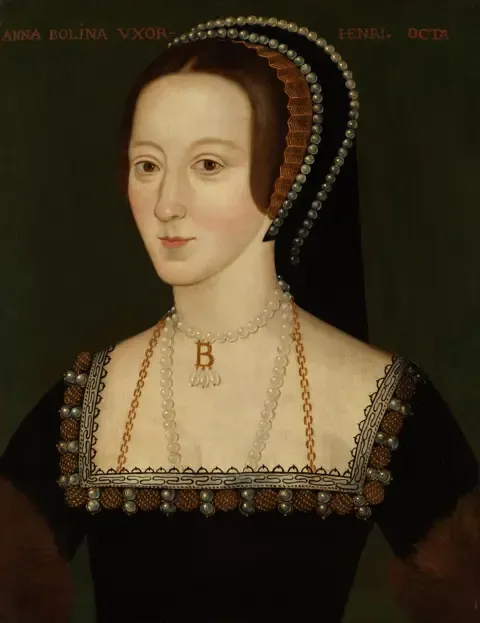
There are a few lifelike drawings that might show her, but their authenticity is debated. One such drawing, labeled with her name, is a preparatory sketch by Hans Holbein the Younger. It is part of a collection at the Royal Collection Trust.
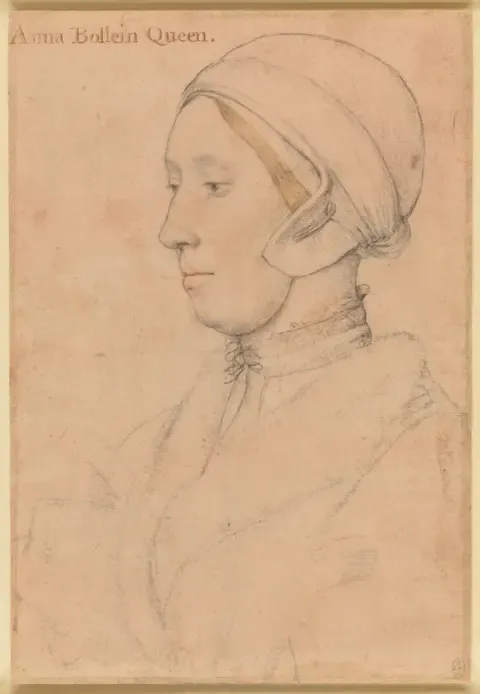
Many art historians, like Dr. Bendor Grosvenor, believe this labeled sketch is a true likeness of Boleyn. However, others argue it was mislabeled. Despite these differing views, it is widely thought that the Holbein collection does contain a portrait of Anne Boleyn somewhere.
Using Facial Recognition to Find Answers
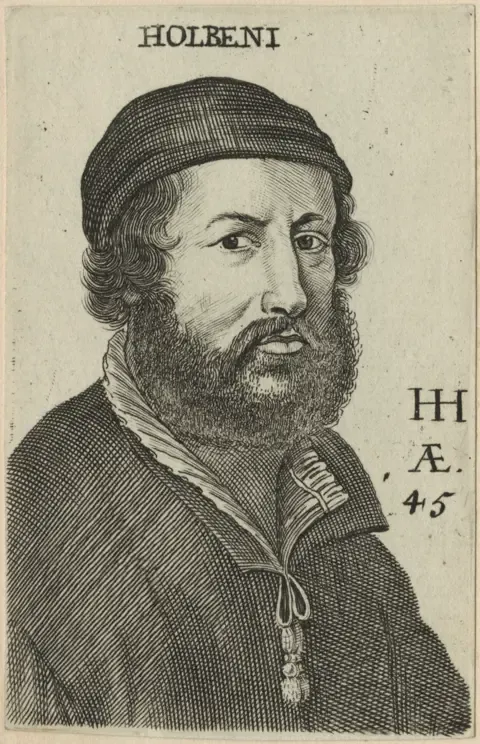
Professor Hassan Ugail from the University of Bradford led the computer science team. They used a machine-learning algorithm to compare digital copies of drawings in the Holbein collection. The system looked for and compared key facial features. The goal was to find the correct sketch of Anne Boleyn.
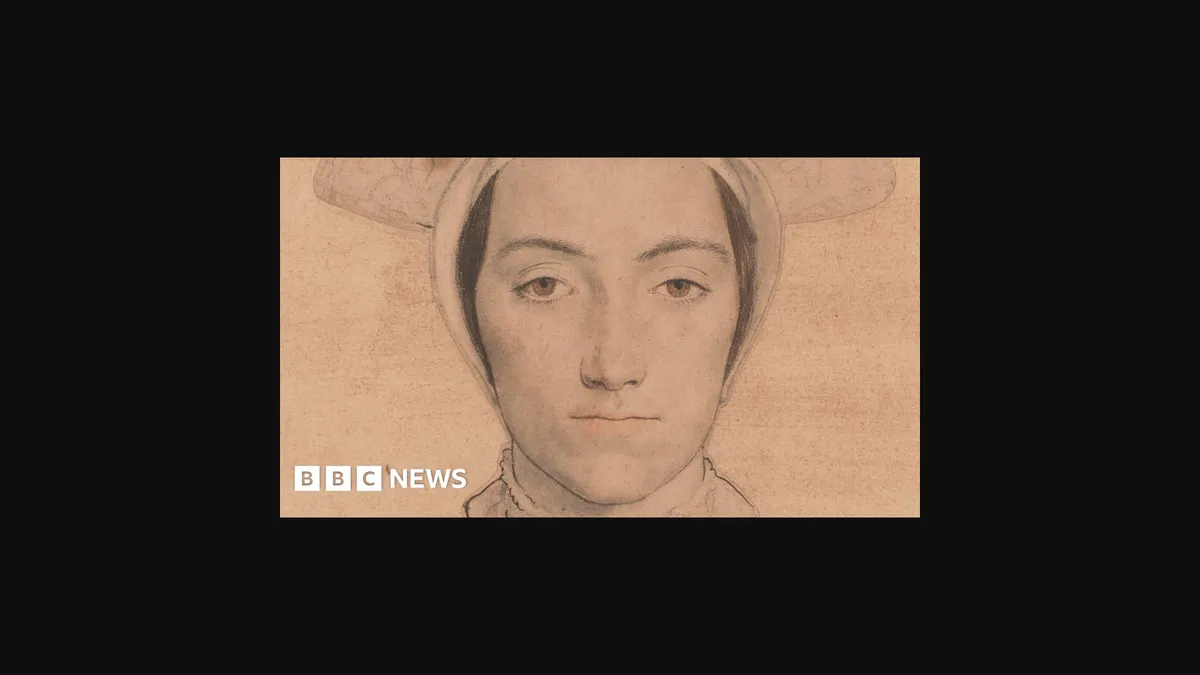
Karen Davies, the lead author of the research, said the results "shocked" them. Based on the computer's analysis, they believe they found a sketch of Boleyn that has been misidentified as an "unidentified woman" for centuries.
Davies has long questioned the sketch labeled "Anne Boleyn." She points to details like the informal dress, the 18th-century inscription of the name, and the light hair and full chin, which contradict descriptions of Boleyn having dark hair and a thin neck.
To overcome the lack of a confirmed portrait, the researchers compared the drawings to Anne Boleyn's first cousins and her daughter, Elizabeth I. They looked for family similarities and facial geometry. The algorithm rated how alike faces were, with higher percentages indicating more resemblance. This allowed them to build a visual family tree.
Debate and Future Possibilities
The research has been peer-reviewed. However, it faces criticism from the art history community. Dr. Grosvenor calls the research "a load of rubbish" and questions its methodology. He believes works of art cannot be treated like modern photographs.
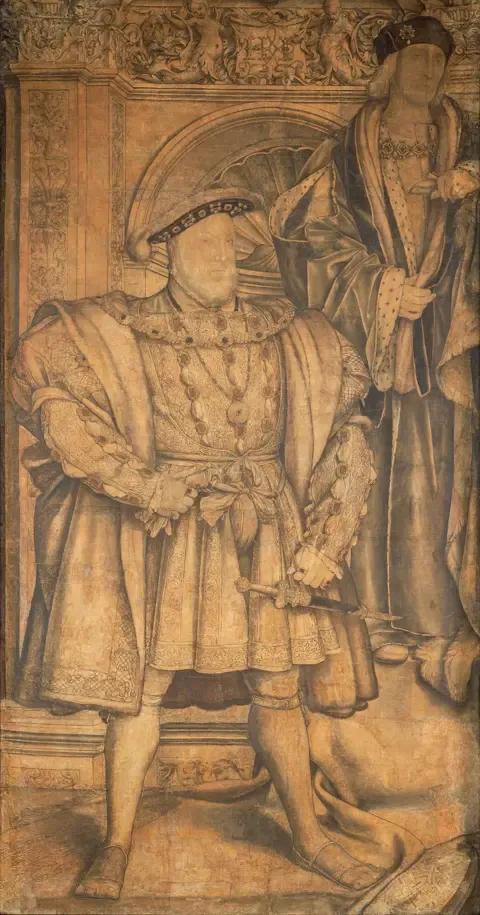
Grosvenor still believes the Holbein sketch labeled "Anne Boleyn" is genuine. He argues that it was identified by someone who knew her. He also suggests the "blonde hair" might have been a darker topcoat that wore off. The informal dress, he notes, was worn by high-status individuals. He believes it was an intimate drawing of Boleyn, possibly during a pregnancy.
Despite the debate, the mystery of Anne Boleyn's appearance continues to fascinate. Dr. Bolland notes that the "emotional tragedy of her life" drives ongoing research. People are using different methods to answer questions that have puzzled historians for centuries.