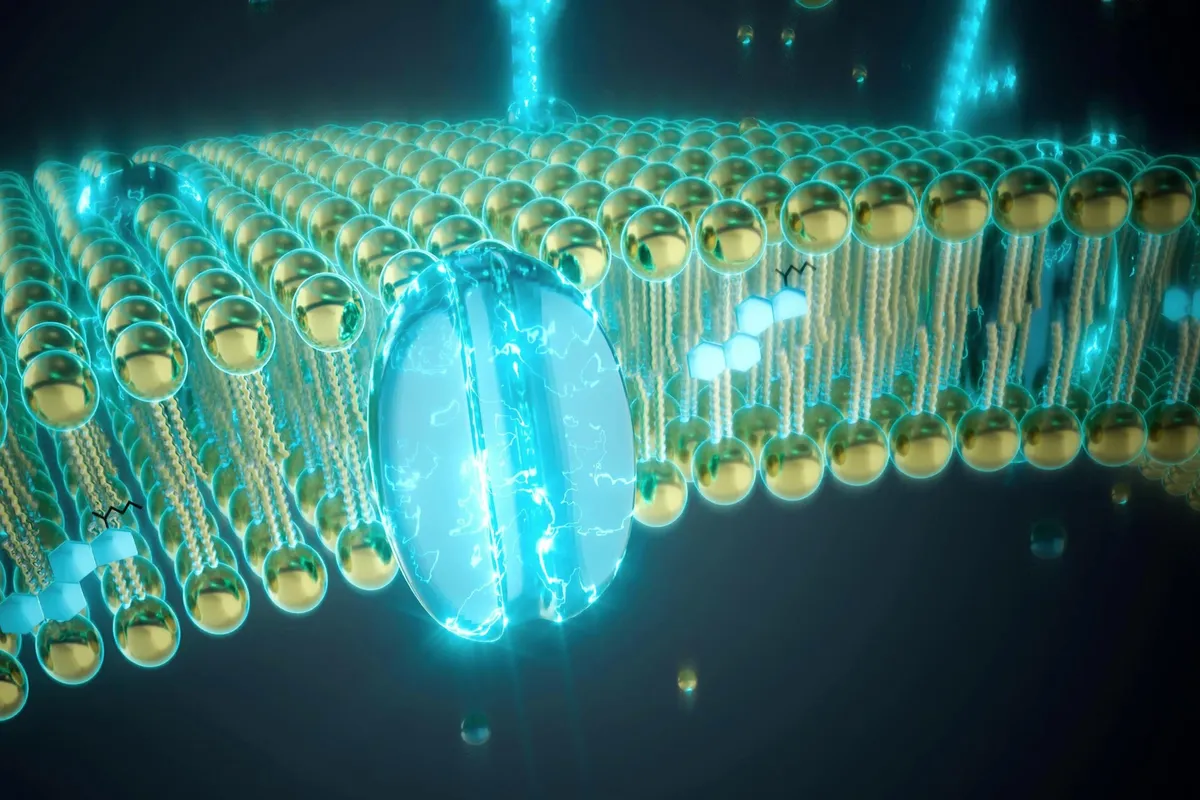
Your brain's blood vessels have a security system. It's called the blood-brain barrier, and its job is to keep harmful molecules from slipping out of your bloodstream and into your brain tissue. But as you age, that barrier gets leaky. The damage accumulates, inflammation spreads, and cognitive decline follows.
Researchers at UC San Francisco just figured out how exercise helps fix this. The answer involves an enzyme your liver produces when you move, one that travels through your bloodstream and essentially cleans up a protein that's been gumming up your brain's defenses.
The Liver's Secret Message to the Brain
A few years ago, the team noticed something odd: mice that exercised produced higher levels of an enzyme called GPLD1 in their livers, and their brains seemed to benefit. But GPLD1 can't actually cross into brain tissue, so how was it helping. The puzzle nagged at them until now.
We're a new kind of news feed.
Regular news is designed to drain you. We're a non-profit built to restore you. Every story we publish is scored for impact, progress, and hope.
Start Your News DetoxThe new study, published in Cell in February, reveals the mechanism. When you exercise, your liver releases GPLD1 into your bloodstream. The enzyme travels to the blood vessels surrounding your brain and removes a protein called TNAP from their surface. As you age, TNAP accumulates in these vessel cells, weakening the barrier and making it more permeable. GPLD1 trims it away, restoring the barrier's integrity.
"This discovery shows just how relevant the body is for understanding how the brain declines with age," said Saul Villeda, associate director of the UCSF Bakar Aging Research Institute and senior author of the study. "It may open new therapeutic possibilities beyond the traditional strategies that focus almost exclusively on the brain."
The evidence is striking. Young mice engineered to produce excess TNAP in their blood-brain barriers developed memory and cognitive problems similar to those seen in older animals—proof that this one protein matters. When researchers used genetic techniques to lower TNAP levels in two-year-old mice (equivalent to 70 human years), the barrier became less leaky, brain inflammation declined, and the animals performed better on memory tasks. Importantly, this worked even late in the mice's lives, suggesting the mechanism can be tapped into after damage has already occurred.
The finding points toward a new class of drugs: molecules that could trim proteins like TNAP and restore the blood-brain barrier even after years of decline. It's a different angle than most Alzheimer's research has explored, which has traditionally focused on what happens inside the brain itself. This suggests the real leverage point might be maintaining the brain's physical defenses—the walls that keep it safe.
Exercise has always been one of the strongest predictors of healthy aging. Now we're beginning to understand one of the reasons why.