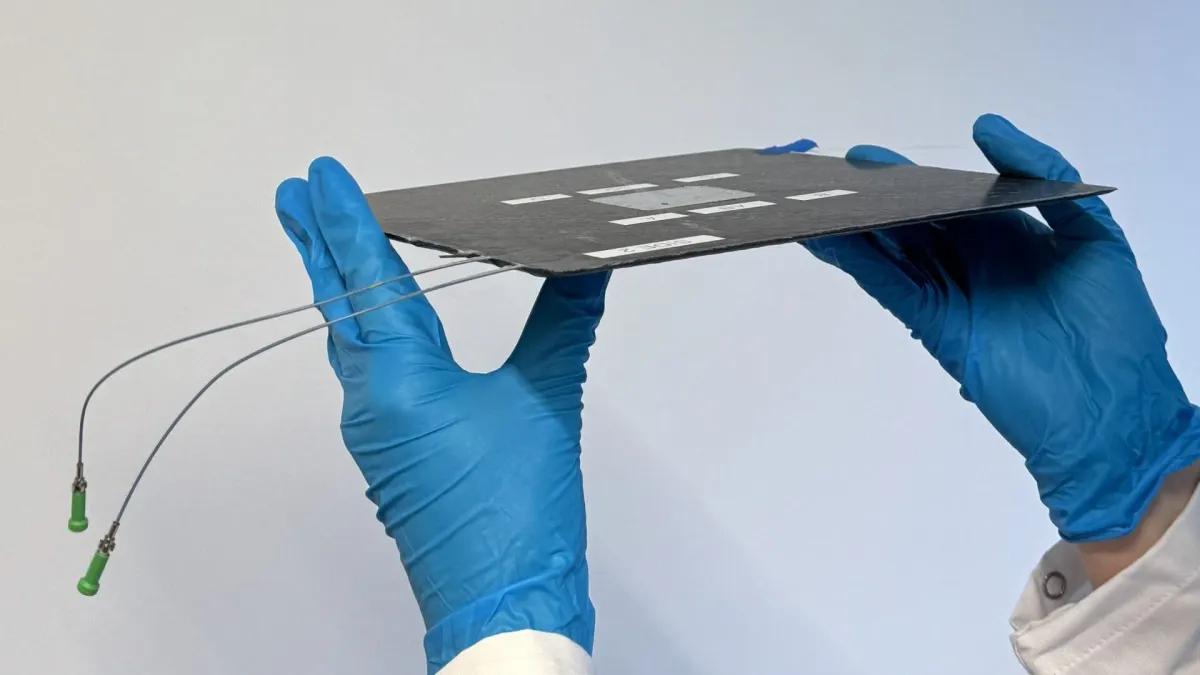
Scientists have figured out how to use machine learning to spot materials that could finally make solid-state batteries practical—and it comes down to reading the light they scatter in a very specific way.
Solid-state batteries promise to be safer and pack more energy than the lithium-ion batteries in your phone right now. But there's a catch: they only work well if ions can move through them quickly enough. Finding materials that let ions zip through has always meant months of lab work—synthesizing candidates, testing them, running expensive computer simulations that struggle to capture what actually happens inside these materials at operating temperatures.
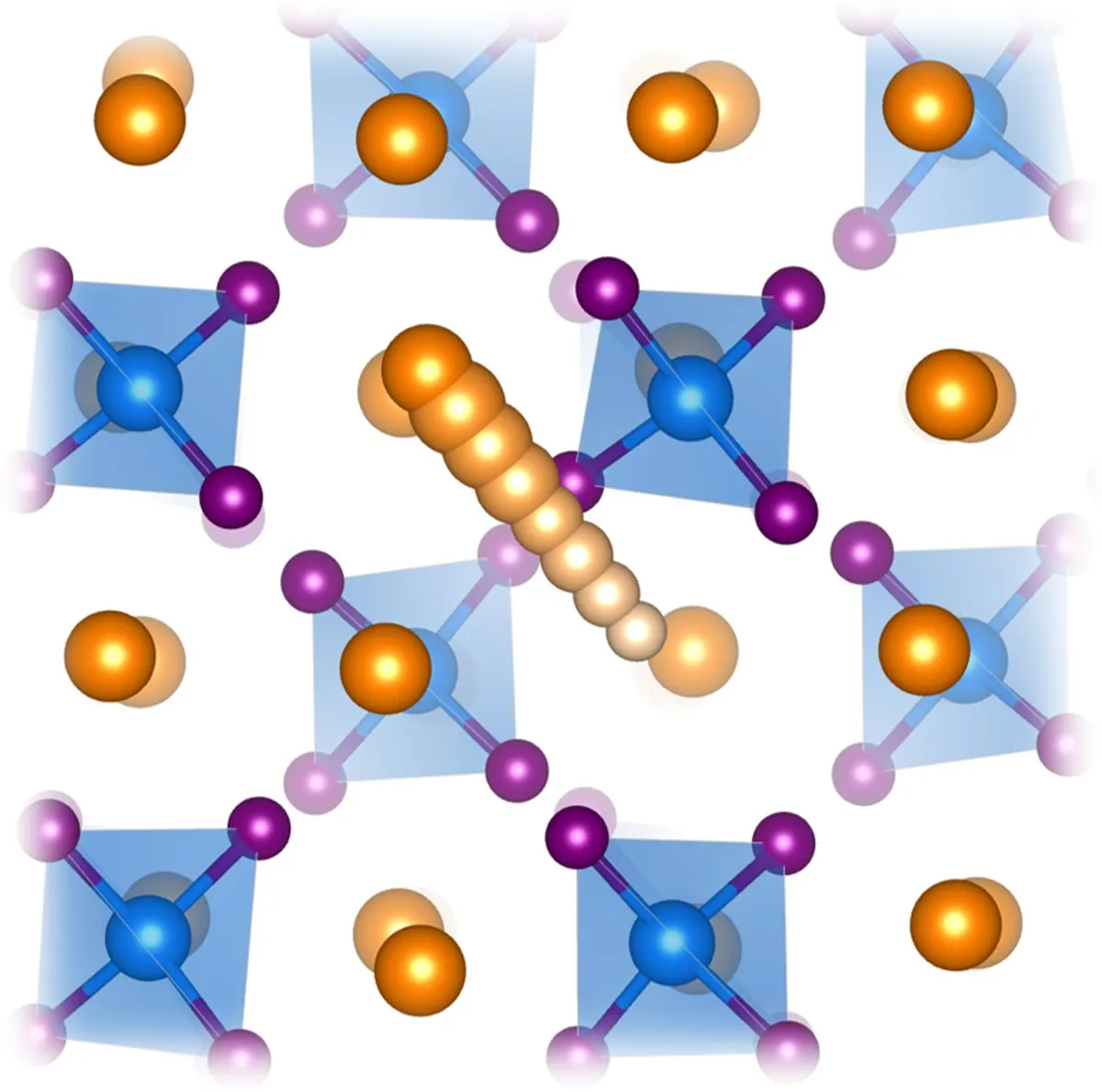
Researchers at MIT and elsewhere have now flipped the problem. Instead of brute-forcing their way through hundreds of materials, they trained machine learning models to read Raman spectroscopy—the pattern of light that scatters when you shine a laser at a material. The breakthrough: when ions move through a solid in a fluid-like way (rather than hopping between fixed spots), they create a very distinctive low-frequency Raman signal. It's like a fingerprint that says "this material conducts ions fast."
We're a new kind of news feed.
Regular news is designed to drain you. We're a non-profit built to restore you. Every story we publish is scored for impact, progress, and hope.
Start Your News DetoxHere's what's happening at the atomic level. When ions flow smoothly through a crystal, they temporarily break the material's symmetry. That symmetry-breaking relaxes the normal rules for how light scatters, creating those telltale low-frequency signals. The team tested this on sodium-ion conductors like Na₃SbS₄ and found the pattern held: materials with strong low-frequency Raman features consistently showed high ionic mobility. Materials where ions just hopped between fixed positions? No such signal.
The real win is speed. Traditional simulations of these complex, disordered systems demand enormous computing power. The ML-accelerated approach achieves near-exact accuracy while cutting computational cost dramatically. That means researchers can now screen dozens of candidate materials in the time it used to take to evaluate one.
Why this matters for the battery timeline
Solid-state batteries have been "five to ten years away" for a decade. Part of the reason is that finding the right materials has been painfully slow. This method could compress years of materials screening into months. It's not the battery itself—it's the tool that lets you find the battery faster. The approach also works beyond sodium-ion conductors; the researchers have generalized it as a framework for spotting fast-ion conductors across many material types.
What happens next is almost mundane in its practicality: companies and labs can now use this Raman fingerprint to quickly filter through candidates, then focus expensive lab validation on the most promising ones. The first solid-state batteries in cars will likely use materials discovered this way, even if the researchers who found them never touch a soldering iron.
The findings were published in AI for Science in February 2026.