AI tools are becoming more common in local governments. Samsara, a company providing AI and technology services, is expanding its work with cities. They offer AI tools for things like managing vehicle fleets, tracking assets, and finding potholes. The company works with hundreds of cities and recently held a conference just for the public sector.
Smart Cities Dive spoke with Tim Nagy, Samsara's Senior Vice President for Sales Engineering. He discussed how AI is being adopted by local governments and what its future might look like in cities.
AI's Role in Public Services
Nagy explained that the public sector has been "underserved" by physical operations technology. He sees a big chance for companies like Samsara to help improve city operations. He noted that public sector groups are eager to share ideas and best practices, unlike the private sector where trade secrets are kept. Nagy believes AI can take over much of the "grunt work" that public sector employees currently do.
We're a new kind of news feed.
Regular news is designed to drain you. We're a non-profit built to restore you. Every story we publish is scored for impact, progress, and hope.
Start Your News DetoxOne challenge for AI adoption is local governments' hesitation to know about problems like potholes. They worry that if they know about a pothole, they might be held responsible for it. There's also a concern about resources. If AI identifies many potholes, cities might not have enough staff to fix them all.
Cities are looking for AI to help in two main ways: reducing risks for employees and making city operations more efficient. For example, an incident center can centralize urgent situations. In Kalamazoo County, Michigan, AI helped reduce the time spent on salting streets by knowing where trucks had already been.
Addressing Privacy and Misconceptions
Nagy addressed security and privacy concerns. He noted that many worries about AI relate to large language models, where personal information could become part of the model. Samsara's products keep information within the local government's own dashboard, not shared with larger models.
Samsara also uses AI to protect privacy. For instance, images collected by vehicles are anonymized, blurring faces and other identifying details. This feature can be turned on in the dashboard to blur operators and even passengers.
Nagy said the biggest misconception is that AI isn't ready to help. He pointed out that AI has advanced quickly, with large language models showing much higher "IQ" scores than just a year ago. He encourages anyone who has hesitated to look into how AI can help their local government.
The Future of AI in Cities
Nagy expects AI to keep evolving rapidly. In the next year, AI could detect more things like clogged drains, graffiti, and downed street signs. AI will also continue to improve how quickly teams know about incidents.
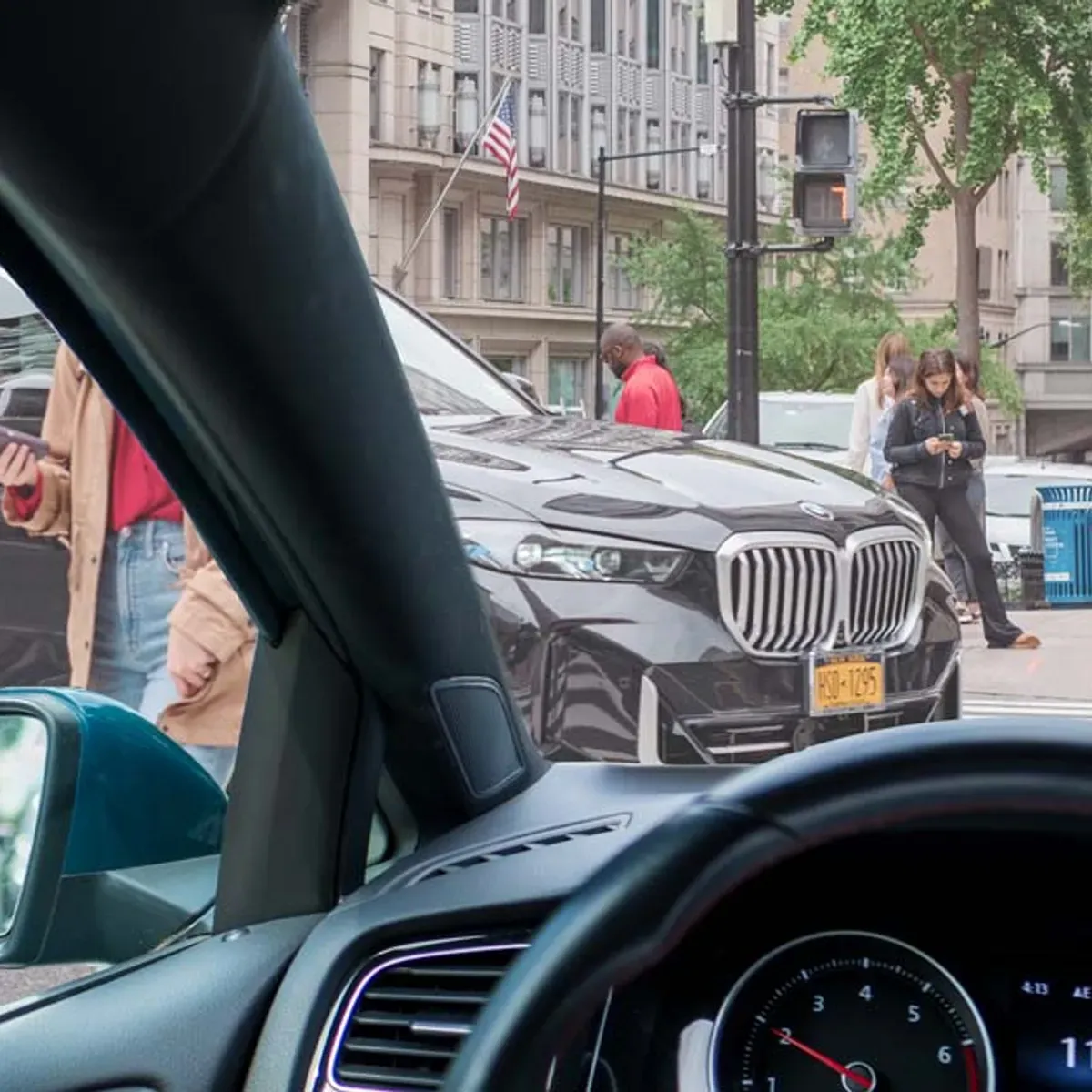
Samsara has integrated weather information into its dashboard. This allows for AI-based recommendations, such as advising drivers to slow down when it rains or snows. AI will also continue to reduce risks for drivers, for example, by detecting potential pedestrian collisions around vehicles.
Deep Dive & References
Samsara New Public Sector AI Solutions - Samsara Press Release Safer, Simpler Snow Operations - Samsara Webinar Large language models' IQ scores - ScienceDirect