Turns out, the very first farmers accidentally unleashed a botanical arms race, inadvertently breeding the plant equivalent of a Roman legion. New research suggests that early human farming methods created an intense evolutionary pressure, rewarding plants that could aggressively outcompete their neighbors for light and space.
Basically, our ancestors — while trying to get dinner on the table — inadvertently turned wheat into a competitive monster. And that, surprisingly, helped domesticate it.
Dr. Yixiang Shan and Professor Colin Osborne, leading an international team, dug into how wild plants reacted to the dawn of agriculture. Their findings, published in Current Biology, show that the organized rows of early farming favored plants with a serious competitive edge.
We're a new kind of news feed.
Regular news is designed to drain you. We're a non-profit built to restore you. Every story we publish is scored for impact, progress, and hope.
Start Your News DetoxThe Original Green Thumbs Created Plant Gladiators
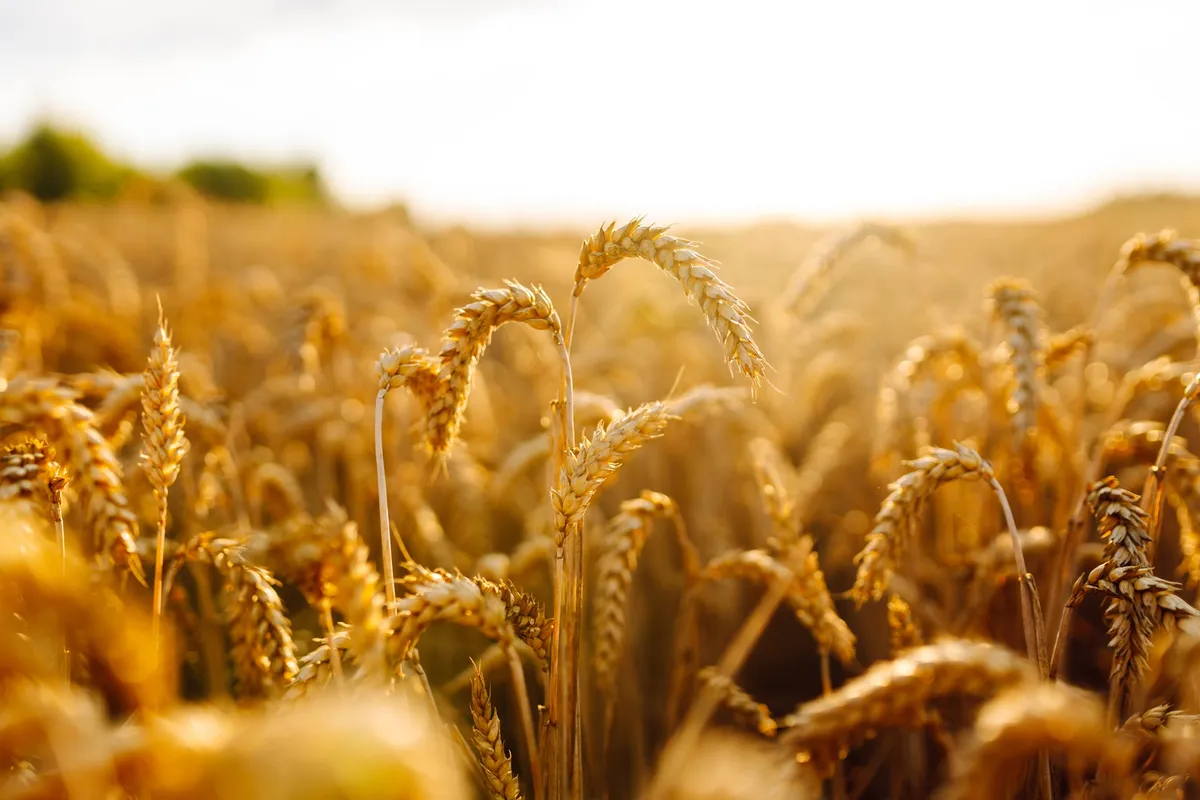
Imagine a crowded mosh pit, but with roots. For about 1,000 to 2,000 years, this intense competition for resources shaped early domesticated wheat. The plants that could throw shade (literally) on their neighbors and monopolize sunlight were the ones that thrived.
This led to some pretty hardcore "warrior" traits: larger, more upright leaves, and an almost stubborn determination to keep growing upwards, even when surrounded by a botanical scrum. Wild wheat, by comparison, was a bit of a pushover.
Using a fancy functional-structural plant (FSP) model, the researchers pinpointed leaf angle as the secret weapon. Plants with more vertical leaves could essentially rise above the fray, hogging the sunbeams and casting their rivals into shadow. Which, if you think about it, is both impressive and slightly terrifying.
Professor Osborne noted the irony: evolution initially favored these botanical bullies. Yet, modern farming, with its tightly packed rows and high-yield goals, demands cooperation, not conflict. So, modern breeders have had to spend centuries undoing what those first farmers started.
From Warrior to Wimp (for a Good Cause)
Indeed, today's "elite" durum wheat varieties are far less competitive than their ancient ancestors. Modern farming systems, with their precise control over resources via fertilizers and herbicides, removed the need for plants to duke it out. Now, the goal is efficiency.
Breeders now select for traits like shorter stems and smaller leaves, allowing the plants to pour all their energy into making grain, rather than waging a turf war. It’s a complete reversal of fortunes for the plant world: from cutthroat competitor to compliant co-habitant, all thanks to human intervention.
It just goes to show how profoundly farming, from its earliest messy beginnings to its hyper-efficient present, has reshaped the very nature of our food. And perhaps, offers a new appreciation for the quiet, unassuming efficiency of a modern wheat field.