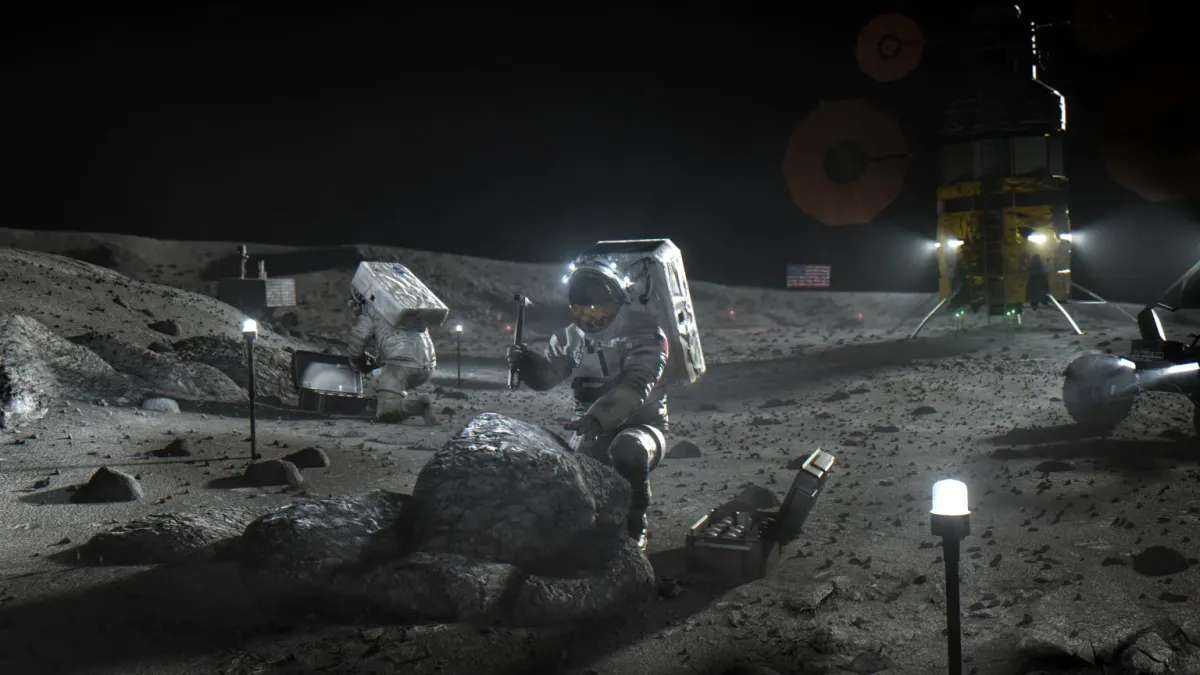
For the first time in over five decades, humans are about to leave Earth orbit and venture into deep space. NASA's Artemis II mission could launch as early as February 6, carrying four astronauts on a 10-day journey that will take them further from home than anyone has traveled since the Apollo era ended in 1972.
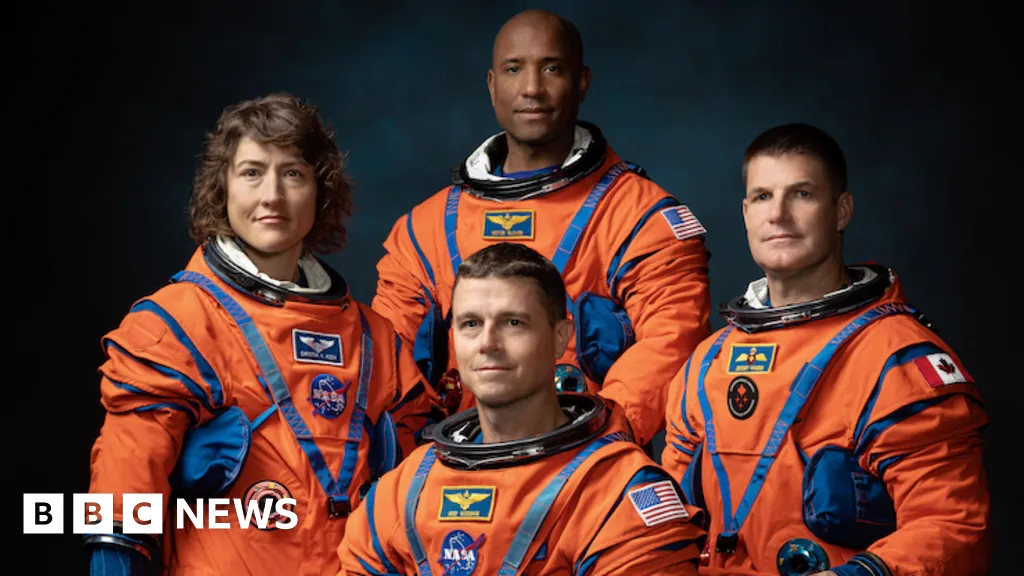
This isn't a Moon landing — not yet. Instead, Artemis II is the crucial rehearsal. Commander Reid Wiseman, pilot Victor Glover, mission specialist Christina Koch, and Canadian Space Agency specialist Jeremy Hansen will test every system that future crews will depend on. Once they reach orbit, they'll manually fly the Orion capsule, steering and practicing the maneuvers that will be essential when Artemis III actually touches down on the lunar surface, likely in 2028.
The real proving ground comes when they push thousands of kilometers beyond the Moon itself. Out there, in the vast quiet of deep space, the crew will check life support, propulsion, power, and navigation systems under conditions no spacecraft has faced since Apollo 17 left the Moon in December 1972. They'll also serve as living laboratories, sending back data and imagery about how human bodies respond to the deep-space environment — information that will shape how we protect astronauts on longer journeys ahead.
We're a new kind of news feed.
Regular news is designed to drain you. We're a non-profit built to restore you. Every story we publish is scored for impact, progress, and hope.
Start Your News DetoxThe long path back
NASA has set a launch window from February through April, though the exact date depends on final checks of the Space Launch System rocket and ground systems at Kennedy Space Center in Florida. The 52-year gap between Apollo 17 and Artemis II represents something more than a long pause — it's a reset. The technology is different, the goals are different, and this time, the plan includes international partners.
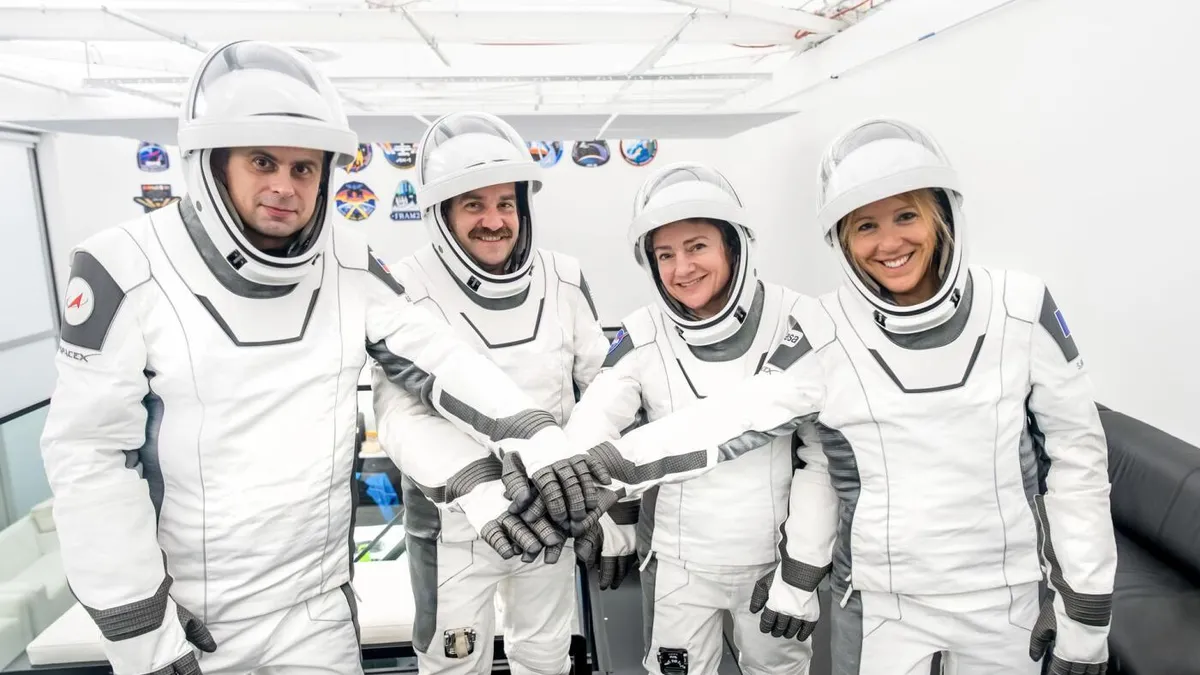
European astronauts have already secured seats on later Artemis missions. Japan has too. China is building its own lunar program, targeting the Moon's south pole by 2030. India has announced ambitions to send its own astronauts. Even Russia, despite current geopolitical tensions, continues to discuss future lunar missions, though on a timeline that most experts view as optimistic.
Artemis II represents the moment when human spaceflight shifted from "can we go back to the Moon" to "how do we go back, and who goes with us." The next chapter of lunar exploration isn't just American anymore — it's becoming a genuinely international endeavor, one test flight at a time.