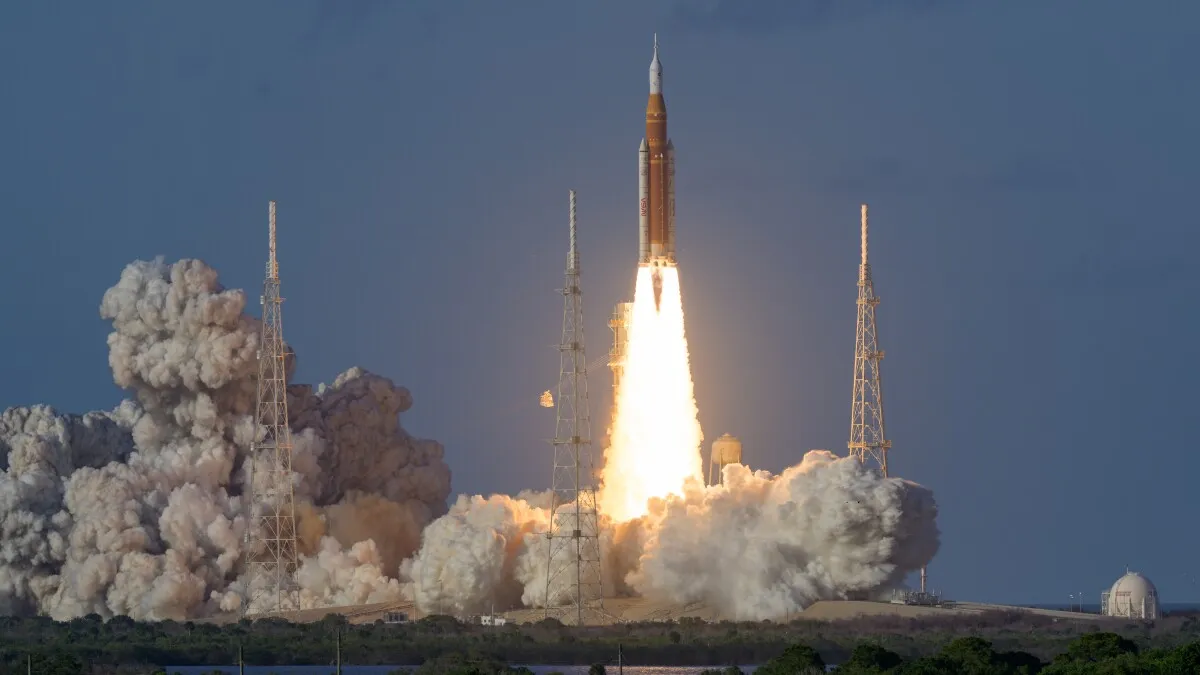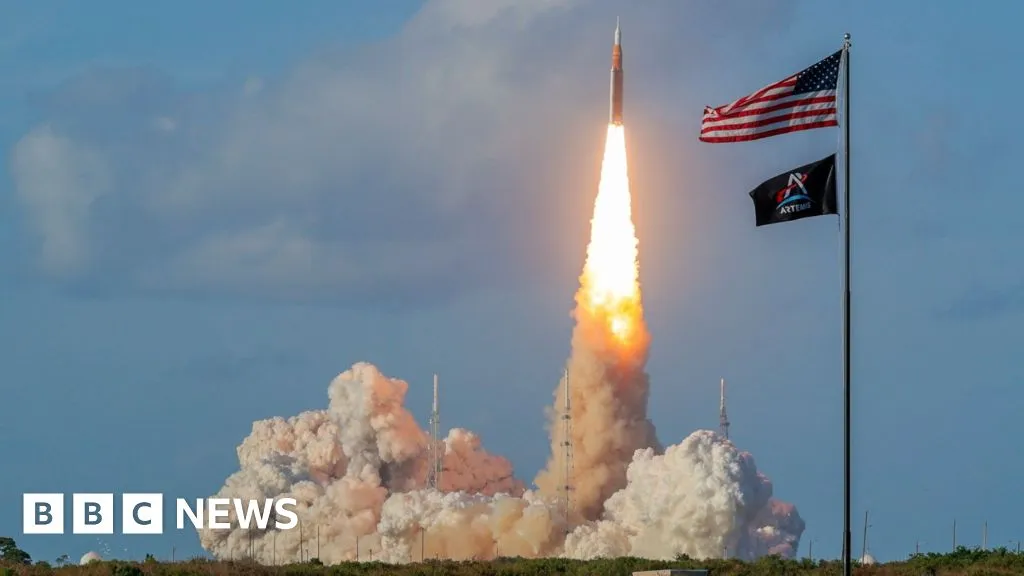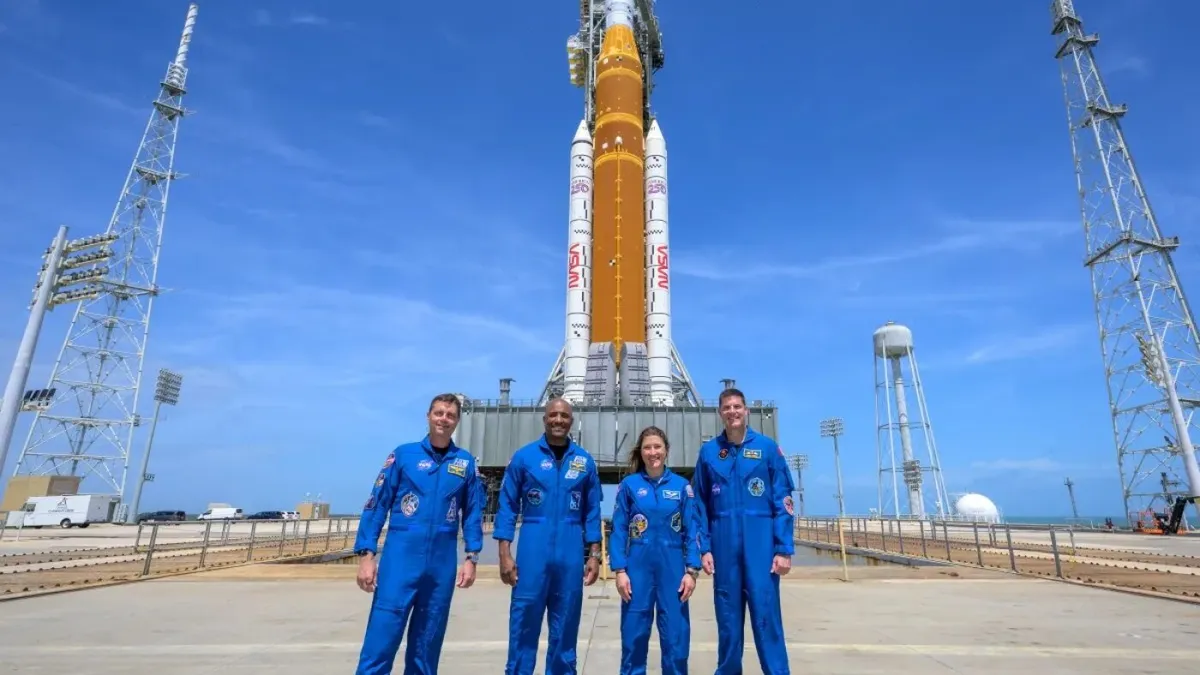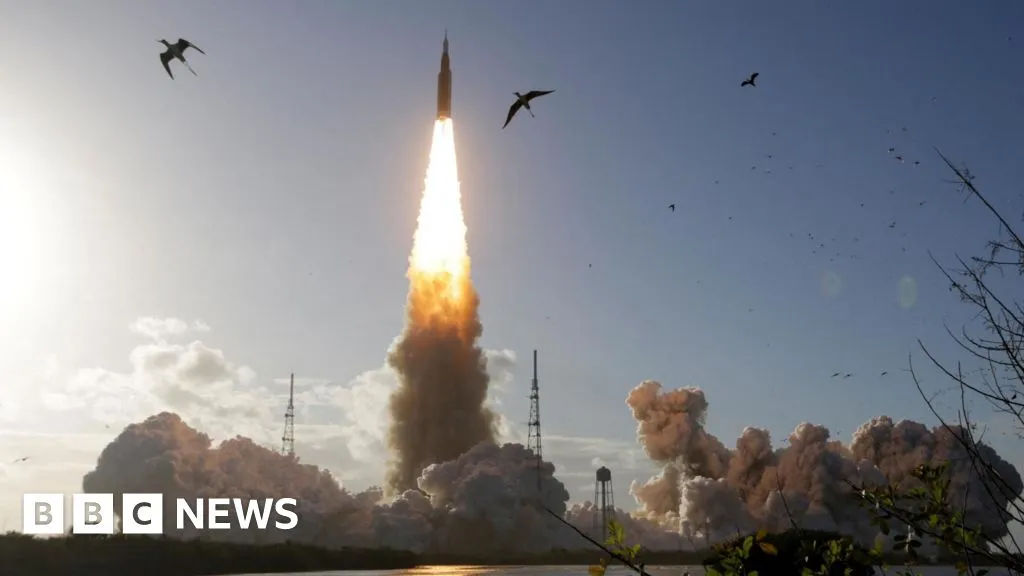
Nasa's Artemis II rocket successfully launched on Wednesday. This mission is crucial for the safety of its four astronauts, Nasa's reputation, and America's leadership in space exploration.
The crew will spend the next 24 hours testing the Orion spacecraft. They also have to deal with practical matters like sleeping and eating in space.
What the Astronauts are Doing Now
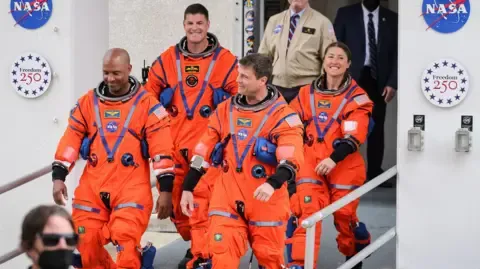
Commander Reid Wiseman, Victor Glover, Christina Koch, and Jeremy Hansen are orbiting Earth about 42,500 miles away. They are testing the Orion spacecraft.
We're a new kind of news feed.
Regular news is designed to drain you. We're a non-profit built to restore you. Every story we publish is scored for impact, progress, and hope.
Start Your News DetoxThe craft's solar wings deployed shortly after launch, providing power. The Orion, which is about the size of a minibus, has never flown with humans before. Pilot Victor Glover is pushing it to its limits to ensure it's safe for deep space travel.
The crew is also testing the life support systems. If something goes wrong, their special suits can keep them alive for about six days.
Life Aboard Orion
Unlike past Apollo missions, much of this journey is livestreamed by Nasa. Cameras show the astronauts checking monitors and pressing buttons.
About eight hours after launch, the crew had their first sleep. Commander Reid Wiseman asked for their "comfort garments" before they went into the sleeping area for about four hours.
Space schedules are very strict. The crew sleeps for about four hours at a time, totaling eight hours over 24 hours. Sleeping in space can be hard, as astronauts must strap into special sleeping bags. Some find it difficult to adapt to weightlessness, while others sleep well.
The crew must exercise for 30 minutes daily to protect their muscles and bones from gravity loss. Reid Wiseman and Victor Glover used Orion's "flywheel exercise device," which is about the size of a carry-on suitcase. Christina Koch and Jeremy Hansen were scheduled to use it later for rowing, squats, and deadlifts.
The astronauts are eating meals from Nasa's custom Artemis II menu. There is no fridge, so much of the food is freeze-dried and rehydrated with water. The crew chose their meals, which include macaroni cheese, beef brisket, and various hot sauces. They also get two drinks daily, like coffee or a "chocolate breakfast drink."
The toilet is working, which is a relief. It broke during launch, but Mission Control guided Christina Koch through fixing it. They radioed, "Happy to report that toilet is go for use.... We do recommend letting the system get to operating speed before donating fluid."
Heading to the Moon
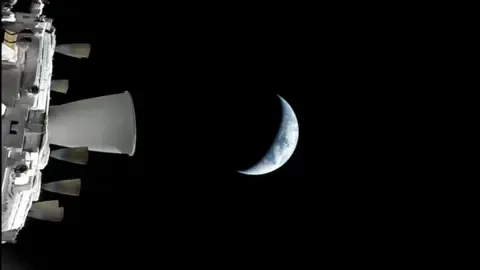
The next major step is the "trans-lunar injection" burn. This powerful push will send them out of Earth's orbit and towards the Moon. It's planned for Thursday night UK time. If there are issues, it could be delayed or canceled. A cancellation would be a big setback for Nasa's goal to land humans on the Moon again by 2028.
If all goes well, the burn will last six minutes. It will send them on a path around the Moon, using lunar gravity to slingshot them back to Earth. They are expected to fly 6,400 miles (10,299km) beyond the far side of the Moon, which always faces away from Earth. This should happen on Monday, April 6.
The astronauts will be the first people to see some areas of the far side. Probes from countries like India and China have documented this region before. The crew will take photographs and make observations for us to learn from back on Earth.