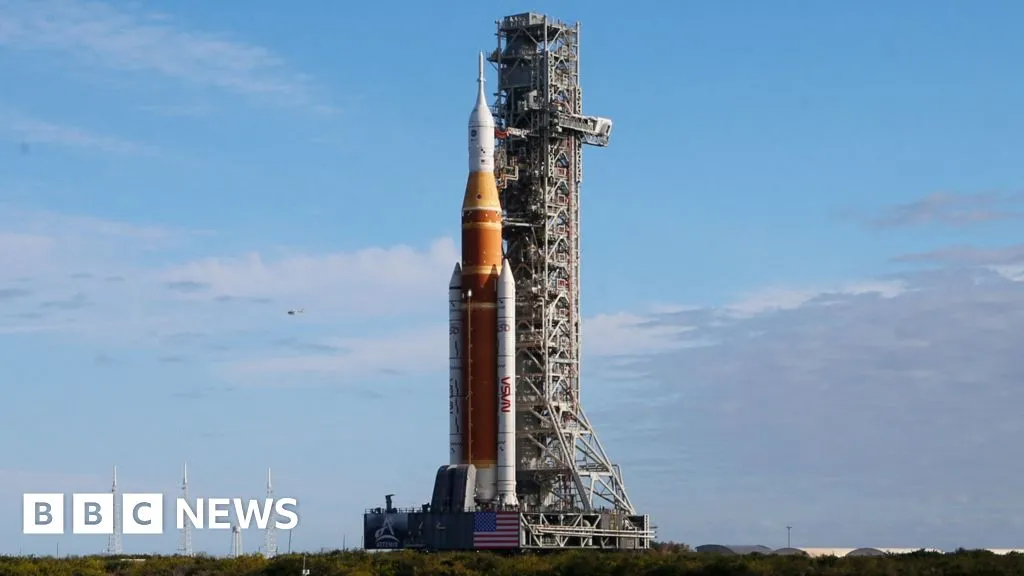
NASA's Space Launch System—a 98-meter tower of engineering that dwarfs most buildings—has arrived at its launch pad in Cape Canaveral, Florida. After nearly 12 hours of careful movement across a 6.5-kilometer journey from the Vehicle Assembly Building, the rocket is now positioned and ready for the final countdown to humanity's return to the Moon.
This isn't a symbolic moment. In the coming weeks, four astronauts—NASA's Reid Wiseman, Victor Glover, and Christina Koch, alongside Canadian astronaut Jeremy Hansen—will sit atop this machine and accelerate toward the lunar orbit. It will be the first crewed Moon mission in more than 50 years, and Artemis II will take them farther from Earth than any human has traveled since the Apollo era ended in 1972.
What Artemis II Will Actually Do
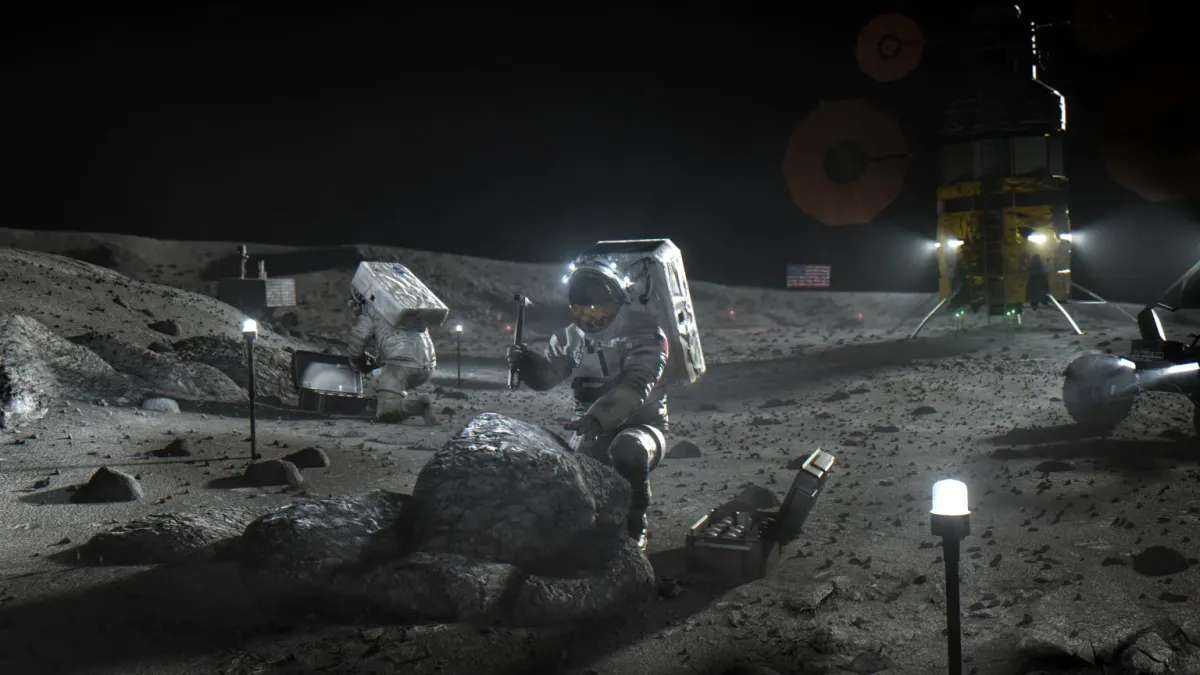
The mission won't land on the Moon—that's reserved for Artemis III. Instead, these four will spend 10 days in lunar orbit, circling the Moon at a distance of roughly 64,000 kilometers. For three of those hours, they'll dedicate themselves to detailed observation: photographing, measuring, and studying the Moon's geology to prepare for future landings at the lunar south pole, a region scientists believe holds water ice and other resources.
We're a new kind of news feed.
Regular news is designed to drain you. We're a non-profit built to restore you. Every story we publish is scored for impact, progress, and hope.
Start Your News DetoxChristina Koch described what awaits them: "We will have the Earth out the window as a single ball, something none of us have seen in that perspective." It's a reminder that this mission is as much about returning human perspective to the Moon as it is about logistics and data collection.
The European Space Agency has built a critical component—the Service Module, manufactured by Airbus in Bremen, Germany—that will provide propulsion, power, and life support for the entire journey. International collaboration has become the architecture of modern space exploration.
The Path Forward
NASA is working through final tests and a full dress rehearsal before committing to launch. The earliest possible liftoff is February 6th, with backup windows extending through April. Every system will be scrutinized; crew safety remains non-negotiable.
This isn't the Moon landing itself—that moment will come later. But it is the deliberate, methodical return to a place humanity once visited and then abandoned for half a century. The rocket is ready. The crew is ready. What happens next will reshape what's possible.