You know that feeling after a workout—sharper, clearer, like your thoughts finally have room to breathe? It turns out your brain isn't just feeling better. It's actually doing the heavy lifting.
A new study in Neuron reveals something counterintuitive: the real gains from exercise happen in your head, not your legs. Scientists at the University of Pennsylvania found that when you train repeatedly, your brain undergoes specific changes that tell your body how to get stronger and more efficient. Without those brain changes, your muscles never adapt—no matter how hard you push.
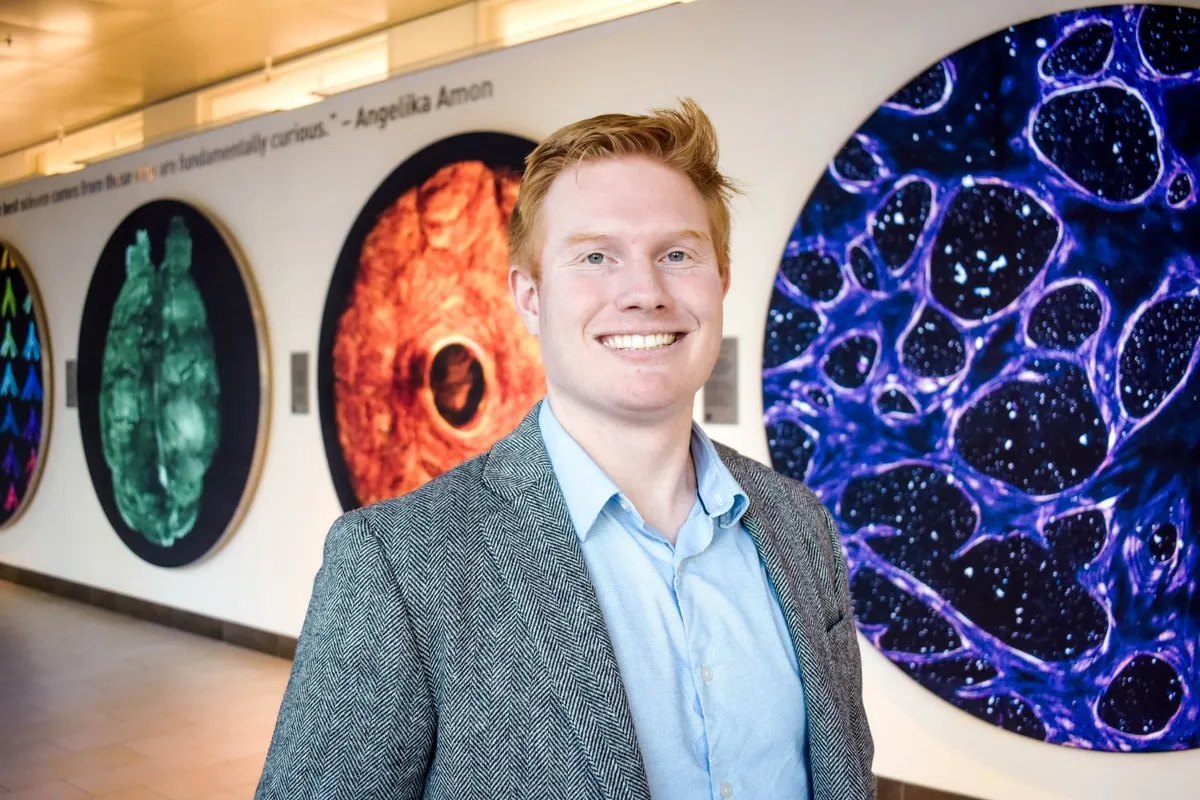
"A lot of people say they feel sharper and their minds are clearer after exercise," says J. Nicholas Betley, who led the research. "So we wanted to understand what happens in the brain after exercise and how those changes influence the effects of exercise."
We're a new kind of news feed.
Regular news is designed to drain you. We're a non-profit built to restore you. Every story we publish is scored for impact, progress, and hope.
Start Your News DetoxHow the Brain Unlocks Endurance
Betley's team studied mice running on treadmills to trace what happens at the neural level. After each workout, activity spiked in a specific brain region called the ventromedial hypothalamus—the part that manages how your body uses and stores energy. More specifically, a set of neurons there called SF1 neurons lit up and stayed active for at least an hour after the mice stopped running.
When the mice trained daily for two weeks, something remarkable happened. More SF1 neurons activated with each session, and the mice could run farther and faster before fatigue set in. Their brains had literally rewired themselves to support better endurance.
But here's where it gets interesting. The researchers then blocked these SF1 neurons entirely. The mice couldn't build endurance, no matter how much they trained. Their bodies seemed to have no signal to adapt.
Then they tried something else: let the neurons work normally during exercise, but shut them down after the workout ended. The result was the same. No endurance gains. This single finding flipped the script on how scientists think about training. The workout itself isn't what builds you up—it's what your brain does in the hours after that counts.
"When we lift weights, we think we are just building muscle," Betley notes. "It turns out we might be building up our brains when we exercise."
The mechanism likely comes down to energy management. Active SF1 neurons after exercise appear to help your body recover more efficiently by improving how it uses stored glucose. That better energy handling gives your muscles, lungs, and heart the breathing room they need to adapt to the stress of training.
The implications stretch beyond gym culture. Betley's team sees potential applications for older adults looking to stay mobile, stroke survivors rebuilding strength, and anyone recovering from injury. If scientists can eventually figure out how to amplify or speed up these post-exercise brain changes, people might see fitness benefits sooner—which could be the nudge that keeps someone actually sticking with exercise.
"This study opens the door for understanding how we can get more out of exercise," Betley says. "If we can shorten the timeline and help people see benefits sooner, it may encourage them to keep exercising."
Next up: understanding whether these same brain mechanisms work in humans the way they do in mice, and whether there's a way to trigger them more efficiently.