When prolonged droughts ravaged the Maya world around 800 CE, centralized power crumbled and city-states fractured. Most civilizations would have collapsed. Instead, the Maya did something smarter: they moved.
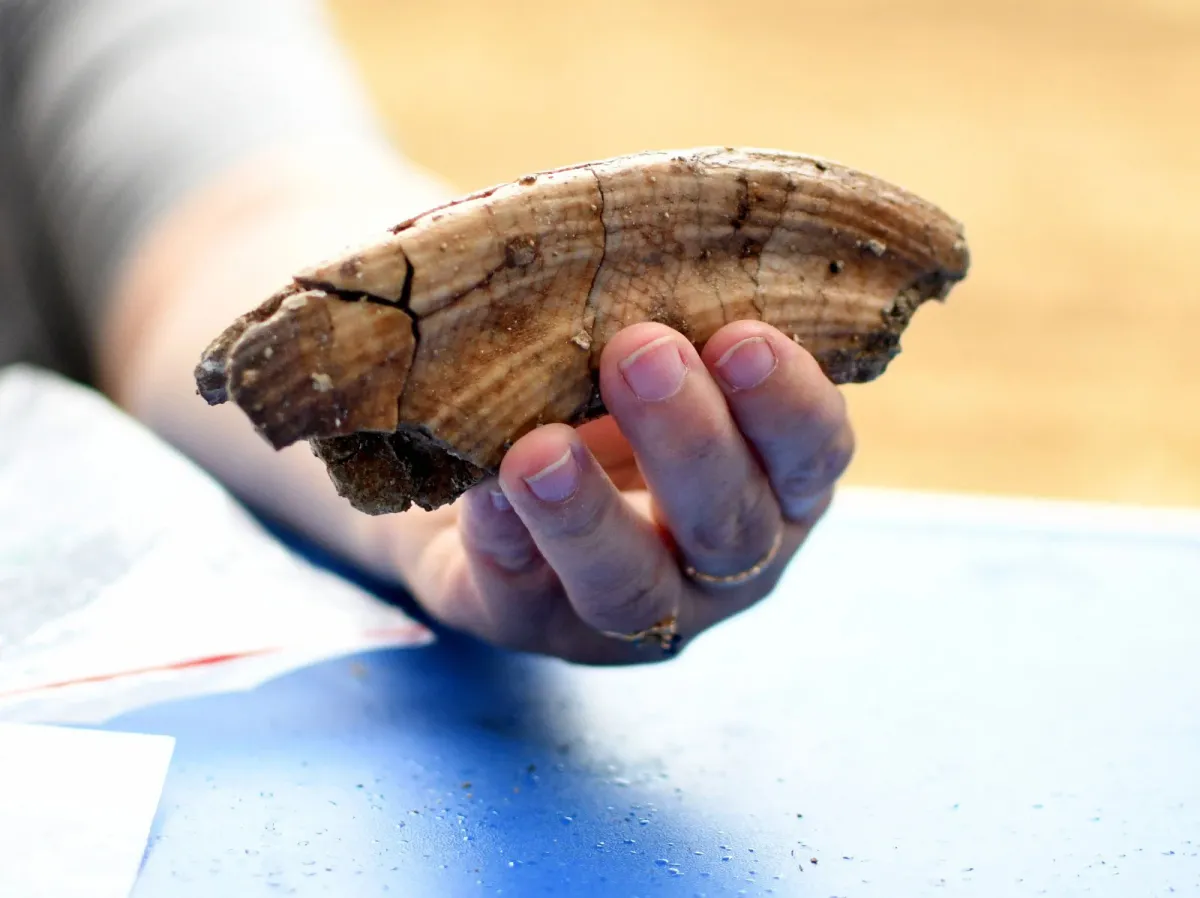
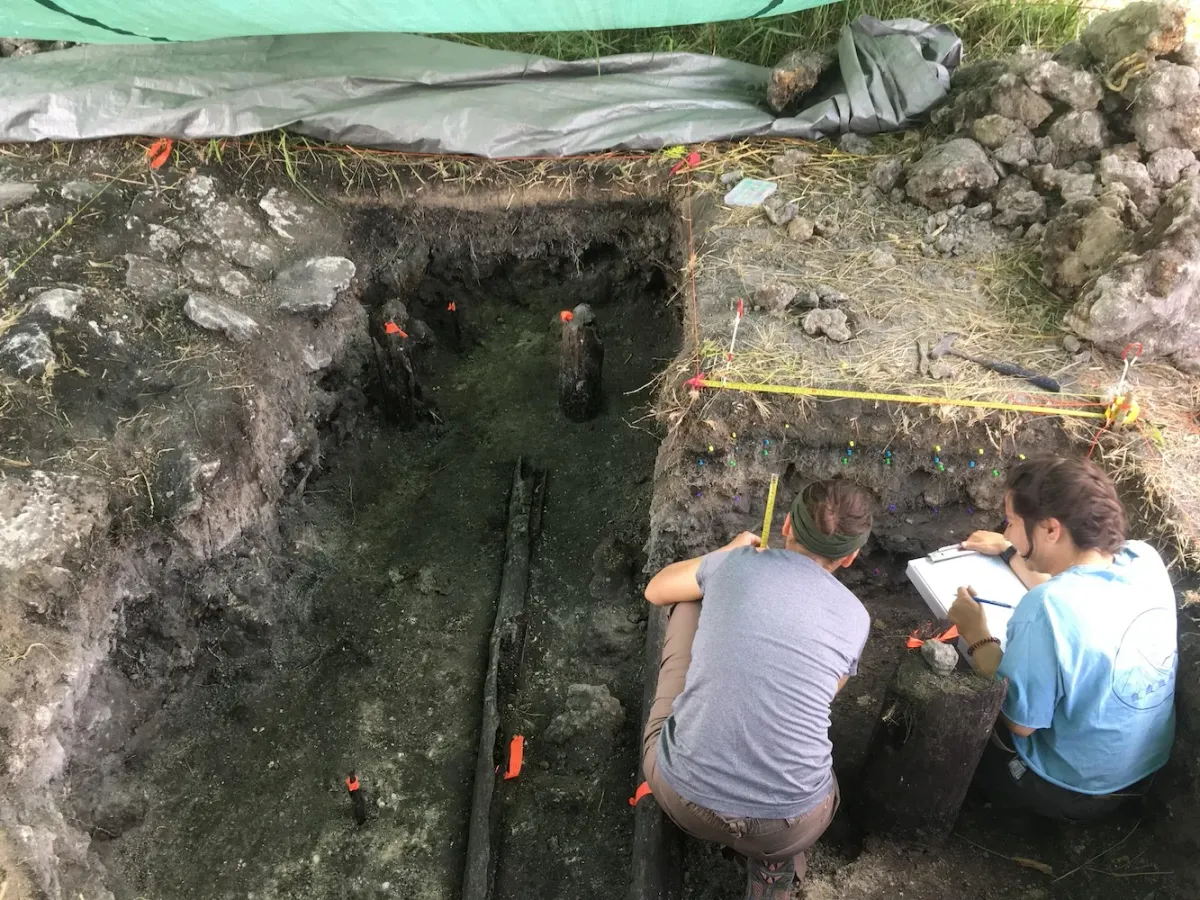
Archaeologists excavating the Birds of Paradise field complex in northwestern Belize found evidence of a community that deliberately relocated from inland cities to the wetlands—and not only survived, but built a thriving settlement there. After 20 years of digging at the Rio Bravo floodplain site, the team uncovered wooden structures, animal bones, and domestic artifacts preserved in conditions that usually destroy organic material. The wetlands, it turned out, were a refuge.
"Our most exciting finding is the remarkable preservation of wooden architecture in a tropical wetland," said Lara Sánchez-Morales, an assistant professor of anthropology at New York University and lead author of the research published this month in the Proceedings of the National Academy of Sciences. Using LiDAR mapping and other advanced techniques, the team documented raised earthen, stone, and wood structures that paint a picture of intentional adaptation.
We're a new kind of news feed.
Regular news is designed to drain you. We're a non-profit built to restore you. Every story we publish is scored for impact, progress, and hope.
Start Your News DetoxWhat makes this discovery genuinely striking is what it reveals about the Maya mindset during crisis. They didn't hunker down and hope conditions improved. They read their environment, identified a viable alternative, and restructured their entire way of living. The wetlands offered new food sources, building materials, and protection from the worst effects of the drought.
"This shows us that Maya communities could shift habitats and persist through climate extremes," noted Timothy Beach, a professor of geography and the environment at the University of Texas at Austin. The settlement pattern shift from inland urban centers to riverine ecosystems wasn't a retreat—it was a calculated pivot.
There's an obvious parallel to our moment. Climate change and unsustainable development are reshaping landscapes worldwide. The Maya example suggests something worth considering: sometimes survival means being willing to change where and how you live, not fighting to preserve the old way. Wetland ecosystems, long treated as wastelands to be drained and developed, may actually be exactly what we need to lean into—not away from.
The question now is whether modern societies will show the same adaptability the Maya did 1,200 years ago.