Scientists just found something wild: a single genetic switch determines whether faba beans can handle frost or wilt in cold weather. Researchers at Germany's IPK Leibniz Institute, publishing in Nature Genetics, identified this one gene locus—think of it like a light switch that's either on or off—and it could speed up breeding hardier varieties for European farms.
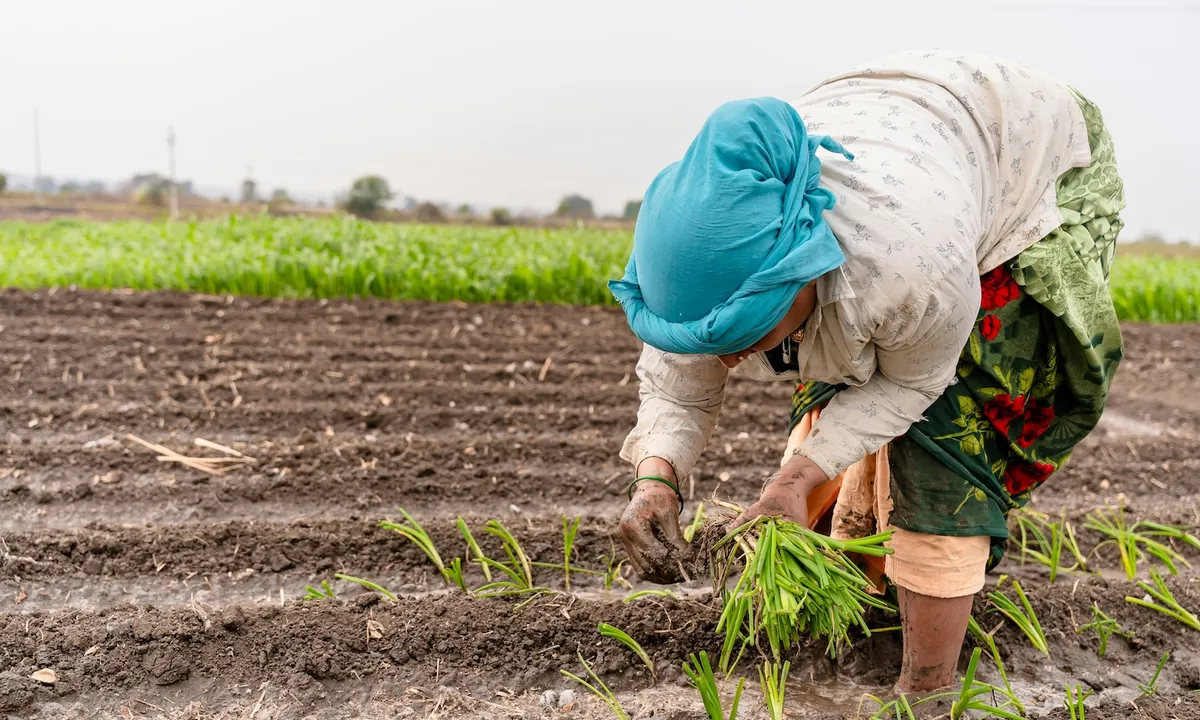
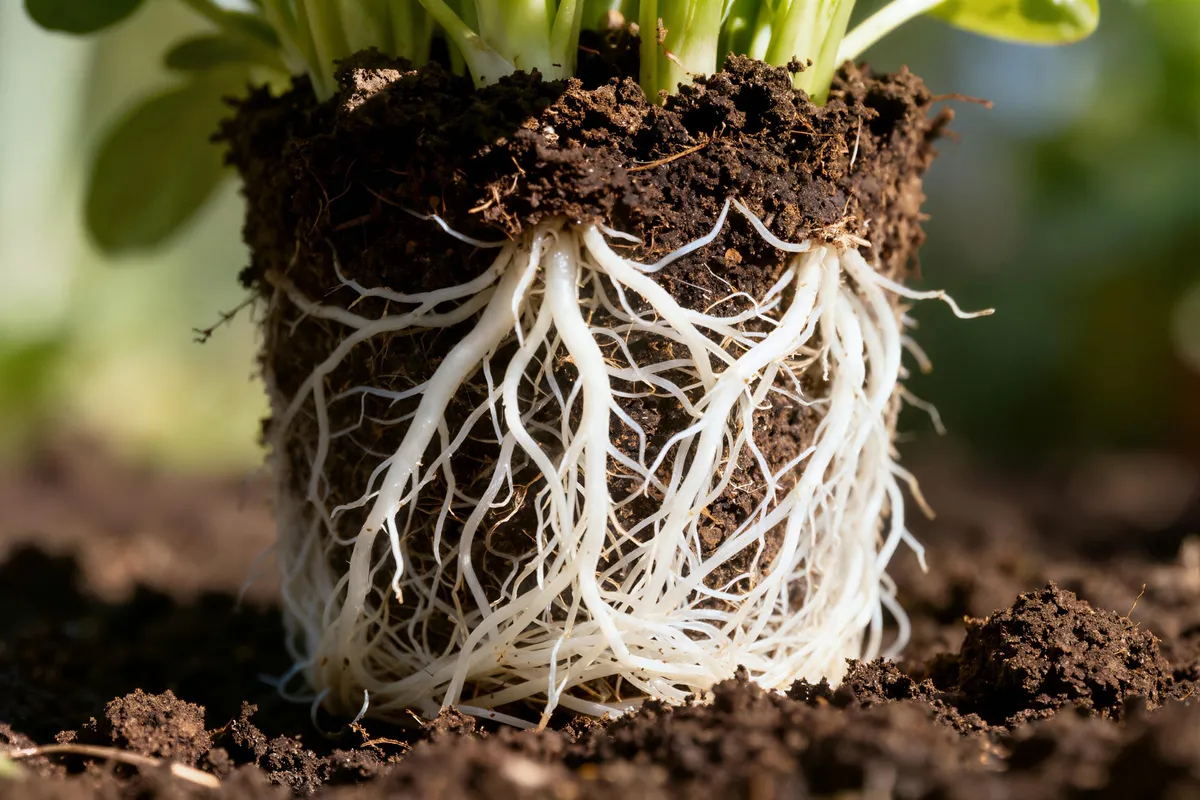
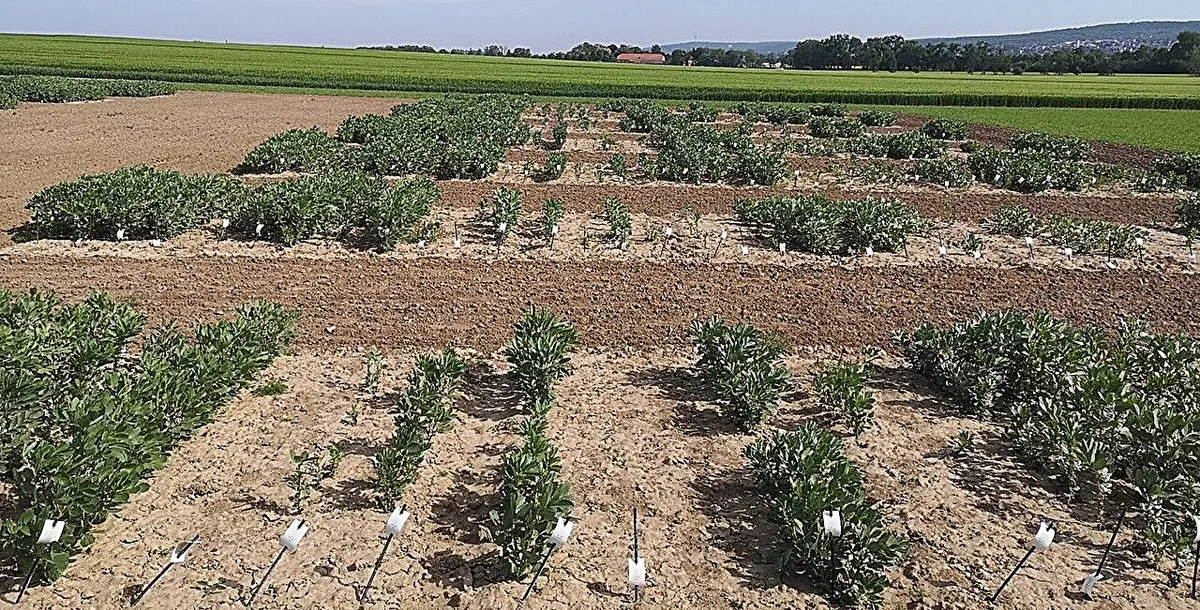
Why this matters: faba beans are basically the protein powerhouse Europe has been overlooking. They're packed with protein, they pull nitrogen from the air and fix it into soil (meaning less synthetic fertilizer needed), and they could replace a lot of the soy we currently import. The catch? Most varieties can't survive winter frost, so farmers have to plant them in spring instead. Winter varieties yield almost 50% more, but they've been hard to develop.
The team started by building a better genetic blueprint for faba beans—think of it as a higher-resolution map of the plant's DNA. Then they compared over 400 winter and summer varieties, hunting for the genetic differences that separate them. What they found was almost too simple to believe: one gene, one location on the genome, controlled the whole thing.
We're a new kind of news feed.
Regular news is designed to drain you. We're a non-profit built to restore you. Every story we publish is scored for impact, progress, and hope.
Start Your News Detox"We were surprised to find that a single allele at a single gene locus is enough to distinguish between winter and summer varieties," said Hailin Zhang, the study's lead author. The gene belongs to a group called CBF/DREB transcription factors—essentially a control center that activates protective mechanisms when temperatures drop. When it's switched on, the plant essentially runs an emergency protocol: thicken cell walls, produce antifreeze-like compounds, prepare for frost.
Here's where it gets interesting: the same gene locus also influences yield stability across different growing conditions. So this single genetic "control center" does double duty—it makes beans winter-hardy and more reliable producers. That's the kind of efficiency breeders dream about.
For European agriculture, this is significant. Winter-hardy faba beans could become a genuine domestic protein source, cutting into soy imports and making farms less dependent on global supply chains. The genetics are now clear. The breeding work comes next—but at least breeders know exactly what they're looking for.