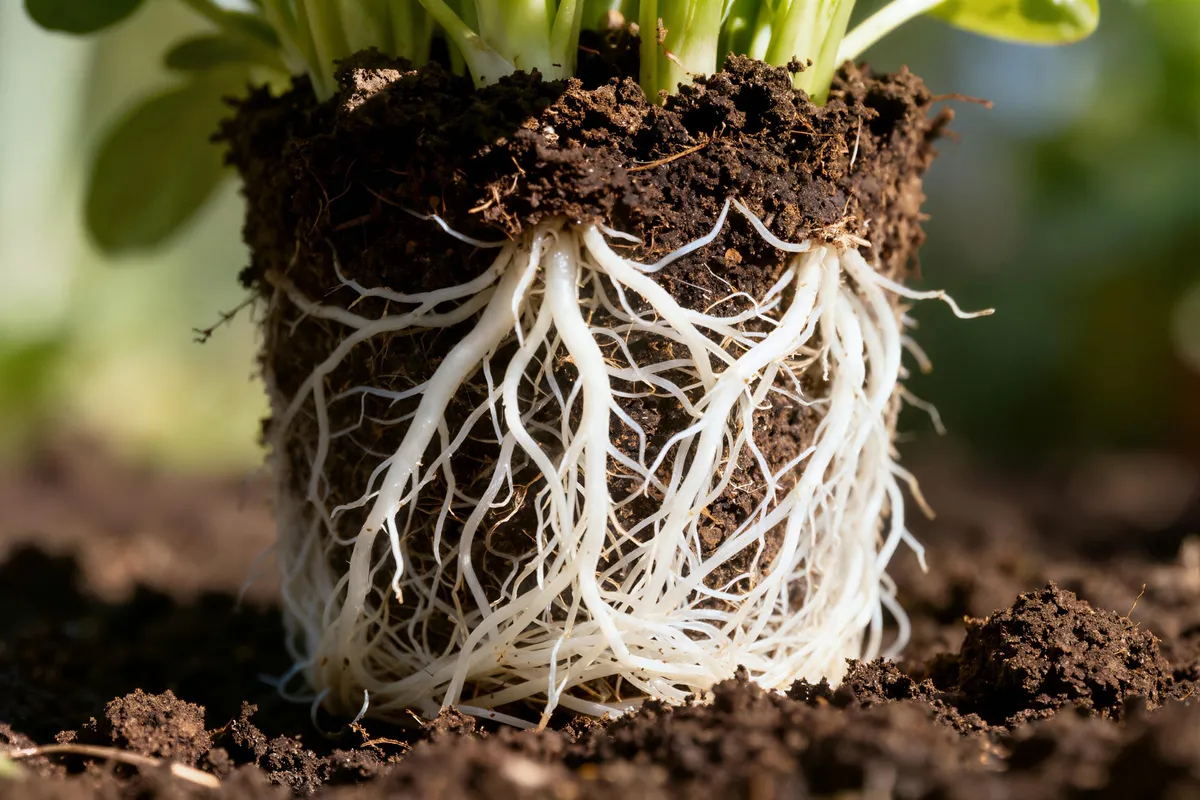
Plants and soil fungi have been trading nutrients for so long that 80% of plant species on Earth now depend on it. Corn, wheat, rice—the crops feeding billions of people—all rely on this ancient handshake. Yet until now, scientists couldn't actually see how the partnership works at the molecular level, where the real negotiation happens.
Researchers at the Boyce Thompson Institute just changed that. Using two complementary techniques, they've finally observed the protein-level choreography that allows plants and fungi to coordinate inside living root cells. It's the first time anyone has watched this 450-million-year-old conversation unfold in the place where it actually matters.
The Invisible Machinery
Proteins are the molecular machinery of cells. For plants and fungi to partner effectively, specific proteins have to physically connect and work together. The problem: these interactions happen in a tiny fraction of root tissue, in specialized cells that are notoriously hard to study.
We're a new kind of news feed.
Regular news is designed to drain you. We're a non-profit built to restore you. Every story we publish is scored for impact, progress, and hope.
Start Your News Detox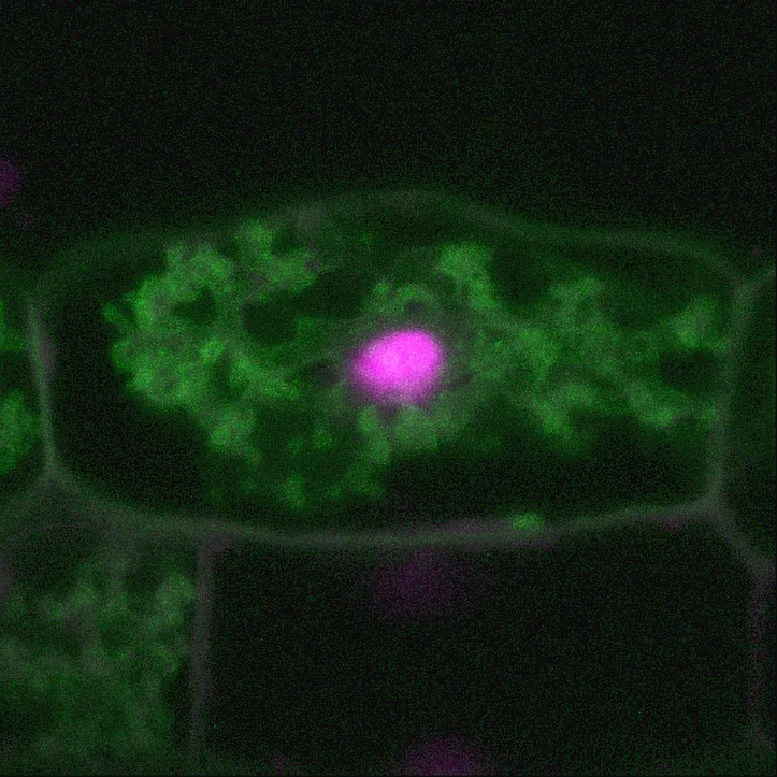
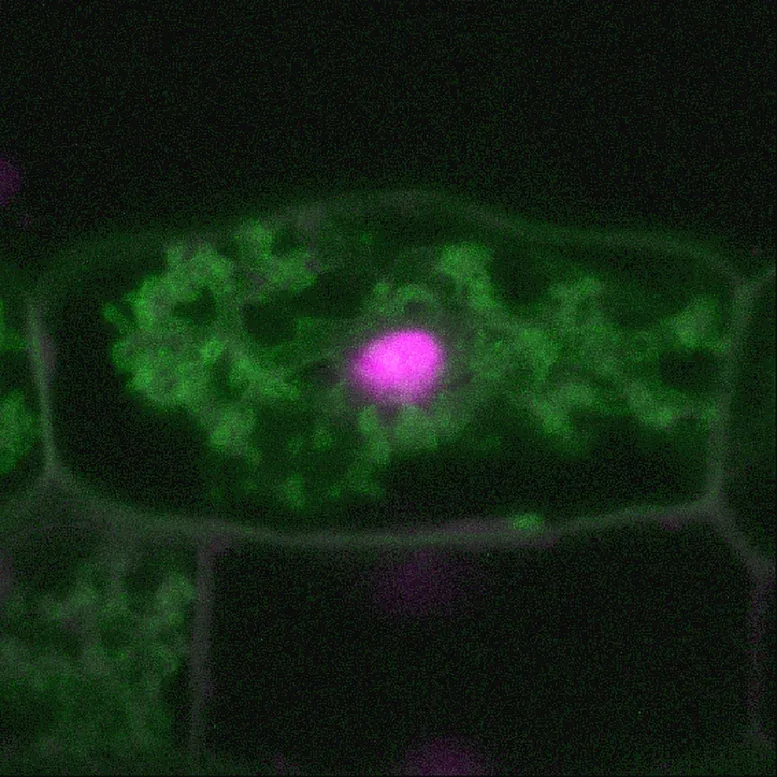
Maria Harrison's team solved this by combining two approaches. The first creates a vast library of plant and fungal proteins, then screens them in yeast cells to identify which ones interact with thousands of potential partners—essentially a molecular dating service. The second technique uses fluorescent proteins that only glow when they physically touch inside living root cells, confirming that the yeast-screen results actually happen in the right place: the periarbuscular membrane where nutrients are exchanged.
"We've known for years that certain proteins are essential for these partnerships, but we couldn't see who they were working with," Harrison said. "These tools let us ask—and answer—those questions in the cells where the partnership actually happens."
To prove the method works, the team focused on a protein called CKL2, which earlier studies showed is essential for the partnership to form. Their screening revealed CKL2 interacts most strongly with members of the 14-3-3 protein family, which help connect other proteins and regulate cellular activity. When researchers reduced 14-3-3 levels in plant cells, fungal colonization dropped by roughly 31%—evidence these proteins are critical to maintaining the relationship.
What makes this breakthrough significant isn't just that we now understand the mechanism; it's that we can now systematically identify which proteins control nutrient exchange and verify them in living roots. The team is sharing their tools with laboratories worldwide, which means the flood of discoveries is just beginning.
Why This Matters for Farming
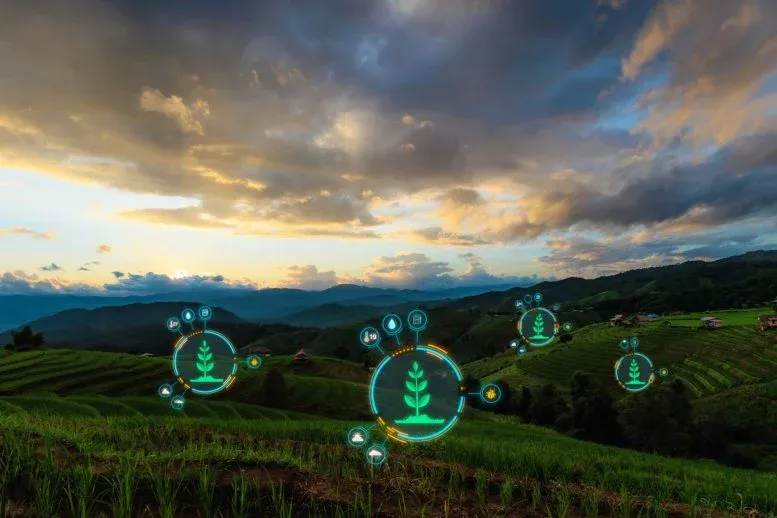
A clearer understanding of plant-fungus coordination opens practical doors. Plant breeders could develop crop varieties that form stronger symbiotic relationships with fungi, allowing them to extract phosphorus and other nutrients more efficiently from soil. That means less synthetic fertilizer—lower costs for farmers and less runoff poisoning waterways.
Beyond nutrient uptake, these partnerships also strengthen plant defenses against disease and environmental stress. As climate change makes growing conditions more unpredictable, crops that can leverage their fungal partners more effectively become more resilient.
The ancient partnership between plants and fungi—one that has sustained life on land for hundreds of millions of years—is finally yielding its secrets to human innovation. What happens next depends on how quickly plant scientists can translate this molecular knowledge into crops that thrive with less chemical input.