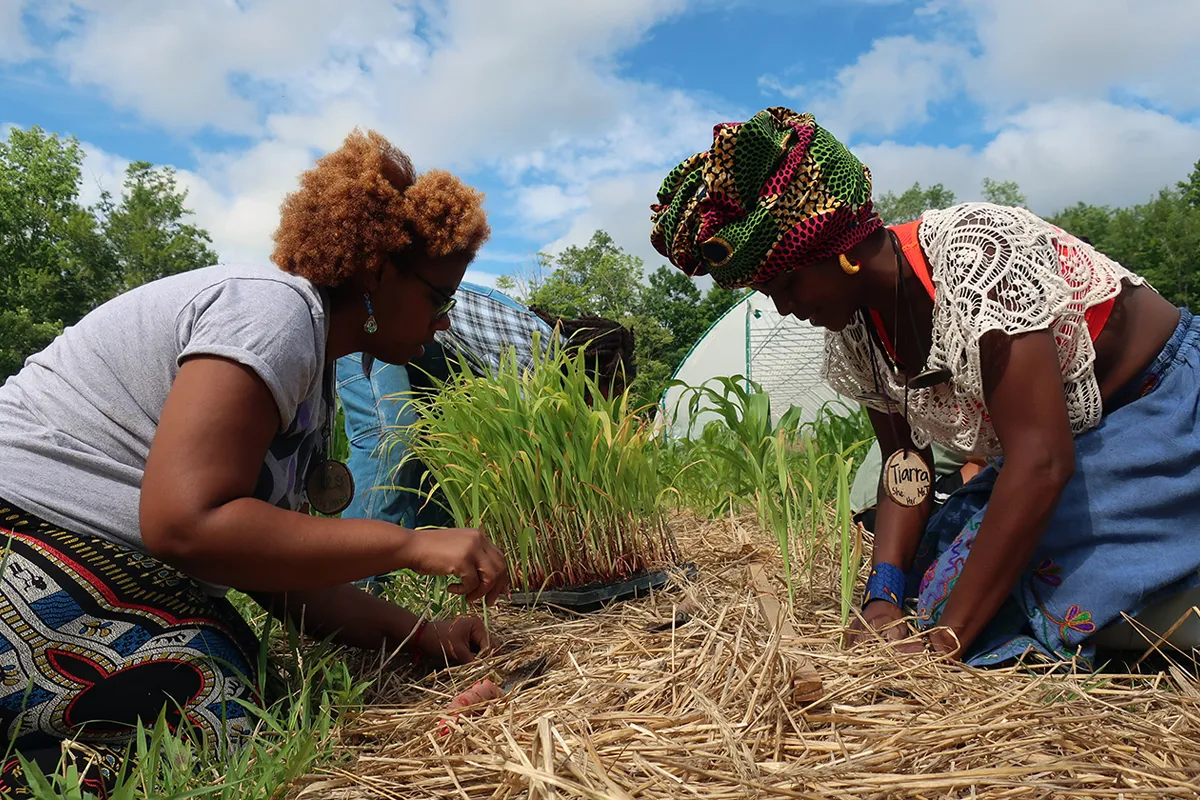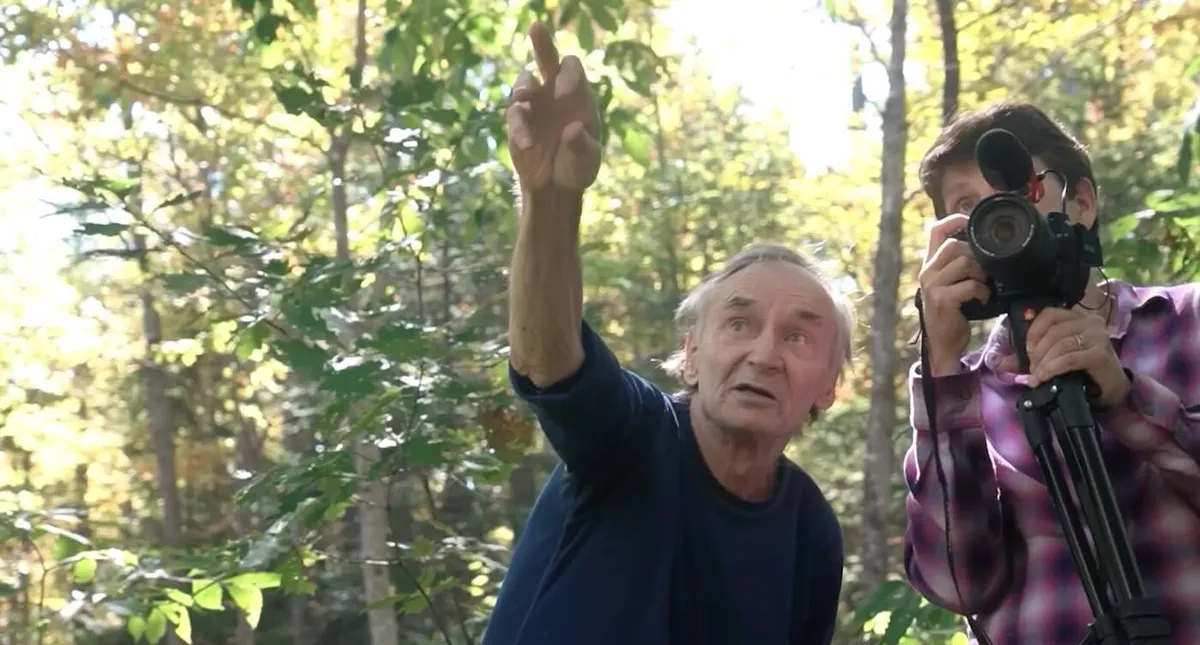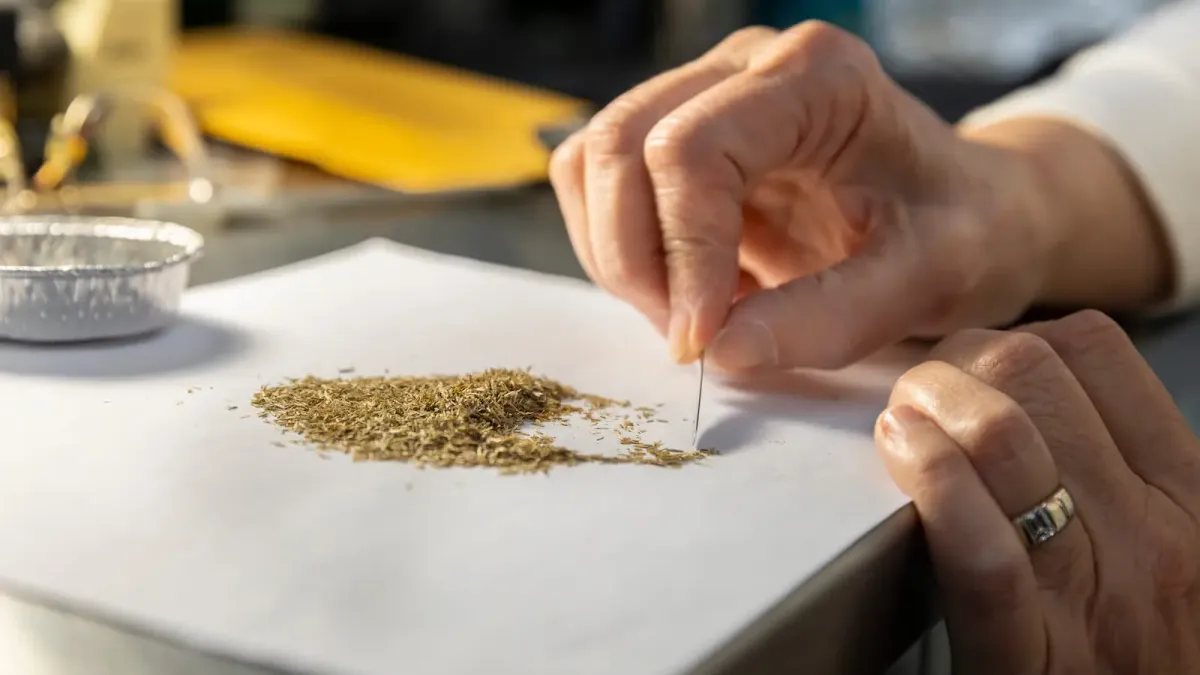
Under a hanging lamp in Chicago, Marty Landorf carefully crumbled a dried black-eyed Susan between her fingers, separating chaff to reveal the tiny black seeds inside. Each one would join roughly 46 million others in the Chicago Botanic Garden's cold storage vault—part of a quiet but urgent effort to rebuild the Midwest's ecological foundation.
These aren't decorative seeds. They're native species that evolved over thousands of years to sustain the region's prairies, wetlands, and woodlands. But they're vanishing from the supply chain precisely when they're needed most. Climate change is intensifying demand for restoration work—more wildfires, more extreme weather, more damaged landscapes—while the seeds themselves remain locked behind technical and economic barriers.
The Gap That's Holding Back Restoration
Last year, the Chicago Botanic Garden launched the Midwest Native Seed Network, bringing together 300 restoration ecologists, land managers, and seed growers across 150 institutions in 11 states. Their first major project was sobering: a survey of 50 partners revealed that over 500 native Midwest species are effectively unavailable for restoration work. Some aren't grown commercially at all. Others exist but cost prohibitively much when restoration projects need thousands of pounds. And for finicky species like bastard toadflax or submerged aquatic plants, the bottleneck is purely technical—no one has yet figured out how to germinate them reliably.
We're a new kind of news feed.
Regular news is designed to drain you. We're a non-profit built to restore you. Every story we publish is scored for impact, progress, and hope.
Start Your News DetoxThis shortage isn't new, but it's accelerating. Between 2000 and 2025, wildfires scorched more than 170 million acres across the U.S. In a single bad fire year, the Bureau of Land Management buys as much as 10 million pounds of seed to restore burned landscapes. Yet federal efforts to build native seed infrastructure, launched after the 2001 Western wildfires, remain incomplete more than two decades later.

Recent investment has grown. The 2021 bipartisan infrastructure law dedicated $200 million to the National Seed Strategy. The Inflation Reduction Act invested $18 million toward an interagency seed bank. The Interior Department allocated $1 million for a national seed bank in 2024. But momentum stalled when the Trump administration cut 10 percent of staff at the National Plant Germplasm System in early 2025—one of the world's largest plant collections—signaling that national-level support remains fragile.
"If something isn't supported on a national level, then it becomes incumbent on states and regions to do that kind of work," said Kayri Havens, chief scientist at the Chicago Botanic Garden. That's the real story here: the Midwest is stepping in where federal infrastructure faltered.

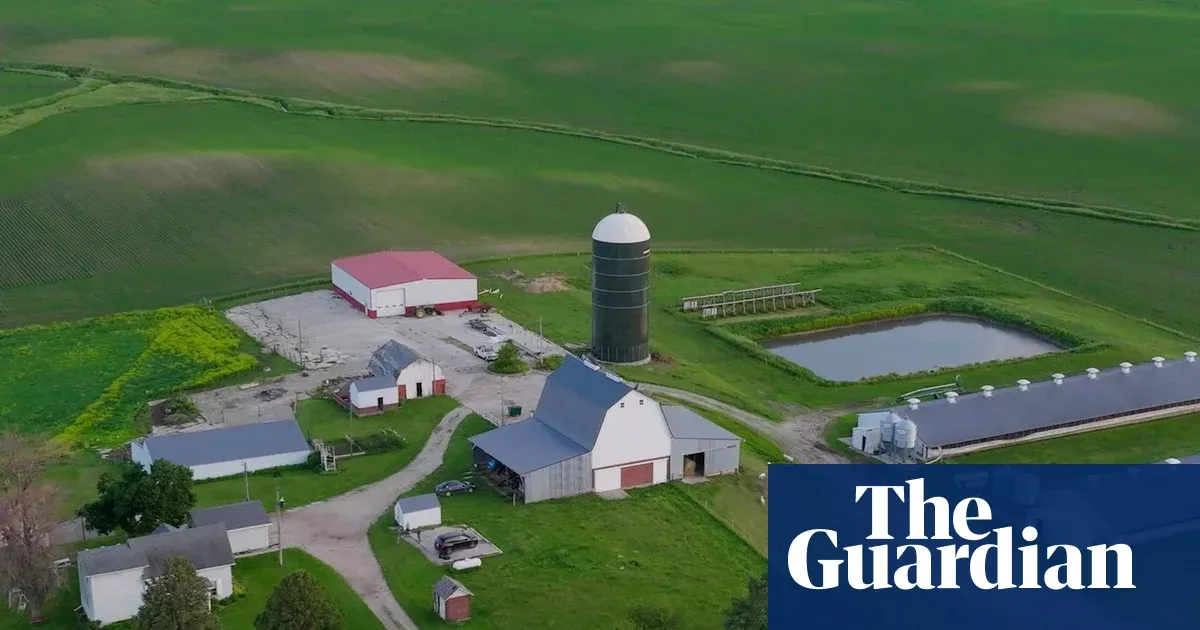
What makes the Midwest Network distinct is its timing and structure. The West has had similar networks for years, emerging from post-wildfire restoration needs and federal land ownership. The Midwest, where over 90 percent of land is private, took longer to organize—but now it's moving fast. The network's real work is connecting the people who need seeds with those who can grow them, compiling research on germination and propagation, and identifying regional gaps that collaborative projects can fill.
Andrea Kramer, director of restoration at the Chicago Botanic Garden, frames the goal simply: "We are using the network to help elevate what we all know and share what we know to make it easier." In 20 years, she hopes to run the same survey and hear a different answer—that restoration teams have access to all the seeds they need, and can move on to harder questions about why those seeds aren't establishing, or how to prepare for the next climate shift.

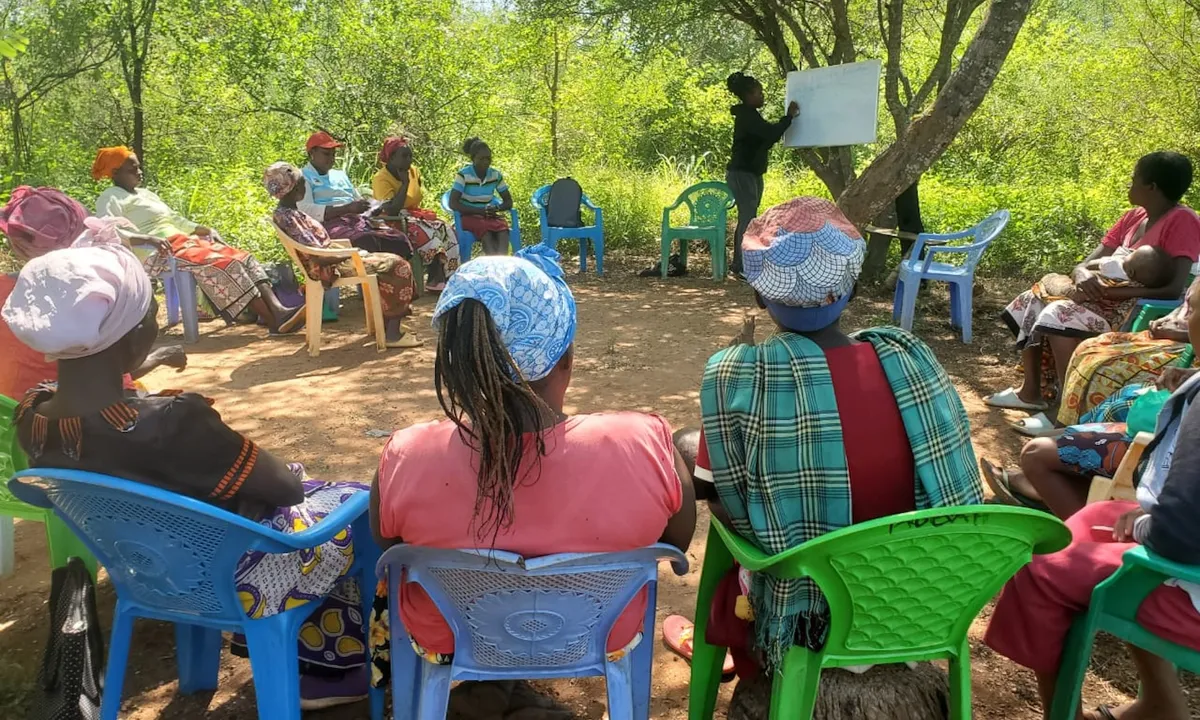
For now, the work is unglamorous: volunteers cleaning seeds, researchers testing germination protocols, land managers sharing data about what actually grows in their region. But it's the infrastructure that makes restoration possible at scale. Without it, even well-funded restoration projects hit a wall. With it, the Midwest can begin rebuilding the ecosystems that stabilize soil, filter water, and support the species that depend on them.