Over the past six years, Black farmers in America have been simultaneously breaking new ground and fighting old battles. They're pioneering climate-resilient farming methods, reclaiming ancestral land, and building food systems rooted in justice—all while navigating a landscape of broken promises, federal cuts, and systemic barriers that have persisted for generations.
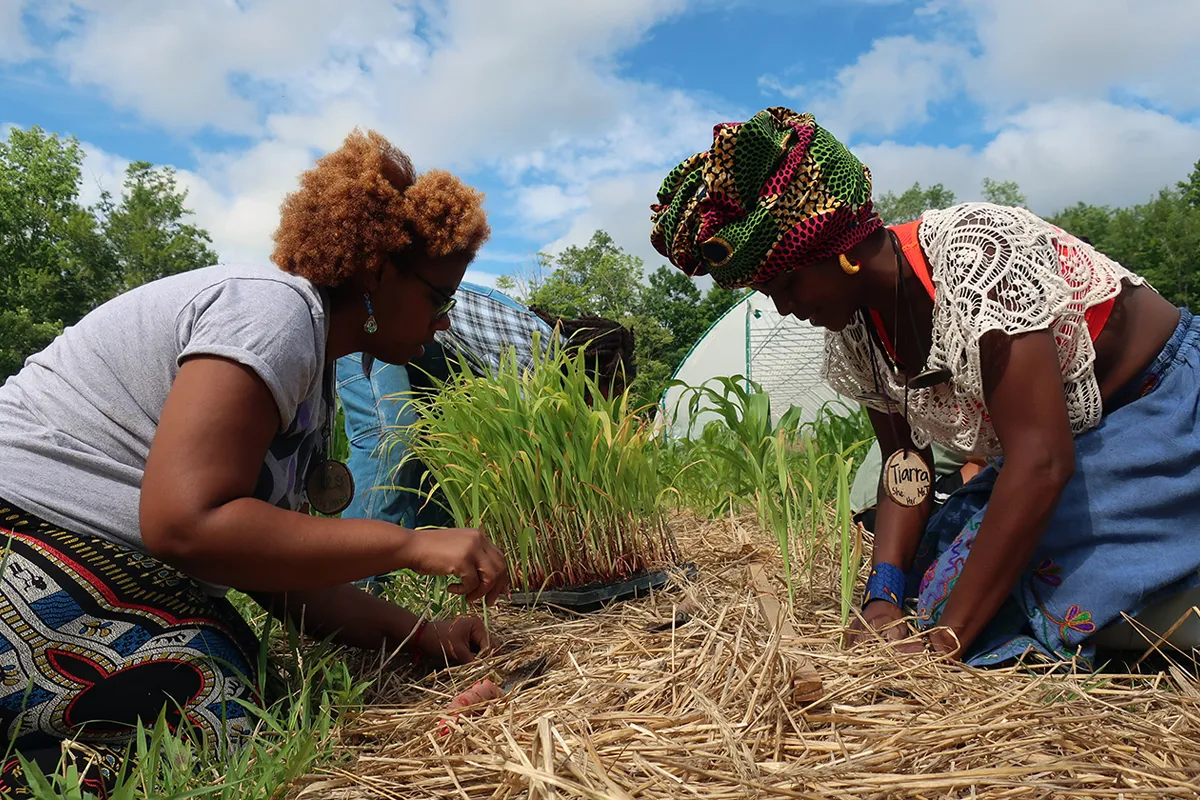
The innovations are real and spreading. California's Ujamaa Farmer Collective, founded by Nelson Hawkins, Keith Hudson, and Nathaniel Brown, received grant funding to help farmers of color start or expand farming businesses on newly accessible land. In rural Maryland, a Black-led agricultural corridor is taking shape, weaving together community building with climate resilience. Down South, Jubilee Justice grows rice regeneratively while directly reclaiming historical ground—farming as both ecological restoration and reckoning.

The Heirloom Gardens Project takes a different approach: recording the stories of elder farmers, preserving Black and Indigenous food traditions before they're lost. These aren't just historical exercises. They're recognizing that communities of color aren't simply most vulnerable to climate change—they're among the most innovative problem-solvers.
We're a new kind of news feed.
Regular news is designed to drain you. We're a non-profit built to restore you. Every story we publish is scored for impact, progress, and hope.
Start Your News DetoxThe gap between promise and reality
But here's where the story gets complicated. Debt relief promised to Black farmers after the 2020 election hasn't materialized for many. A two-year research project examining litigation against the USDA revealed the distance between legal promises and what farmers actually experience. In Arkansas and across the Cotton Belt, farmers navigate court battles and red tape that many view as ongoing systemic discrimination.
Young farmers of color—particularly queer farmers—report high rates of racism and sexism in farm communities, even as they work to shift that culture. And when regenerative agriculture gained momentum as a movement, some BIPOC farmers questioned whether it was simply rebranding their own generations-old practices without inviting them to the table.
Recent federal cuts have canceled nearly two dozen farm and food resilience initiatives, from solar-powered greenhouses to wild rice projects. The Southern Farmers Financial Association, which could serve as a lifeline for Black farmers and rural communities, now faces jeopardy.
Persistence without guarantees
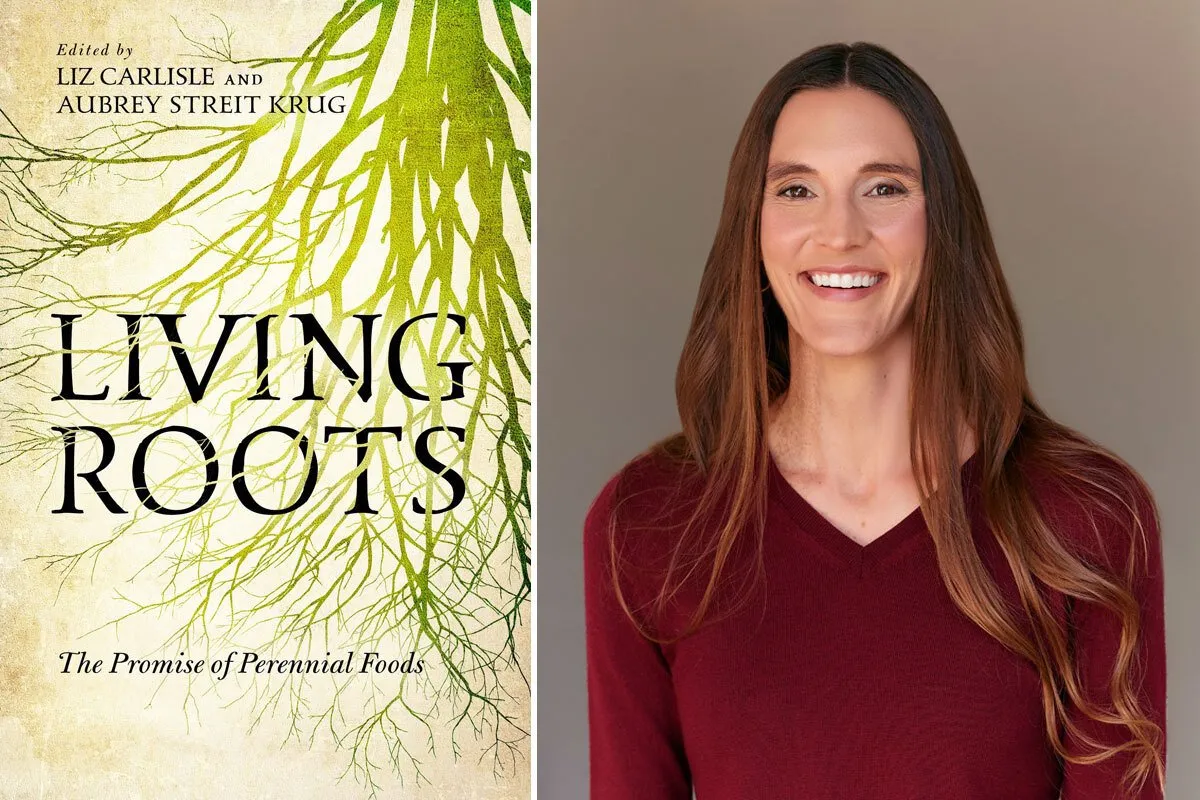
Yet the work continues. At 91, Eva Clayton—North Carolina's first Black congresswoman—still speaks publicly about gerrymandering, hunger relief, and farmers' rights. Brea Baker, author of Rooted: The American Legacy of Land Theft and the Modern Movement for Black Land Ownership, keeps the conversation about reparations and land justice at the center of any serious vision for agricultural equity.
Black farmers in Kansas have sustained their land and communities through generations of sustainable farming. They know what resilience looks like. The question now is whether federal support will increase—as it should—or continue to shrink. The answer will determine whether these innovations take root at scale or remain isolated victories in a system still rigged against them.