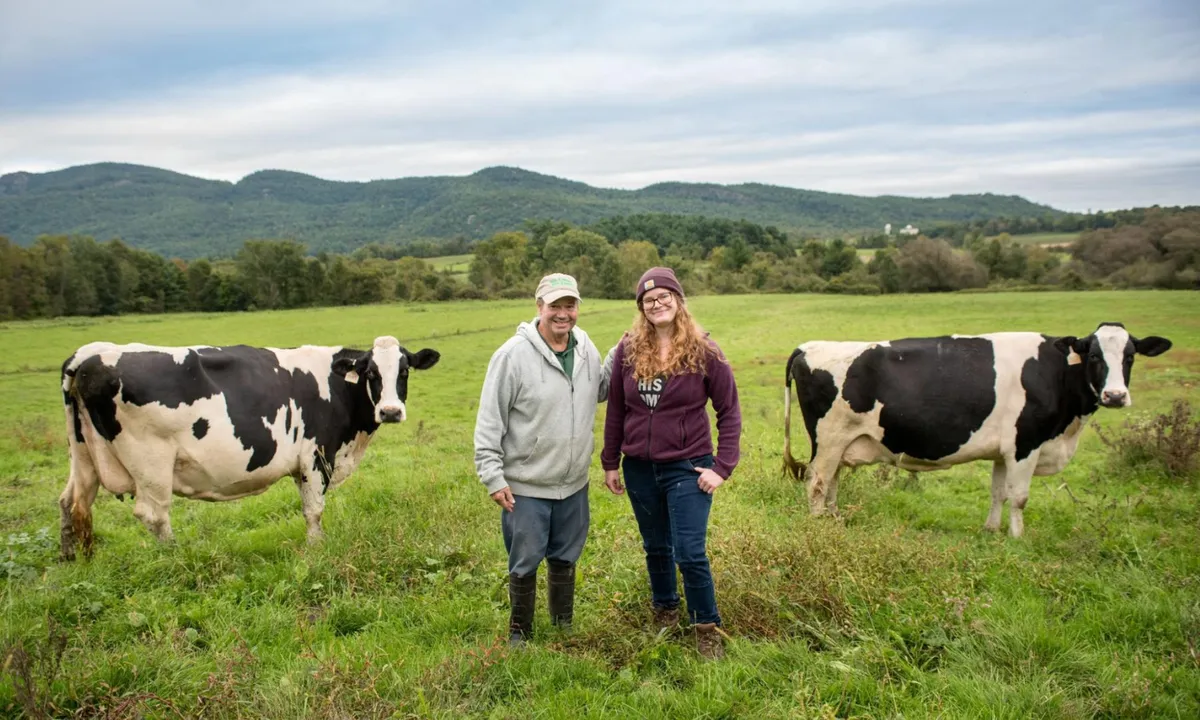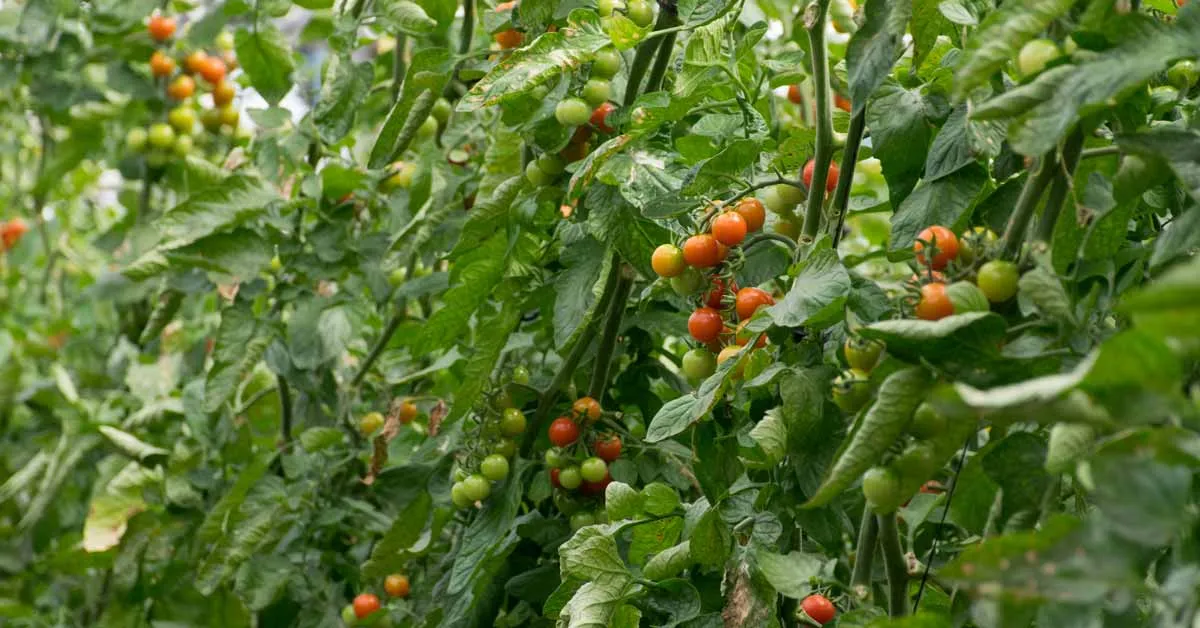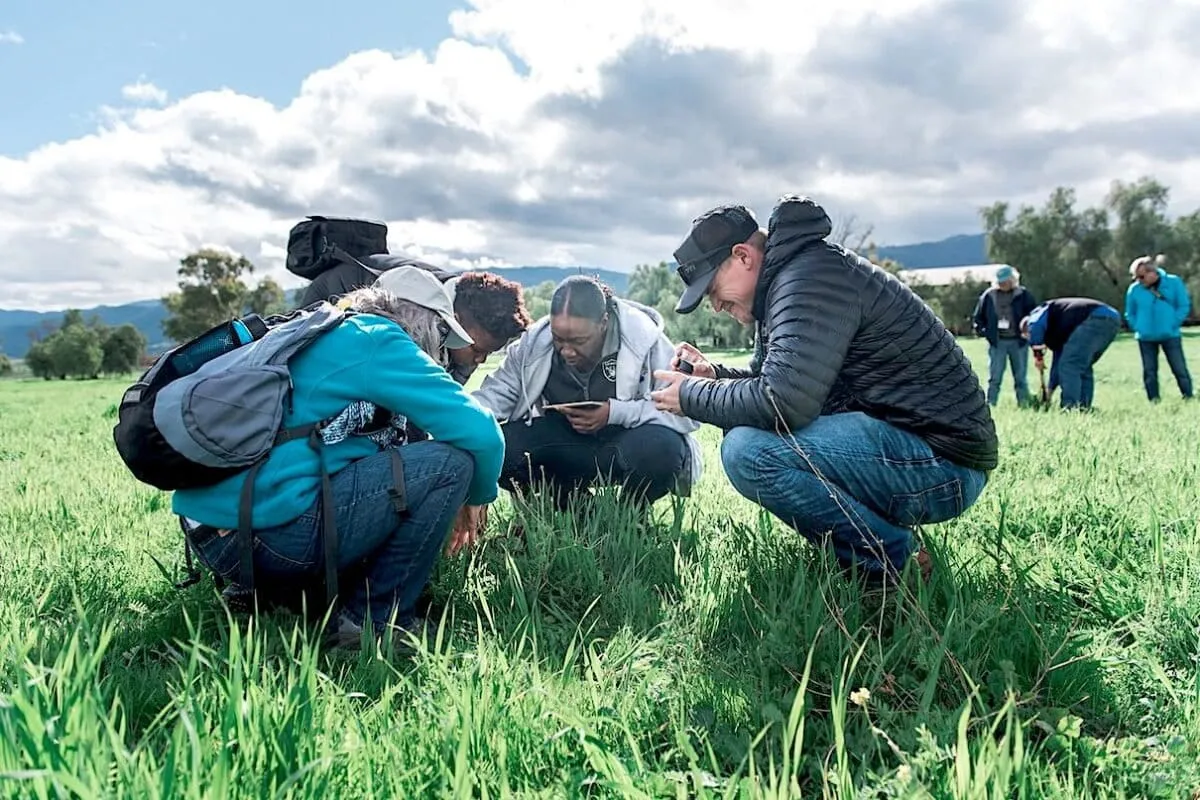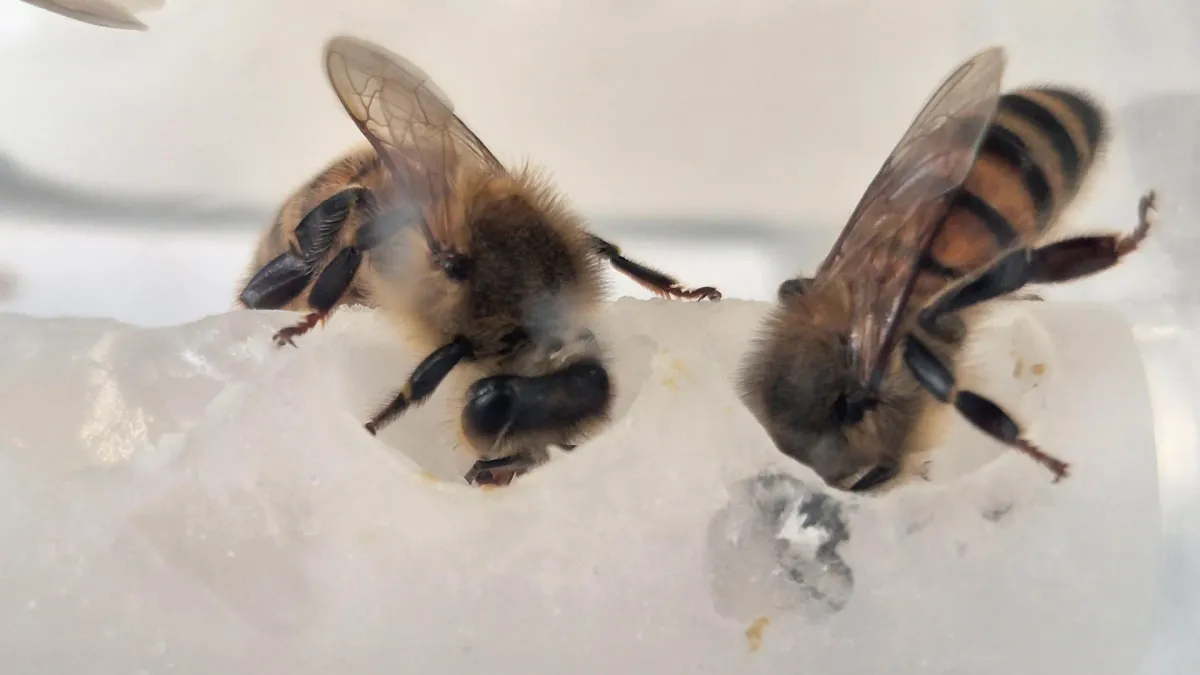
The U.S. food system runs like fast fashion. Plant, harvest, repeat—every single year. Corn, wheat, rice, soybeans: all annuals, all gone after one season. They're grown in rough conditions, processed into cheap products, shipped globally on fossil fuels. It's efficient at scale. It's also exhausting the soil.
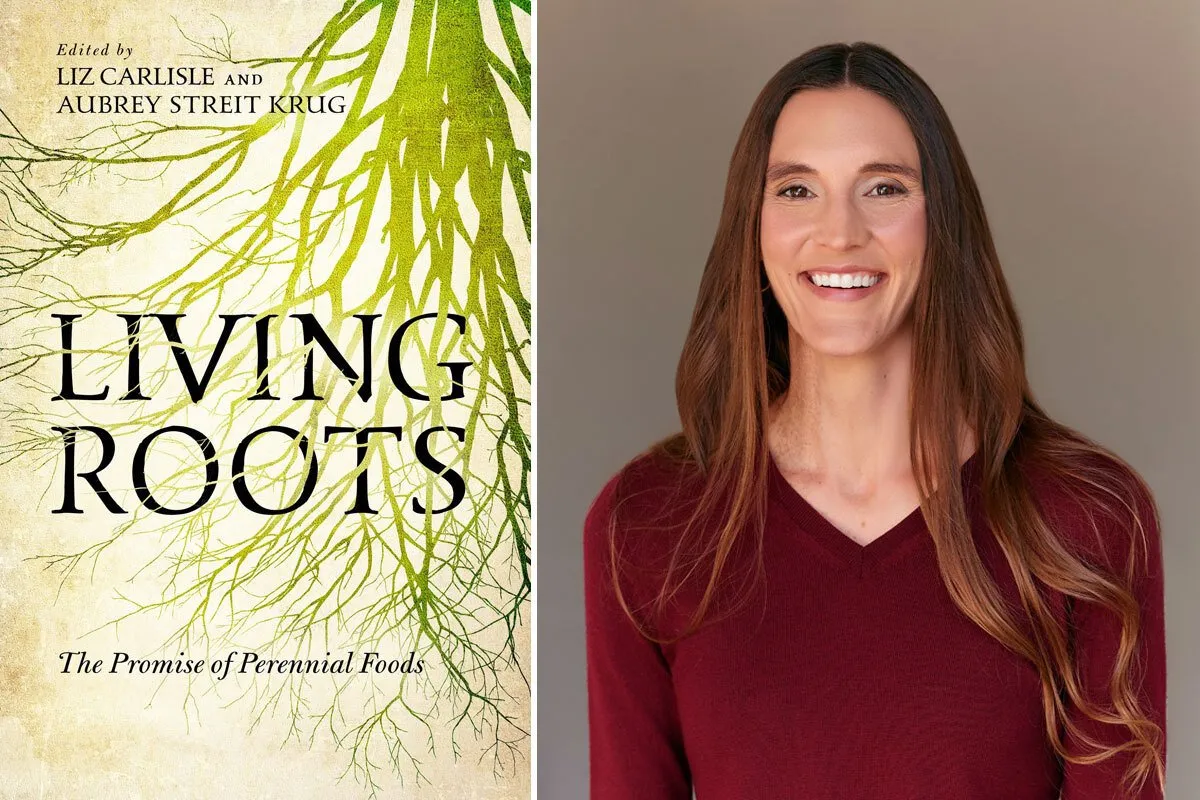
But there's a different way to think about feeding people. What if we planted crops that stayed in the ground year after year, their roots deepening, their systems strengthening? That's the premise of Living Roots: The Promise of Perennial Foods, a new book edited by agroecologist Liz Carlisle and Aubrey Streit Krug. It collects 34 essays from Indigenous leaders, farmers, scientists, and chefs making the case that perennials could reshape American agriculture.
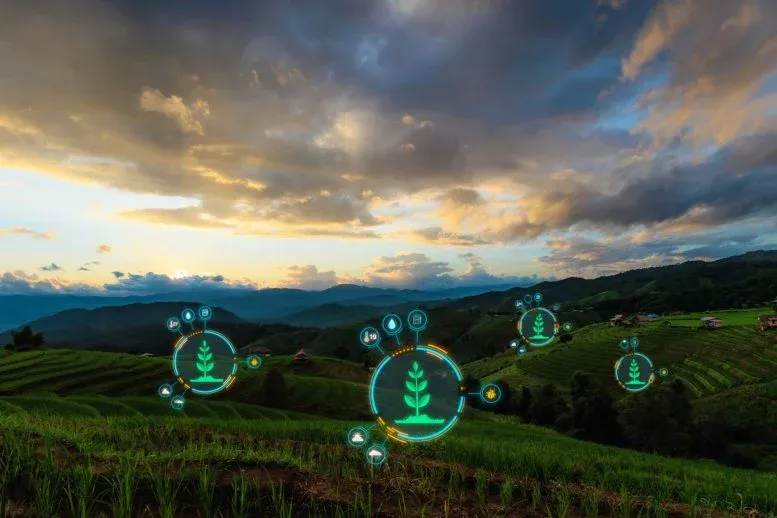
The science is straightforward. Perennial crops—fruit and nut trees, forage grasses, grains like Kernza—have deep root systems that pull carbon from the atmosphere and lock it underground. They hold soil in place, prevent erosion, build organic matter, and support biodiversity. The people who eat them tend to be healthier too.
We're a new kind of news feed.
Regular news is designed to drain you. We're a non-profit built to restore you. Every story we publish is scored for impact, progress, and hope.
Start Your News DetoxStories already in motion
Across the country, this isn't theoretical anymore. On the Cheyenne River Reservation in South Dakota, Indigenous communities are restoring buffalo herds on native grasslands. In Montana, researchers on Blackfeet land are studying the sacred serviceberry. Southeast Atlanta has an urban food forest. A Minnesota farmer raises chickens under a protective canopy of hazelnut trees. Scientists are developing perennial versions of rice, sorghum, and silphium—and testing prairie strips, small perennial patches within annual crop fields, to measure their ecological impact.
Yet adoption has been slow. Crop insurance policies don't favor perennials. Market structures aren't built for them. Land tenure issues complicate long-term investment. A farmer can't easily get insurance for a hazelnut tree that takes years to mature, or sell a perennial grain that doesn't fit existing supply chains.
Carlisle, who teaches at UC Santa Barbara, sees the barriers clearly. But she also sees momentum building. Community organizations and Indigenous-led initiatives are sharing knowledge and resources. Climate chaos and market volatility are pushing farmers to look for alternatives. The chaos itself is becoming an opening.
The perennial movement isn't about waiting for perfect conditions. It's about addressing both immediate needs—better soil health, lower input costs—and long-term resilience. A hazelnut canopy feeds chickens today and sequesters carbon for decades. A restored prairie strip prevents erosion this year and supports pollinators for generations.
Carlisle emphasizes that this requires policy change: crop insurance reform, research funding, land access programs. It also requires what's already happening—communities experimenting, farmers learning from each other, Indigenous knowledge guiding the way forward. As perennial-focused efforts continue to spread, the conversation is shifting from "Can we do this?" to "How do we scale it?"