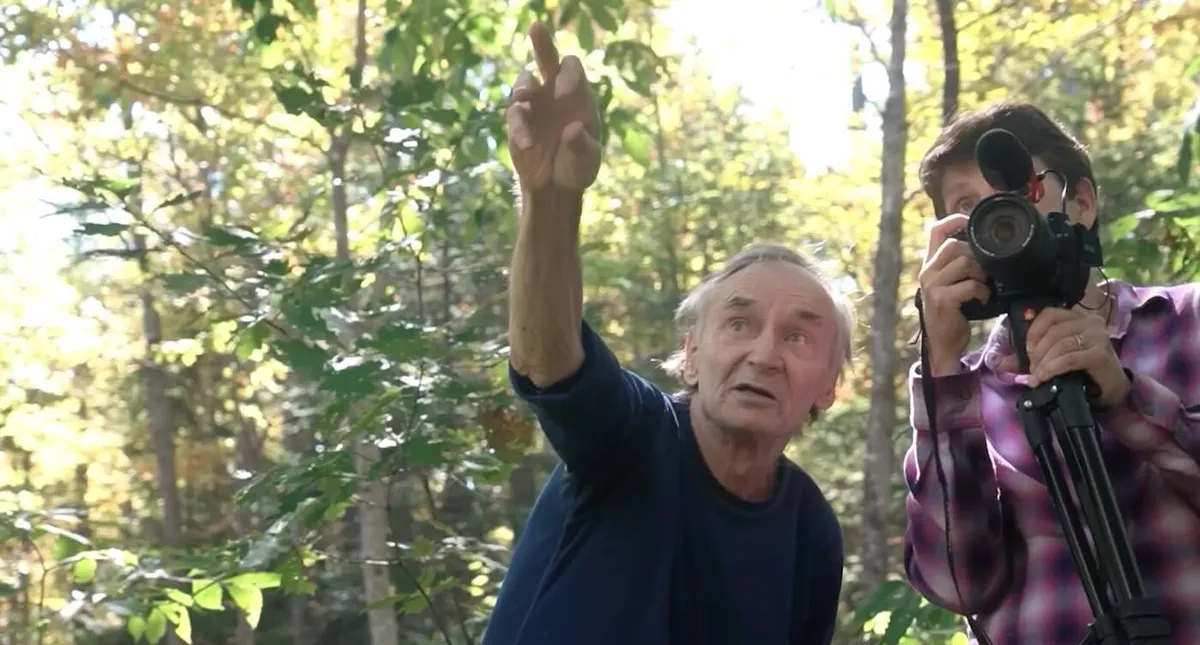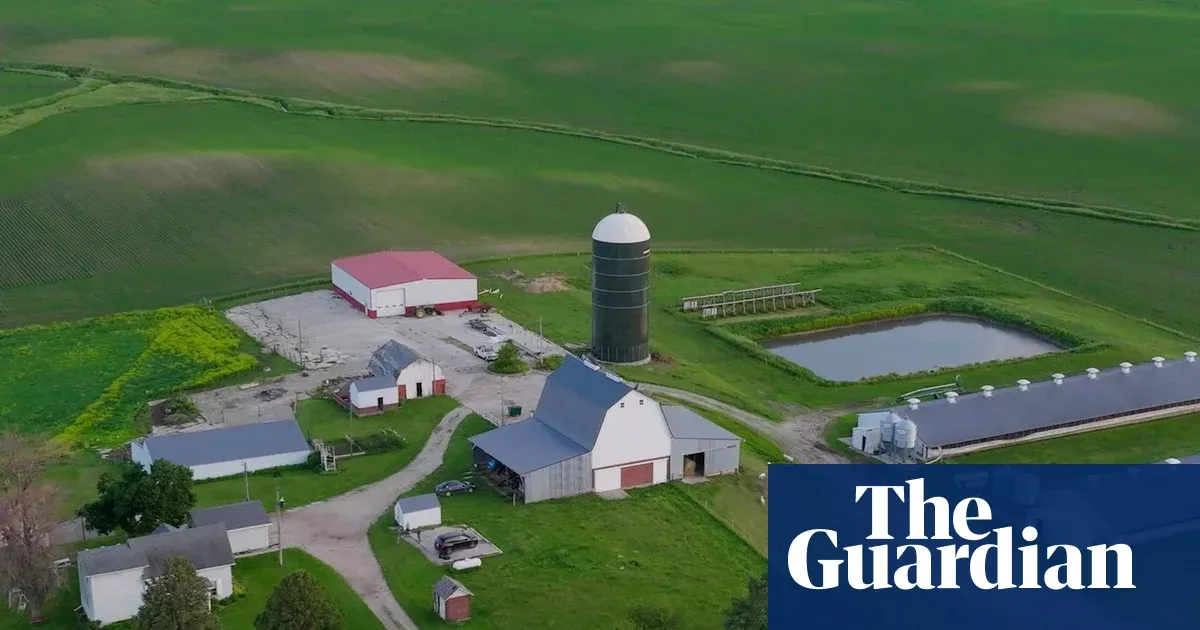
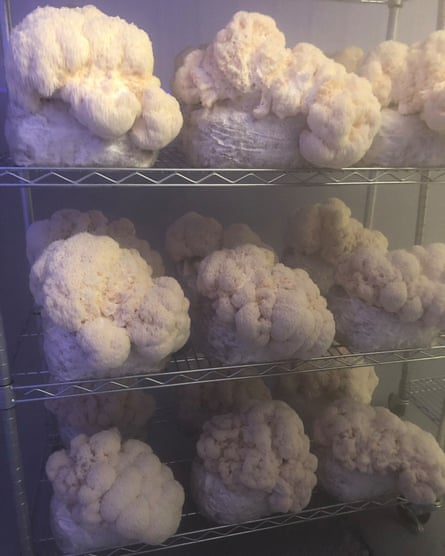
Tanner Faaborg is a sixth-generation Iowa farmer. Six months ago, he was raising over 8,000 pigs a year. Now he grows lion's mane and oyster mushrooms in controlled indoor systems, selling tinctures and salts directly to customers online through his business, 1100 Farm.
His brother thought he'd lost his mind.
"My older brother has worked with pigs his entire adult life, managing about 70,000 of them across five counties," Faaborg says. "But we got to a point where he went from laughing at me to saying: well, I guess maybe I'll quit his job and help you out."
What changed his brother's mind wasn't ideology. It was economics and exhaustion.
We're a new kind of news feed.
Regular news is designed to drain you. We're a non-profit built to restore you. Every story we publish is scored for impact, progress, and hope.
Start Your News Detox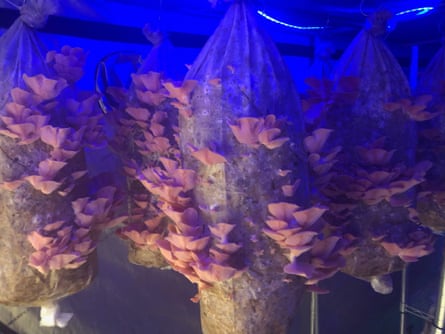
The Faaborg family's shift reflects a quiet restructuring happening across rural America. About a decade ago, small-town populations began declining as young people moved to cities for work. Meanwhile, farmers who'd adopted the concentrated animal-feeding operation (CAFO) model—where large corporations own the animals, the feed, and the distribution chains while contracting out the actual labor—found themselves locked into debt and dependent on decisions made elsewhere.
"We used to have all these independent farms," Faaborg explains, "but people with money felt it was important to own every facet of the operation."
That model extracted a toll beyond finances. The loss of autonomy, the repetitive work, the sense of being trapped in someone else's system—it wore on the family's mental health. The transition to mushrooms wasn't driven by a desire to be trendy or sustainable in the abstract sense. It was driven by the need to breathe.
The Transfarmation Project, a nonprofit that works with farms across the U.S. to move away from industrial animal agriculture, helped make the shift possible. Katherine Jernigan, the organization's director, notes that Faaborg's brother has become "the most dedicated" to the new mushroom operation. The skeptic became the believer.
A Path Others Can Follow
What makes the Faaborg story matter isn't just that one family found a better way. It's that they're the kind of family that shouldn't have been able to. They're not wealthy. They're not ideological. Tanner's father was a welder for 40 years. His parents resisted change. They had hog barns for over 30 years.
"We're not like a hippy family, or a rich family who had spare money and said: 'Yeah, this will be fun,'" Faaborg says. "But if our family can do it, any family can do it."
That matters because it suggests the constraints holding farmers in place aren't inevitable. They're structural—and structures can shift. As more families like the Faaborgs demonstrate that a different model works, the pressure on the old system increases. The story isn't about mushrooms. It's about what happens when farmers reclaim control of their own land and their own futures.