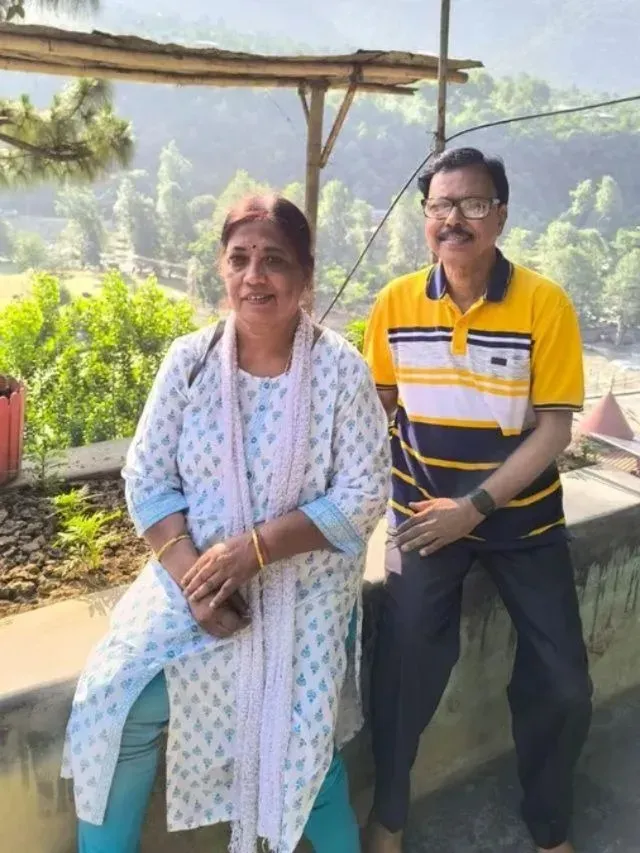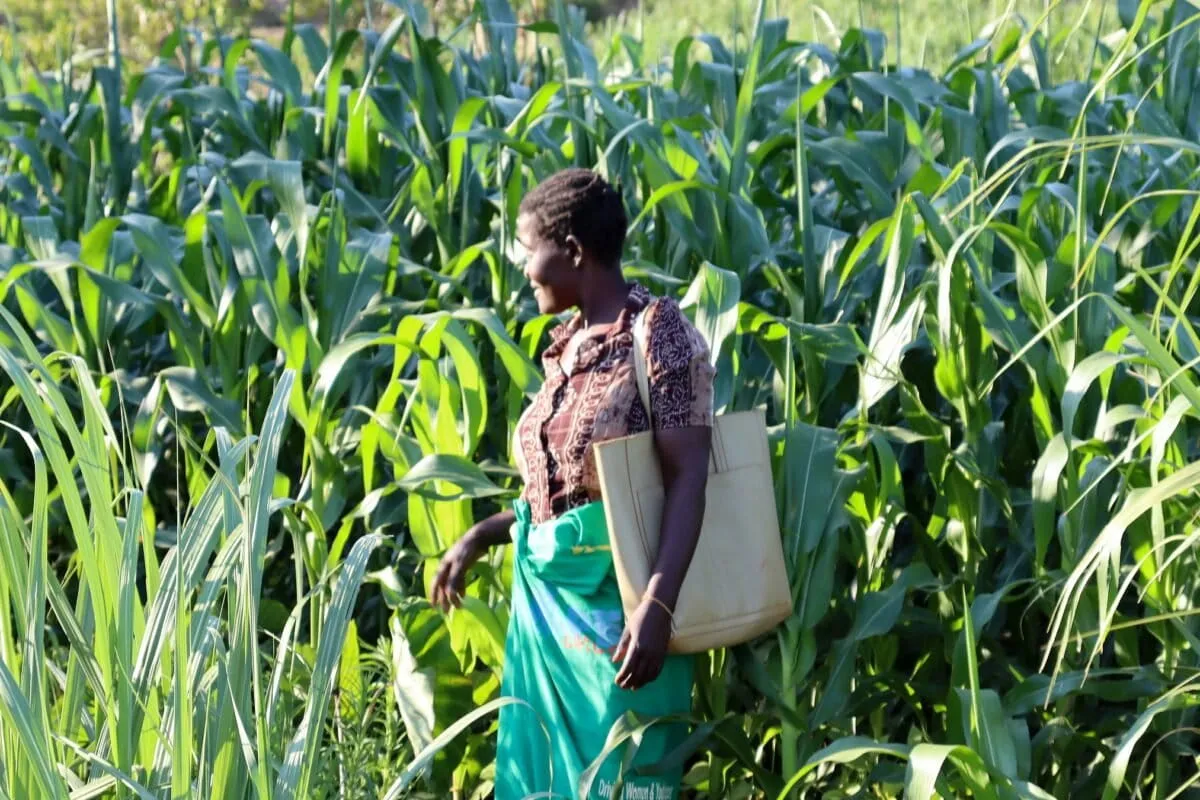
For years, Grena Banda and her husband Daniel Mwafulirwa farmed in Malawi's Rumphi district on the edge of survival. Their small plot was their only income source, but it rarely produced enough to feed their family or pay school fees. Climate change made it worse — droughts followed by downpours that stripped away topsoil. Fertilizer costs kept climbing beyond what they could afford.
Each season started with hope and ended with hunger. "Year in, year out we were facing food shortages," Banda recalls. "We depended on fertilizer, but we could not afford enough of it. Sometimes we harvested so little that we did not know how we would manage until the next season."
Desperation pushed Mwafulirwa to illegal hunting in the nearby Vwaza Game Reserve. He was arrested multiple times, arrested so often the handcuff scars are still visible on his wrists. But he saw no other way to feed his children when crops failed.
We're a new kind of news feed.
Regular news is designed to drain you. We're a non-profit built to restore you. Every story we publish is scored for impact, progress, and hope.
Start Your News DetoxThen everything shifted.
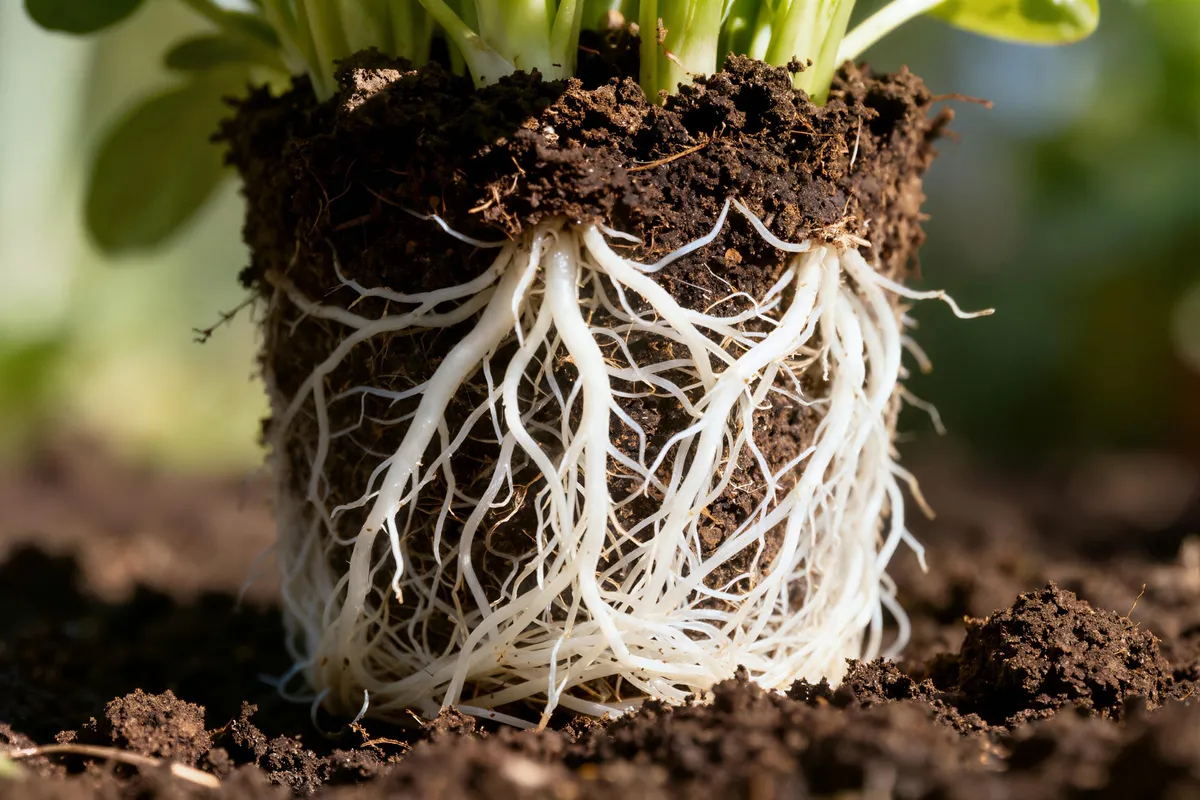
Banda and Mwafulirwa joined a local agroecology program — a farming approach that rebuilds soil health instead of depleting it. The method sounds simple: integrate livestock, grow nitrogen-fixing plants alongside food crops, compost crop waste, and rotate what you plant each season. No expensive inputs required. Just knowledge and work.
The results have been dramatic. Their yields climbed. Their soil got richer and more resilient to both drought and heavy rain. They stopped needing fertilizer they couldn't afford. And Mwafulirwa no longer needs to hunt illegally. "I no longer go to the game reserve," he says. "My farm is producing enough for my family."
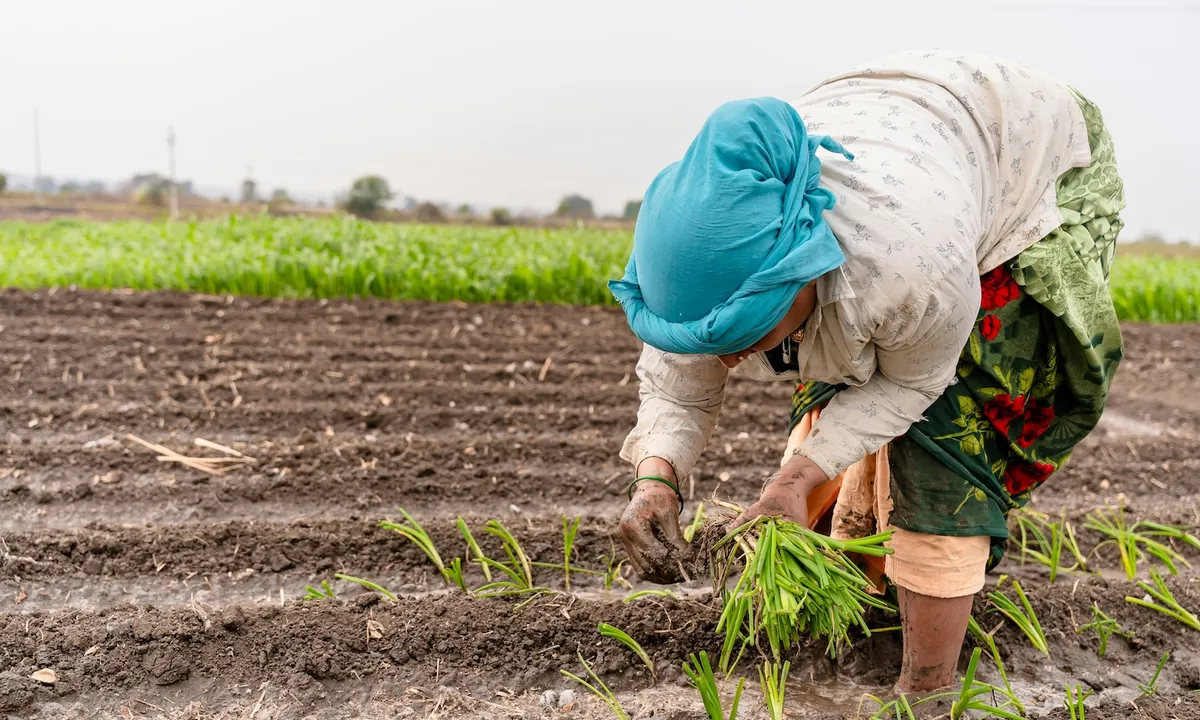
Mwafulirwa and Banda aren't alone. Across Malawi's Rumphi and Karonga districts, over 5,000 farming families have adopted agroecology practices in recent years. The shift is part of a broader movement across sub-Saharan Africa, where smallholder farmers — who grow most of the continent's food but often farm on degraded land with minimal resources — are discovering that soil health and food security are inseparable.
Agroecology isn't new. It's based on ecological principles that farmers have used for generations. What's changed is the scale of adoption and the data backing it up. Studies from the region show that agroecology can increase yields by 30–50% while reducing input costs and improving soil carbon. For families living on less than a dollar a day, that difference is the gap between hunger and stability.
The transition takes time — typically 2–3 years before yields consistently improve. But farmers report other gains along the way: more diverse diets from varied crops, lower debt from reduced fertilizer purchases, and stronger community bonds as farmers share knowledge and seeds.
Malawi's experience hints at something larger. As climate unpredictability increases and input costs stay high, the old model of industrial agriculture — expensive fertilizers, monoculture crops, depleted soil — is becoming less viable for smallholders. Agroecology offers a path forward that actually works with local ecosystems instead of against them.
More districts in Malawi are now scaling up agroecology training. The question isn't whether the approach works — farmers like Banda and Mwafulirwa have already answered that. It's how fast the knowledge can spread to the millions of other smallholders across Africa facing the same pressures.