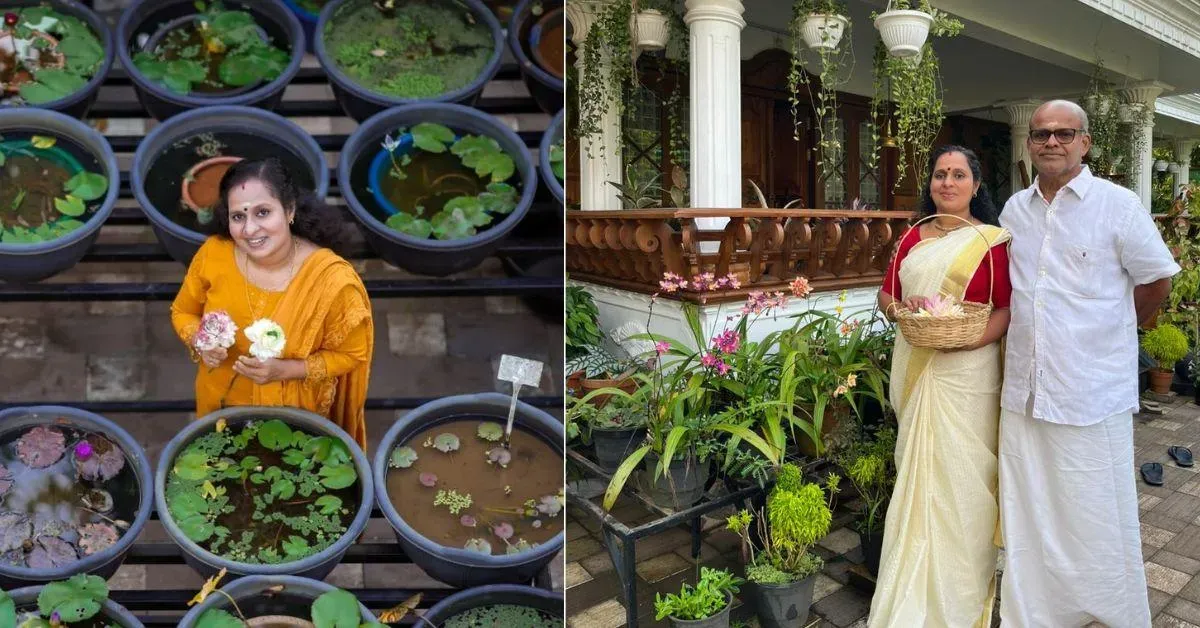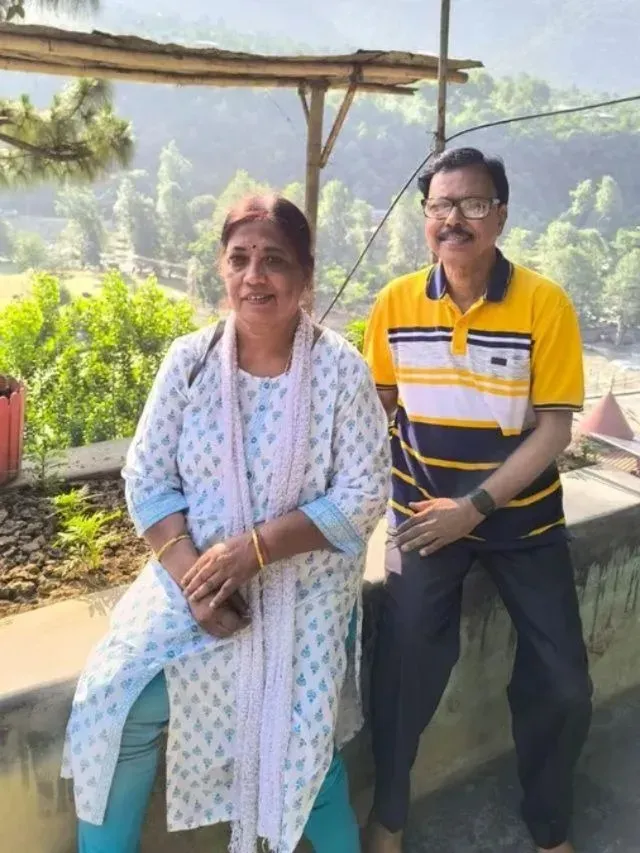
N Madhubalan and RR Suseela spent their careers in agriculture. Now, in retirement, they're quietly reshaping how people think about growing their own food—one rooftop garden at a time.
The couple transformed half an acre in Tamil Nadu's Dharmapuri district into a working mini forest: 50+ trees bearing mango, lemon, guava, coconut, mahogany. But the real story isn't the farm itself. It's the 3,000 people they've taught for free, most of them never setting foot on their land.
They started small. In 2011, with Rs 10,000 and seeds collected from neighbors, they built a rooftop garden in 1,500 square feet. For a decade they learned. Then in 2021, they bought the half-acre plot and went deeper into what they'd discovered: that you don't need chemicals to make land productive. You need soil that's alive.
We're a new kind of news feed.
Regular news is designed to drain you. We're a non-profit built to restore you. Every story we publish is scored for impact, progress, and hope.
Start Your News DetoxHow Teaching Became the Harvest
Their method is straightforward. Farmyard manure. Vermicompost. Neem cakes. Pungam cakes. No synthetic inputs. The philosophy behind it matters: biodiversity creates stability. A forest doesn't need a technician; it tends itself. A monoculture does.
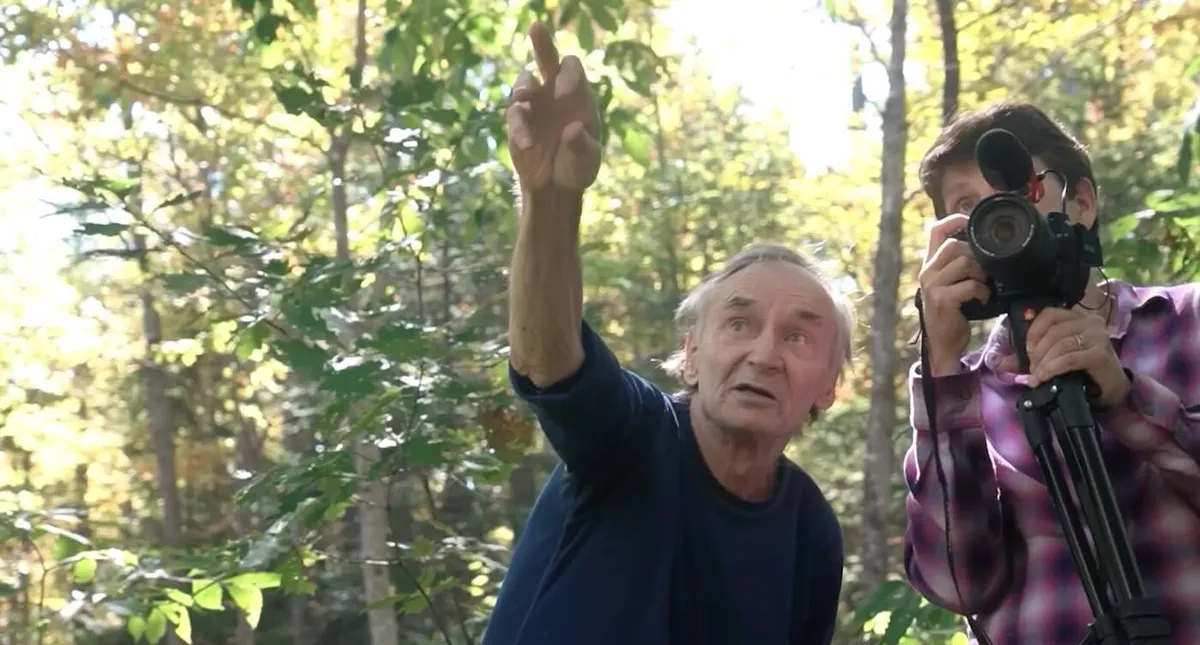
They started sharing what they learned through a Facebook page called Vivasayam Karkalam—"Let's Learn Agriculture." Madhubalan posts tips, schedules online classes, answers questions. Over 30 virtual sessions so far. But the number that matters most is the one that keeps growing: people who've taken their methods home and made them work.
Some are homemakers now selling produce. Some are farmers visiting in person to see the forest itself. Some are sending photos of rooftop gardens they've built in cities, using techniques the couple taught them over a screen.
What's quietly powerful here is the economics. A rooftop garden costs almost nothing to start. It produces food year-round. For people living on modest incomes—especially in towns and cities where land is scarce—this changes the math of food security. It's not about becoming a farmer. It's about having control over part of your own supply.
Madhubalan and Suseela are doing something that rarely gets attention: they're proving that expertise doesn't need to stay locked behind credentials or paywalls. A retired agriculture officer and his wife with a Facebook page have reached more people than many institutional programs. They're showing that the most scalable form of knowledge transfer might be the oldest one: person to person, farm to rooftop, freely given.
The mini forest in Dharmapuri is still growing. So is the network of people learning from it.