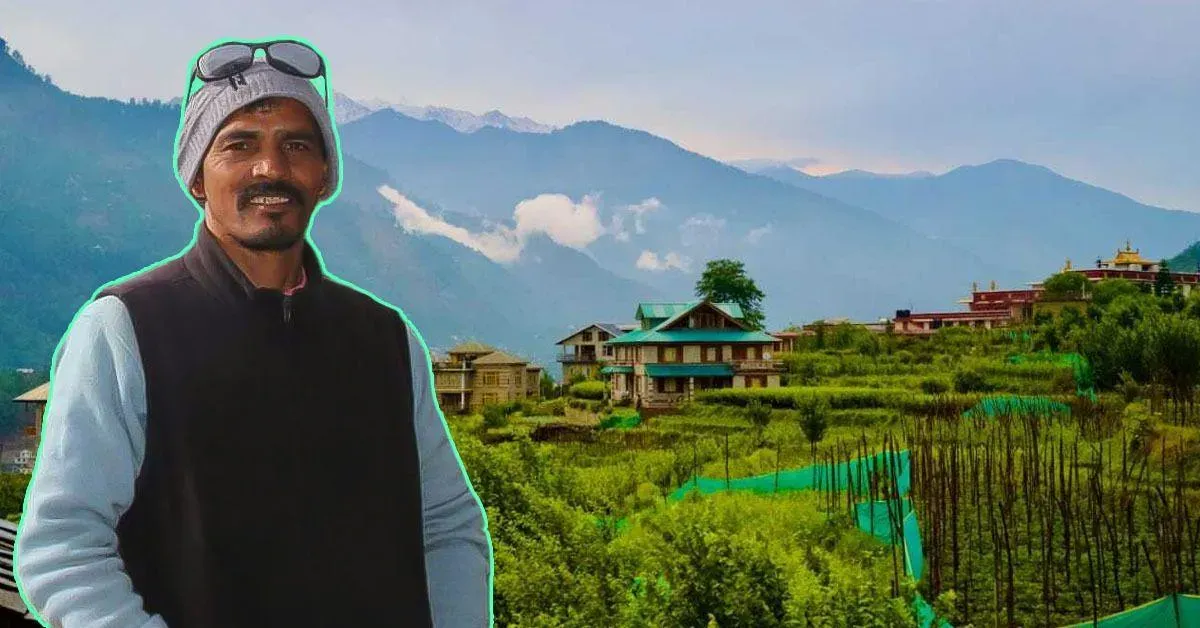
Kundan Singh spent decades tending his apple orchard in Kais village, watching tourists pass through on their way to somewhere else. Then one evening, eight stranded travelers knocked on his door after the last bus left, and he realized he didn't need to leave the mountains to see the world—he could bring it home.
Now his century-old mud house, built with stone and wood in a style that has survived earthquakes for generations, hosts visitors from Germany, Australia, Italy, and across India. A one-night stay costs Rs 1,000. But the real exchange happening here isn't transactional. It's the kind of cultural conversation that changes how people think.
The House That Holds Heat
The first thing Kundan tells guests is about the home's remarkable durability. "Not an earthquake has been able to shift its foundation," he says. That traditional architecture does more than survive tremors—it creates warmth. One guest who visited in December when temperatures dropped below zero found the interior so naturally insulated she barely needed a blanket. The design philosophy that protected Himachali homes for generations still works, quietly efficient in ways modern heating systems can't match.
We're a new kind of news feed.
Regular news is designed to drain you. We're a non-profit built to restore you. Every story we publish is scored for impact, progress, and hope.
Start Your News Detox

The 30-minute bus ride from Kullu tests your patience with bone-rattling terrain, but when you arrive, Kundan's wife Kala greets you with warm soup. The couple, both in their forties, make clear this is your home now. Kundan will ask you to rest first, eat later, and share stories over evening meals on the charpai under stars.
What Farm-to-Table Actually Means
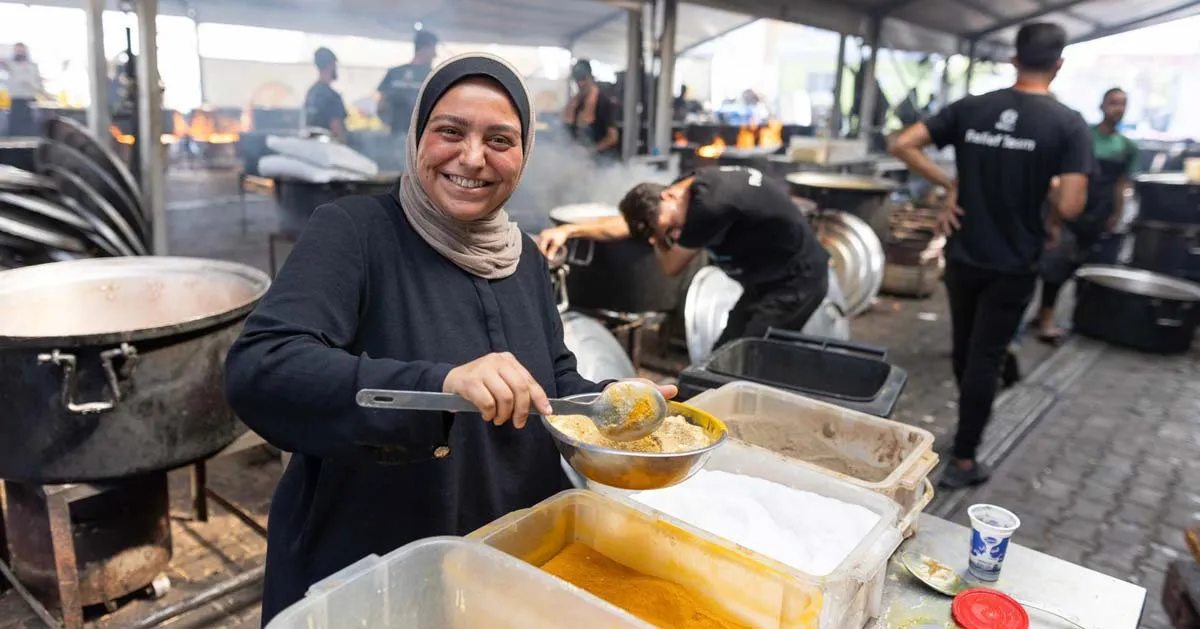
Kala cooks entirely from what grows on their two bighas of land. Bari—a mixture of dals boiled in turmeric leaves—siddu with garlic chutney, pahadi chicken curry, and gaur ka halwa (carrot dessert) steaming hot and unforgettable. These aren't Instagram-worthy dishes plated for effect. They're the food of the region, prepared the way it's been prepared for generations, tasting better because you're eating it on the land that grew it.



The Real Transformation
What makes this story matter beyond the homestay itself is what happens when cultures actually meet. Kundan grew up in a village where girls were typically married young, where education was secondary to securing a daughter's future. His own children went to school, but marriage was always waiting in the background—something inevitable, something to plan for.
Then guests from abroad started telling him something different. "They said, 'Kundan ji, education gives a better life,'" he recalls. That simple statement, repeated by visitors from different countries with different lives, began shifting something fundamental. Now he worries less about his daughters' marriages and more about their education. The tourists didn't lecture him. They just shared their reality, and it changed how he saw his own.


This is what's often missing from conversations about rural tourism or cultural exchange. The assumption is that villages need to be preserved as museums, frozen in time for outsiders to observe. But Kundan's approach is different. He's not performing tradition—he's living it while staying open to change. He shows guests the natti dance and traditional agriculture, but he's also listening, learning, letting new ideas reshape his family's future.
When Kundan first opened the homestay in 2016, he was solving a practical problem: how to meet the world without leaving his village. What he created instead was something rarer—a space where exchange actually happens, where a farmer's daughter gets to think about her future differently because someone from Germany mentioned it over dinner, where an Australian visitor leaves understanding what resilience looks like in traditional architecture and in the people who've maintained it.