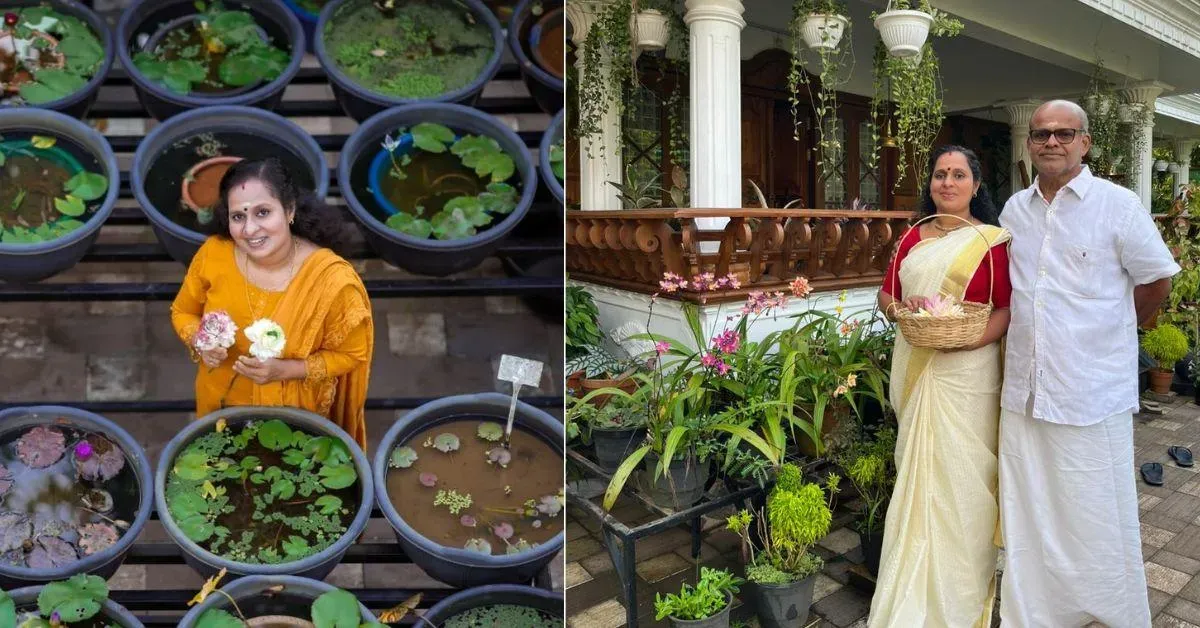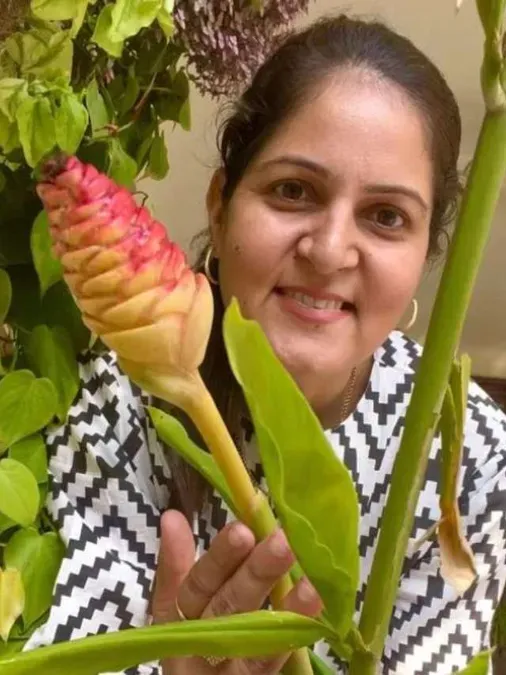
Dr Anshu Rathi's 1,500 sq ft terrace in Roorkee has become something most home cooks only dream about: a working spice garden. Among 400 plants—fruits, vegetables, herbs—she cultivates 15 kinds of Indian spices. Turmeric, black pepper, saffron, cloves, bay leaf, cardamom. Walk past her kitchen and the air tells you everything is thriving.
What makes her garden work isn't magic. It's timing, soil knowledge, and patience. And it's replicable—which means your own spice garden might be closer than you think.
Start with your climate, not your wishlist
India's climate varies wildly by region, and spices care about that. Coriander, black pepper, and cumin want winter—sow them between October and November. Turmeric prefers warmth; plant it in May or June. The first step isn't buying seeds. It's understanding what your region actually offers. Align with the seasons and the plants do most of the work for you.
We're a new kind of news feed.
Regular news is designed to drain you. We're a non-profit built to restore you. Every story we publish is scored for impact, progress, and hope.
Start Your News DetoxOnce you know your window, handle seeds differently based on size. Large seeds like cardamom and coriander benefit from an overnight soak to speed germination. Smaller seeds—cumin, fennel, mustard—go straight into soil. Start everything in small cups, then move seedlings to 12-inch pots once they've sprouted. Keep them in semi-shade for a week before full sun. This gradual transition matters more than rushing them into light.
Your soil is the foundation
Take a handful of damp soil and squeeze it into a ball. If it holds its shape, you've got too much clay. That's not a failure—it's information. Mix in 20 to 30 percent sand to loosen it, then add 20 to 30 percent cow dung compost and a handful of neem khali powder. This simple test and fix cycle is what separates struggling gardens from thriving ones. You're not buying expensive amendments; you're reading what your soil tells you.
Once your soil is balanced, you don't need constant feeding. Add vermicompost about 15 days before flowering season—that's when plants actually need the boost. Targeted nutrition beats constant fertilisation.
Patience has different timelines
Cumin and coriander reward impatience: they're ready in five months, making them ideal first crops. Black pepper asks for two to three years. Cardamom demands five years before you harvest a single pod. This isn't a bug; it's why growing your own spices matters. You're not buying something; you're building something. You learn the rhythm of waiting, of tending, of understanding that some flavours are worth the time.
Dr Rathi's garden works because she treats it as a system, not a collection of plants. Climate informs timing. Timing informs soil prep. Soil prep informs fertilisation. And all of it informs when you actually get to taste what you've grown. The aroma drifting through her kitchen isn't luck. It's the result of understanding how these pieces fit together.
If you have a terrace, a balcony, or even a sunny corner, the basic principles scale down. Start small—maybe coriander and cumin. Learn your soil. Watch the seasons. Then add the spices that ask for patience.