Scientists just pushed back one of humanity's biggest moments by hundreds of thousands of years.
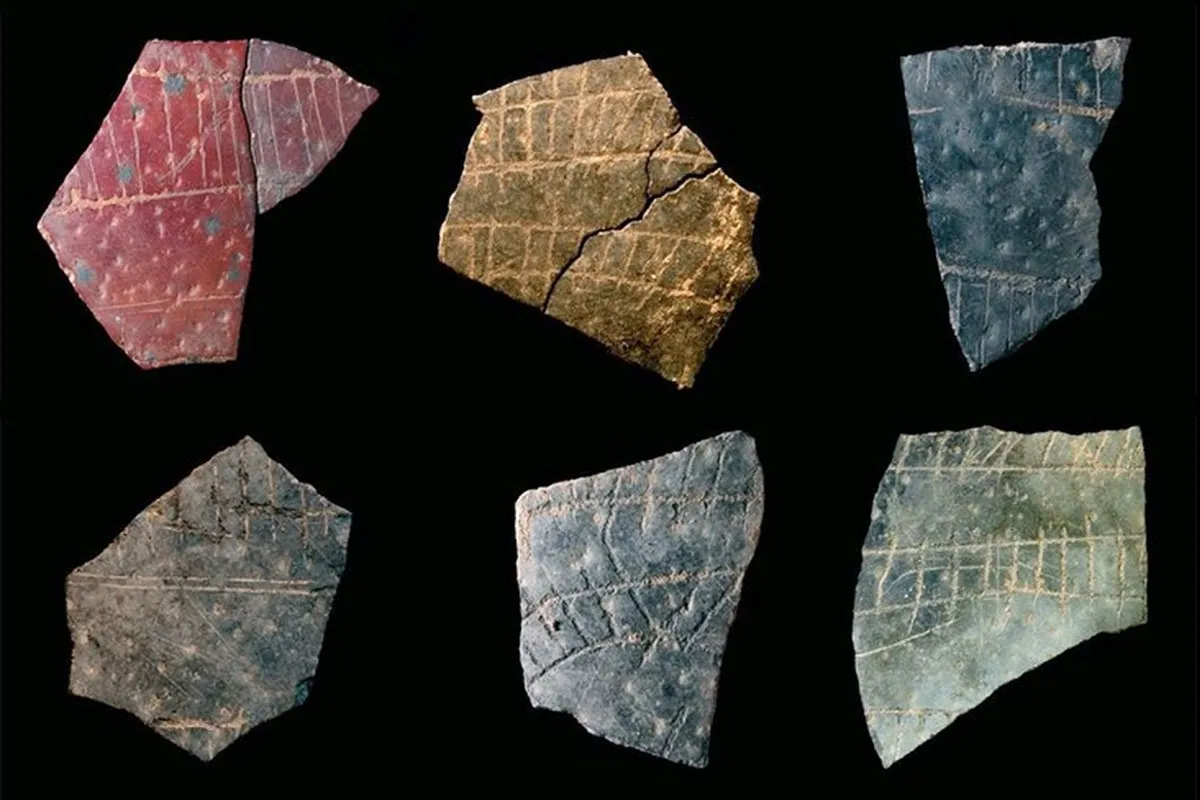
Archaeologists working in the Jordan Valley have determined that 'Ubeidiya, a prehistoric site packed with stone tools and ancient animal bones, is at least 1.9 million years old. That's far older than anyone thought. The finding means early humans were already spreading out of Africa and into the Middle East much earlier than the previous estimates suggested — and they weren't traveling empty-handed. They brought sophisticated stone-tool technology with them.
"This site is basically a time capsule," says Prof. Ari Matmon of Hebrew University, who led the research alongside colleagues from the University of Haifa and University of Tulsa. "It shows us that human groups were already equipped with multiple toolmaking traditions and were actively settling in new regions at the very beginning of our species' global expansion."
We're a new kind of news feed.
Regular news is designed to drain you. We're a non-profit built to restore you. Every story we publish is scored for impact, progress, and hope.
Start Your News Detox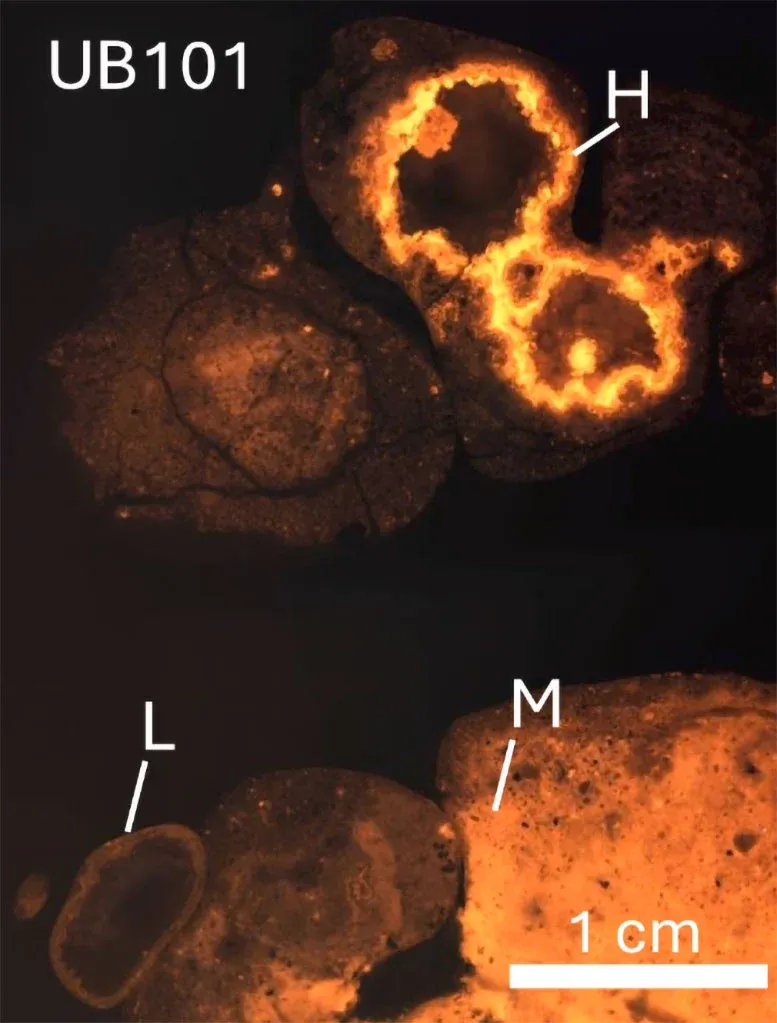
What Makes 'Ubeidiya Special
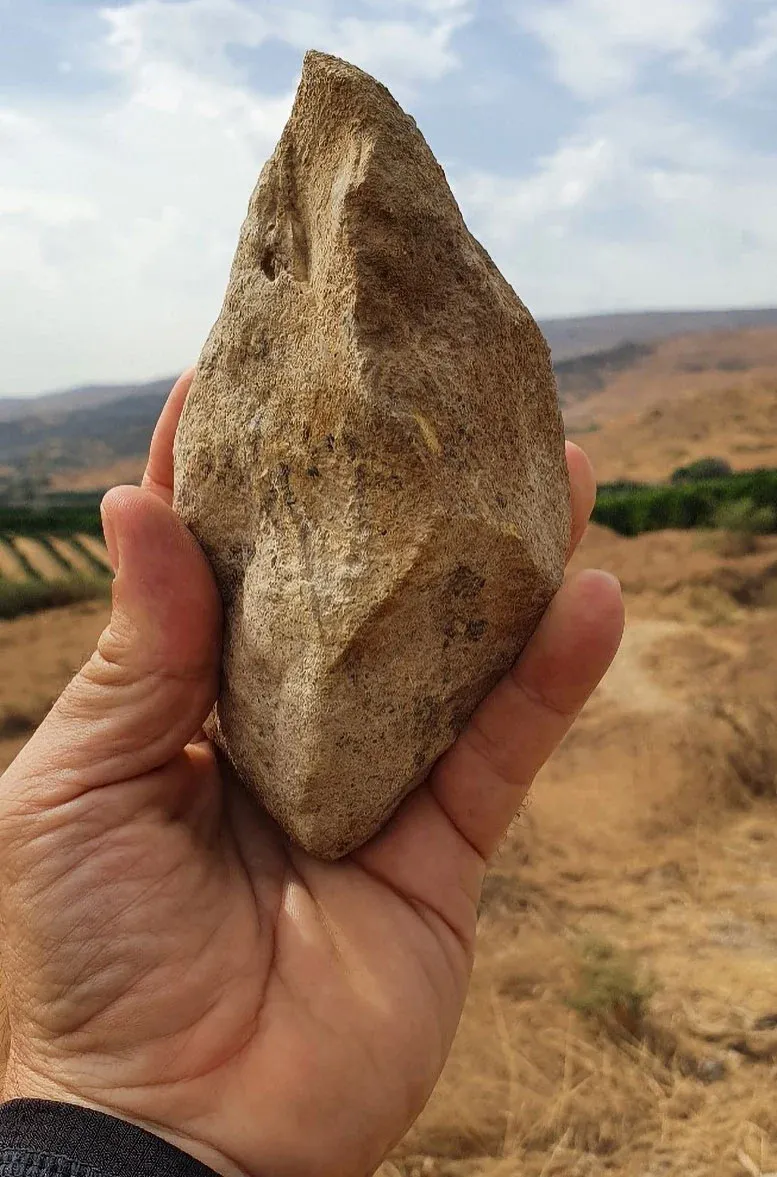
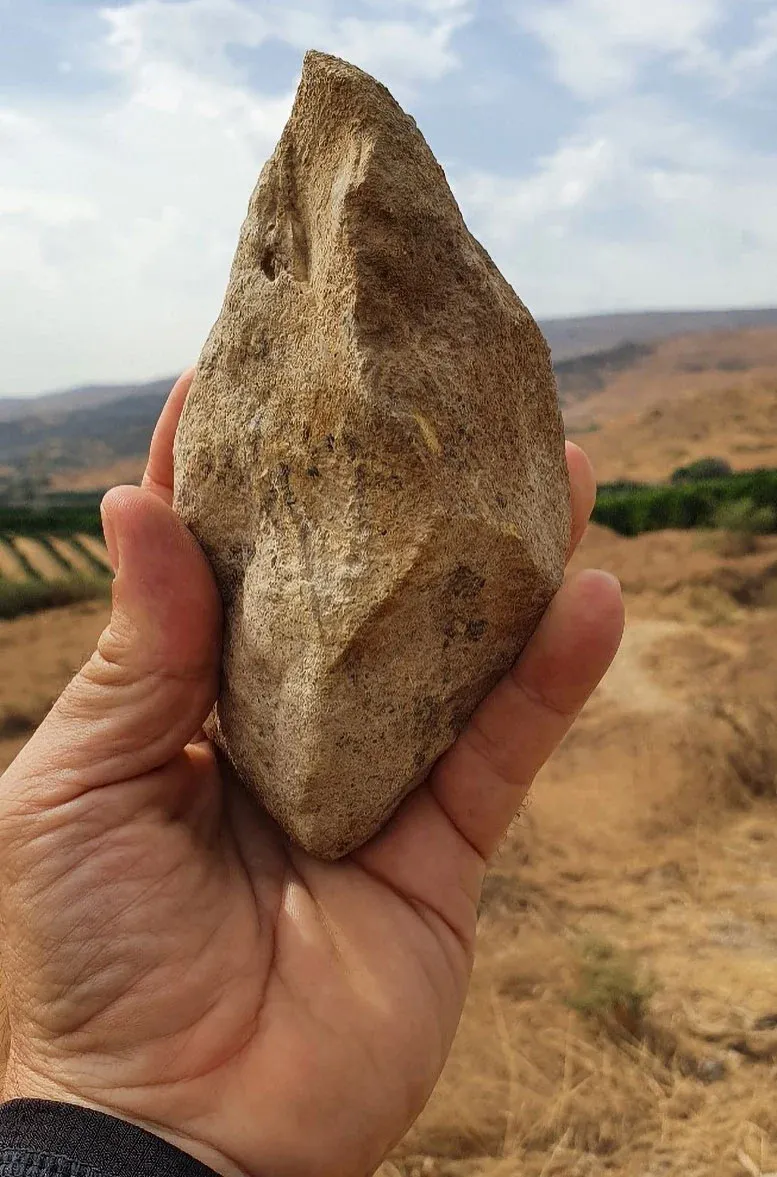
The site sits alongside Dmanisi in Georgia as one of the oldest confirmed locations showing human presence outside Africa. But what makes 'Ubeidiya remarkable isn't just its age — it's what's buried there. Researchers have found evidence of the Acheulean culture, a toolmaking tradition known for large, carefully crafted bifacial stone tools (tools shaped on both sides). These artifacts sit alongside fossils from animals that roamed both Africa and Asia, many of which are now extinct. It's like walking into a snapshot of a moment when human and animal worlds were still mixing in ways we rarely see preserved.
For decades, scientists had guessed 'Ubeidiya was between 1.2 and 1.6 million years old, but those estimates relied mostly on educated guesses rather than direct measurements. The new research nails down a much more precise date by combining three independent dating methods — a serious scientific move that basically triangulates the truth.
Three Different Clocks
The first method, cosmogenic isotope burial dating, works like a natural geological clock. Cosmic rays constantly bombard Earth's surface, creating rare isotopes in rocks. Once those rocks get buried underground, the isotopes start decaying at a predictable rate. Measure what's left, and you can figure out how long they've been down there.
The second approach examined Earth's ancient magnetic field, which gets recorded in lake sediments like a frozen snapshot. By comparing the magnetic signatures found at 'Ubeidiya with known patterns in Earth's magnetic history, researchers determined the layers formed during the Matuyama Chron — a period that began more than two million years ago.
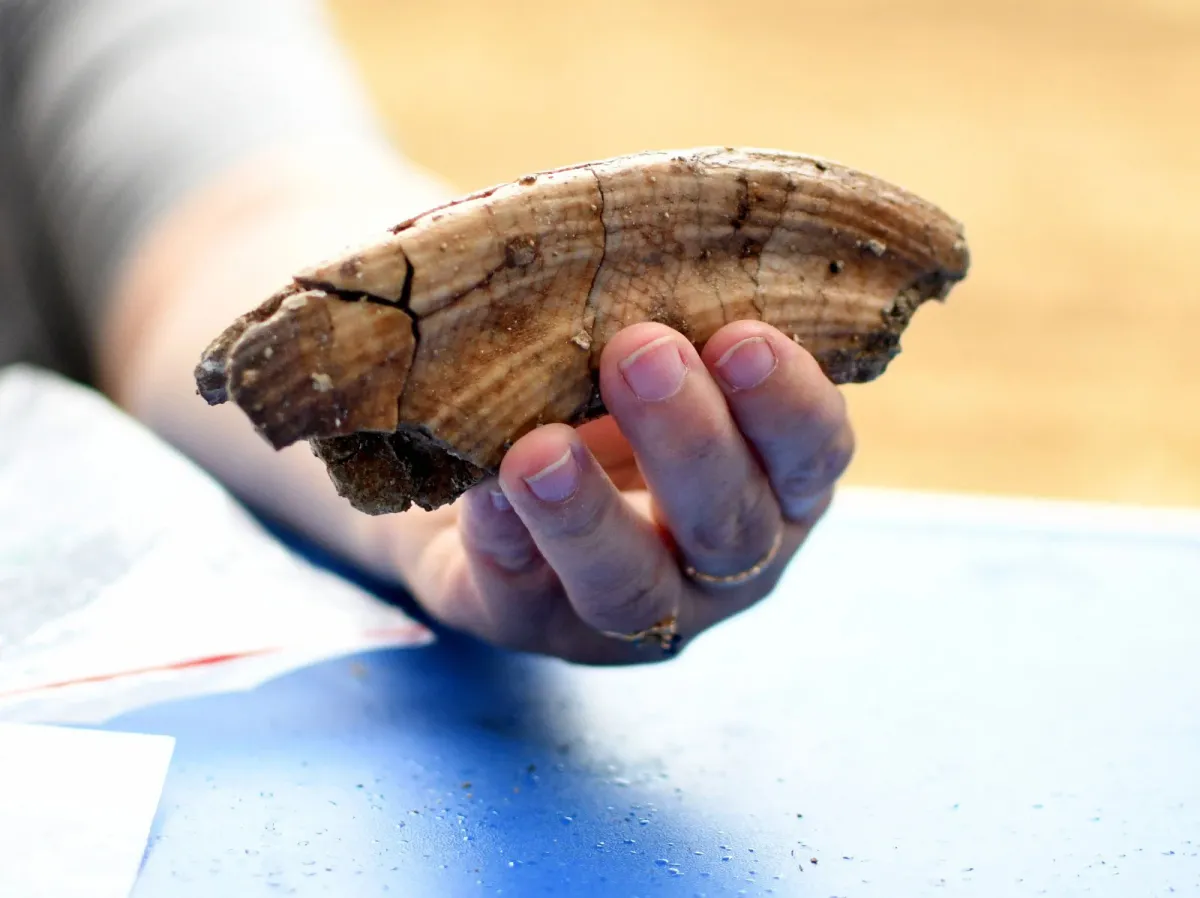
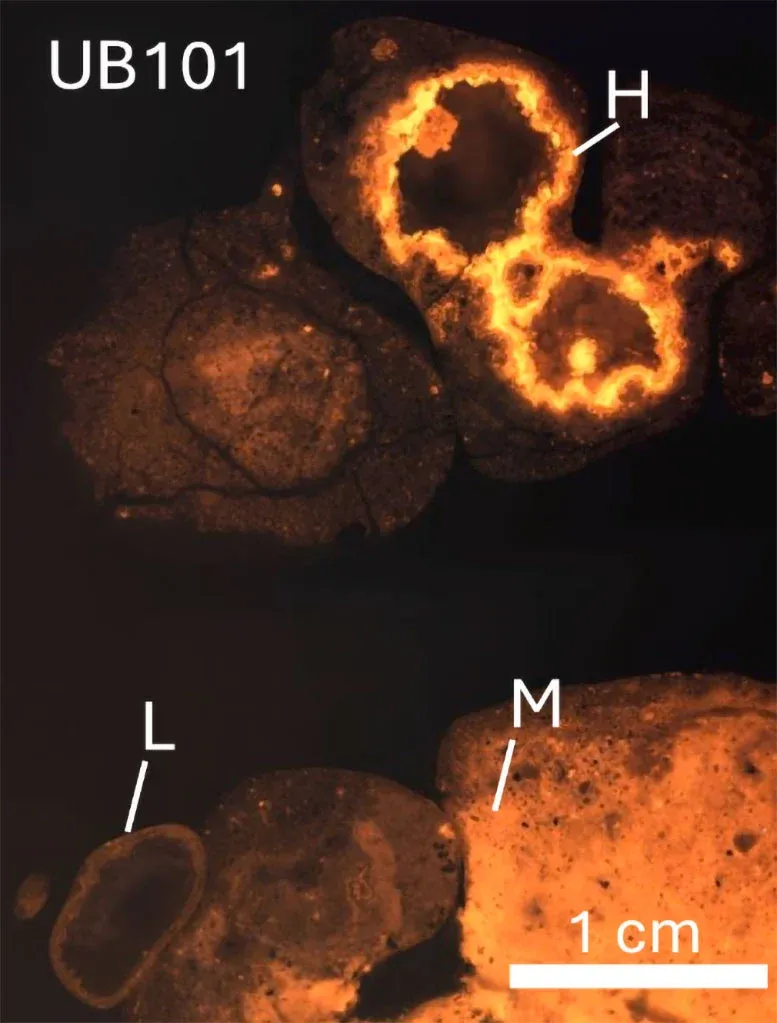
The third method involved fossilized freshwater snail shells found in the sediment layers. Using uranium-lead dating on these Melanopsis shells gave the team a minimum age for the layers containing the stone tools. All three methods pointed to roughly the same conclusion: this site is seriously old.
The Puzzle That Didn't Fit
Here's where it gets interesting. The initial isotope readings suggested the rocks were three million years old — way older than everything else indicated. That contradiction could have derailed the whole project. Instead, the team solved it by discovering that sediments at the site had been recycled multiple times. Materials had been deposited, buried deep in the Dead Sea rift, then dug up and redeposited along an ancient lake shoreline. That geological recycling explained why the initial dating looked too old.
Once they accounted for this complex history, the pieces fell into place. 'Ubeidiya emerged as roughly the same age as Dmanisi in Georgia — suggesting that early humans were fanning out into different regions at about the same time. And they weren't all using the same tools. The evidence shows two different stone-tool traditions left Africa during this period: the simpler Oldowan technology and the more advanced Acheulean approach. Different hominin groups likely carried these technologies as they pushed into new environments.
The finding reshapes how we understand humanity's first big migration. It wasn't a single moment or a single route — it was early groups, equipped with real technological skill, moving into the wider world much sooner than we realized.