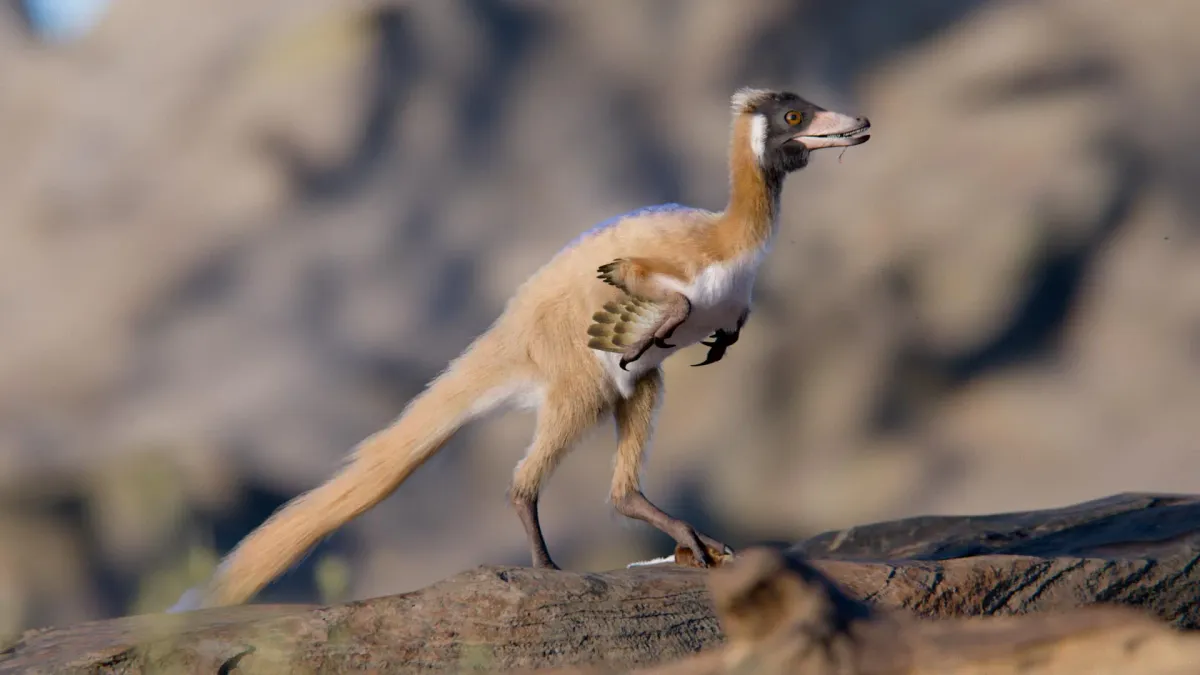
Scientists in Patagonia just found the skeleton that finally explains how a bizarre group of bird-like dinosaurs shrank down to the size of a robin and spread across the ancient world. The nearly complete fossil of Alnashetri cerropoliciensis—weighing less than two pounds—is answering questions paleontologists have been puzzling over for decades.
The discovery, led by University of Minnesota scientist Peter Makovicky and Argentine paleontologist Sebastian Apesteguía, was published in Nature. Alnashetri belonged to a strange group of theropods called alvarezsaurs, known for their tiny teeth and weirdly short arms that ended in a single oversized thumb claw. For years, most well-preserved fossils had only been found in Asia, leaving huge gaps in the evolutionary story. This new skeleton changes everything.
"Going from fragmentary skeletons that are hard to interpret, to having a near complete and articulated animal is like finding a paleontological Rosetta Stone," Makovicky said. "We now have a reference point that allows us to accurately identify more scrappy finds and map out evolutionary transitions in anatomy and body size."
We're a new kind of news feed.
Regular news is designed to drain you. We're a non-profit built to restore you. Every story we publish is scored for impact, progress, and hope.
Start Your News DetoxThe Puzzle Pieces Click Into Place
The skeleton was uncovered in 2014 at La Buitrera, a fossil-rich site in northern Patagonia famous for exceptionally well-preserved Cretaceous animals. Over the past decade, researchers carefully cleaned and assembled the delicate bones—a painstaking process needed to prevent damage to such a fragile skeleton.
What the bones revealed was surprising. Alnashetri had longer arms and larger teeth than its later relatives, showing that some alvarezsaurs had already evolved tiny body sizes before developing the specialized features that later species probably used to hunt ants. Microscopic examination confirmed the animal was fully grown and at least four years old. At less than two pounds, it ranks among the smallest dinosaurs ever discovered in South America.
By studying additional alvarezsaur fossils scattered across museum collections in North America and Europe, the team found evidence these animals appeared much earlier than anyone thought. Their widespread distribution likely happened when the continents were still connected as the supercontinent Pangaea. When Earth's landmasses later broke apart, the animals became scattered across the globe—no ocean crossing required, just continental drift.
What's Next
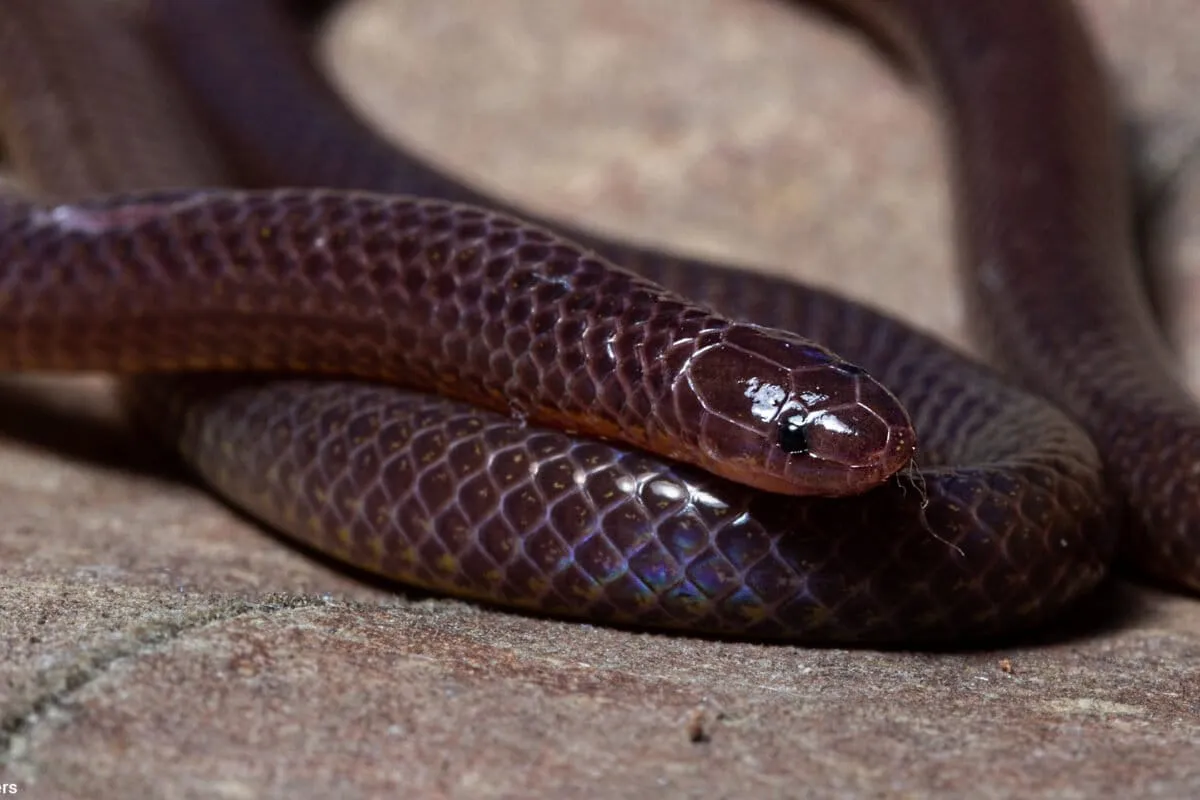
La Buitrera has been producing major discoveries for over 20 years. Early snakes, small saber-toothed mammals, and now this evolutionary key. "After more than 20 years of work, the La Buitrera fossil area has given us a unique insight into small dinosaurs and other vertebrates like no other site in South America," Apesteguía said.
Makovicky hinted at more to come: "We have already found the next chapter of the alvarezsaurid story there, and it is in the lab being prepared right now." The skeleton sitting on a lab bench today might answer tomorrow's questions about how the smallest dinosaurs lived and thrived.