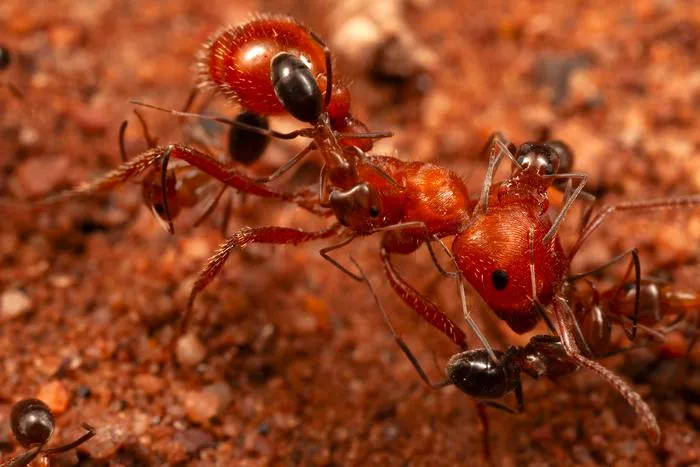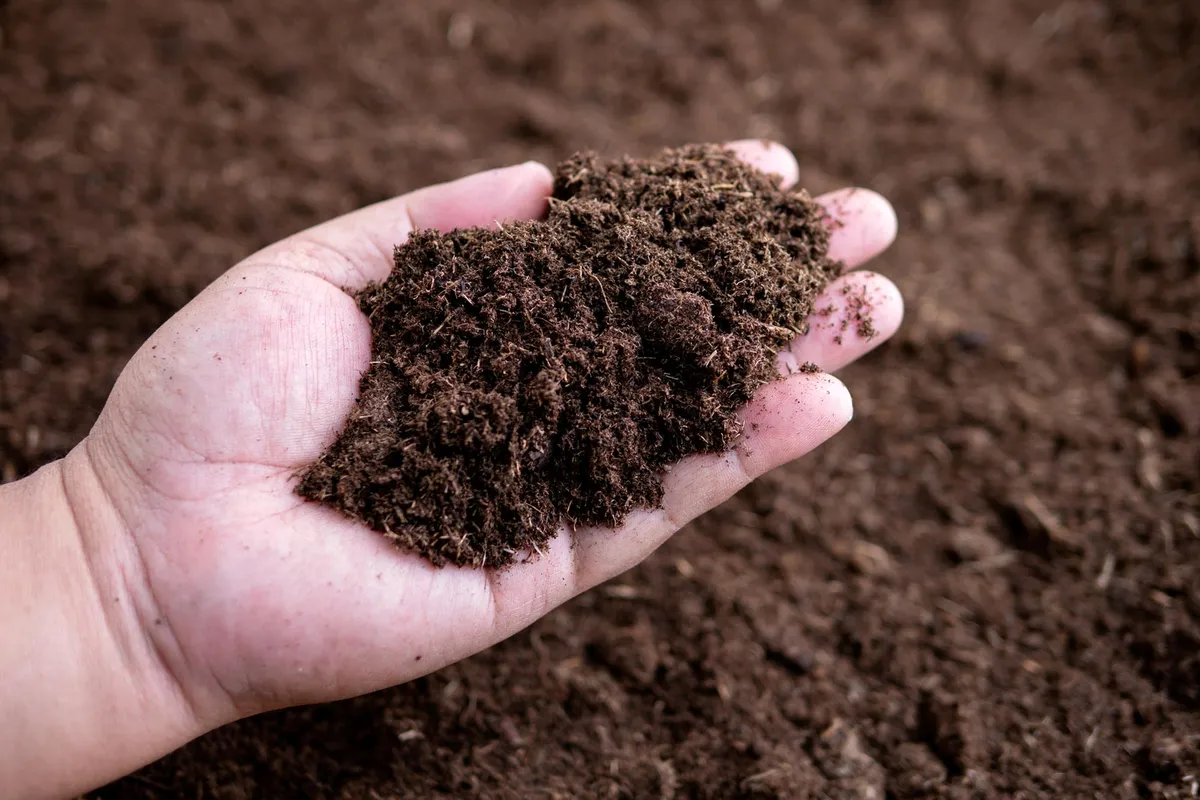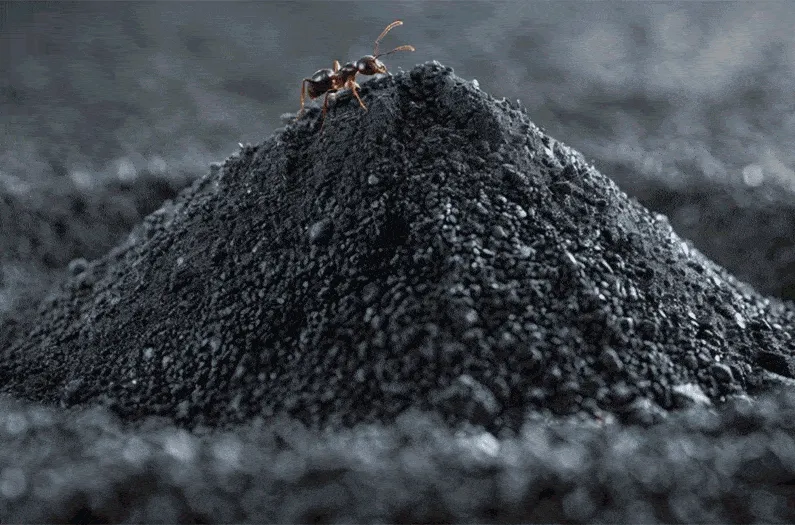
Biochar can help soil, and new research shows it does this by supporting ants. Ants build stronger, more complex colonies when biochar is present. However, there's a catch: too much biochar can harm ants.
This is the first study to look at how biochar affects large soil animals like ants. Previous studies focused only on microbes and crop yields. Researchers suspected biochar would change ant behavior, so they set up experiments.
The Goldilocks Effect of Biochar
The team used biochar made from rice straw. They mixed different amounts—2.5%, 5%, and 10%—into soil samples. They also had a control sample with no biochar. Then, they added 30 worker ants from a common local species to each soil type and observed them.
We're a new kind of news feed.
Regular news is designed to drain you. We're a non-profit built to restore you. Every story we publish is scored for impact, progress, and hope.
Start Your News DetoxThey paid close attention to how the ants nested, socialized, and found food. A big difference was seen in survival rates. Over 83% of ants survived in soil with no biochar or with 2.5% to 5% biochar. But when biochar was at 10%, survival dropped sharply to about 55%.
Ants were also more productive with lower amounts of biochar. At 2.5%, their nests were almost three times more complex than in samples with 10% biochar. Ants foraged twice as efficiently in soil with 5% biochar. They moved faster, found food more quickly, and were more successful at getting it.
With moderate biochar levels, ants showed stronger social bonds. They were also more aggressive towards invasive species and better at protecting their colonies compared to ants in soil without biochar.
Why Biochar Changes Ant Behavior
Researchers believe these changes in ant behavior are due to how biochar affects soil chemistry. Low doses of biochar slightly increase the soil's pH. This helps the soil hold more moisture, which might make it better for ants to build nests.
However, too much biochar can raise the pH to levels that are toxic to ants. Ants use soil elements to communicate. Even small changes in soil chemistry and microbes from biochar can alter how they interact, making their communication stronger or weaker.
This matters because ants are crucial for healthy soil. Ants that are social, forage well, and build large, complex nests improve soil structure and function. They help spread nutrients and improve drainage.
The study's main message is that biochar might be more important for ecosystem health than we thought. This means we need to be careful about how much we use. The authors noted that "Too much can disrupt the very biological systems we aim to restore."
Deep Dive & References
Biochar application enhances ant (Formica japonica) ecological functions as indicated by their social behaviors - Biochar, 2026