The headlines this year have been dominated by the usual crises. But underneath, something else is happening: systems we thought were broken are actually starting to repair themselves.
Start with the green sea turtle. Twenty years ago, their numbers were collapsing. Fishing nets, pollution, warming oceans — the threats stacked up. Today, populations are climbing back across the globe. The reason isn't magic. It's that enough people decided to change the rules: fishing regulations, cleaner coastlines, protected nesting beaches. The turtles didn't need saving by some distant technology. They needed us to stop making their world worse. And we did.
The Systems That Shift When We Act
The ozone story follows a similar pattern. In the 1980s, scientists discovered we were punching a hole in the atmosphere with a chemical we'd casually sprayed into refrigerators and aerosols. The response was unusual: nearly every country on Earth agreed to phase out the offending substances. It took decades. It cost money. And it worked. The ozone hole is now expected to fully heal within the next decade — the first time we've actually reversed a global environmental damage on this scale.
We're a new kind of news feed.
Regular news is designed to drain you. We're a non-profit built to restore you. Every story we publish is scored for impact, progress, and hope.
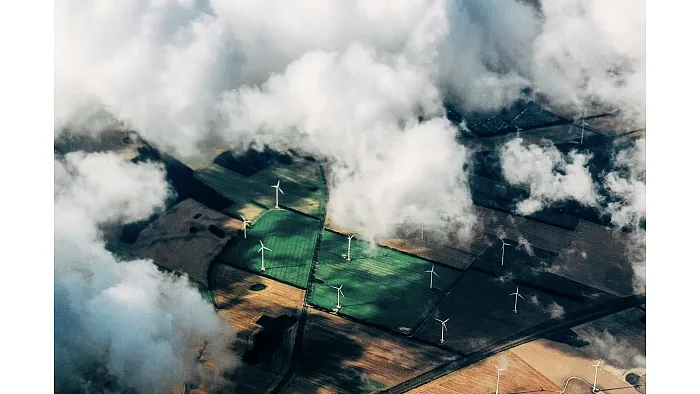
Start Your News DetoxThen there's the energy shift. For the first time in human history, renewable sources — solar, wind, hydroelectric — have overtaken coal as the world's primary energy source. This wasn't supposed to happen this fast. The International Energy Agency tracked it, and the numbers are real. It happened because the technology got cheaper, because policy finally caught up, because enough people decided the direction mattered.
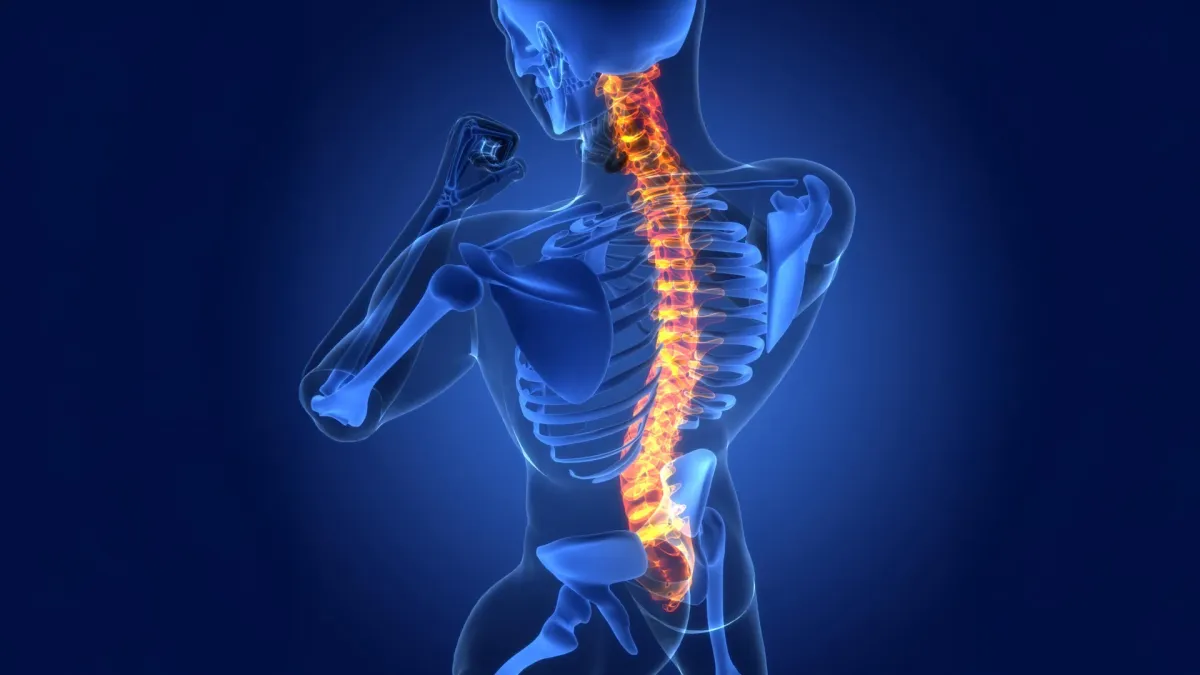
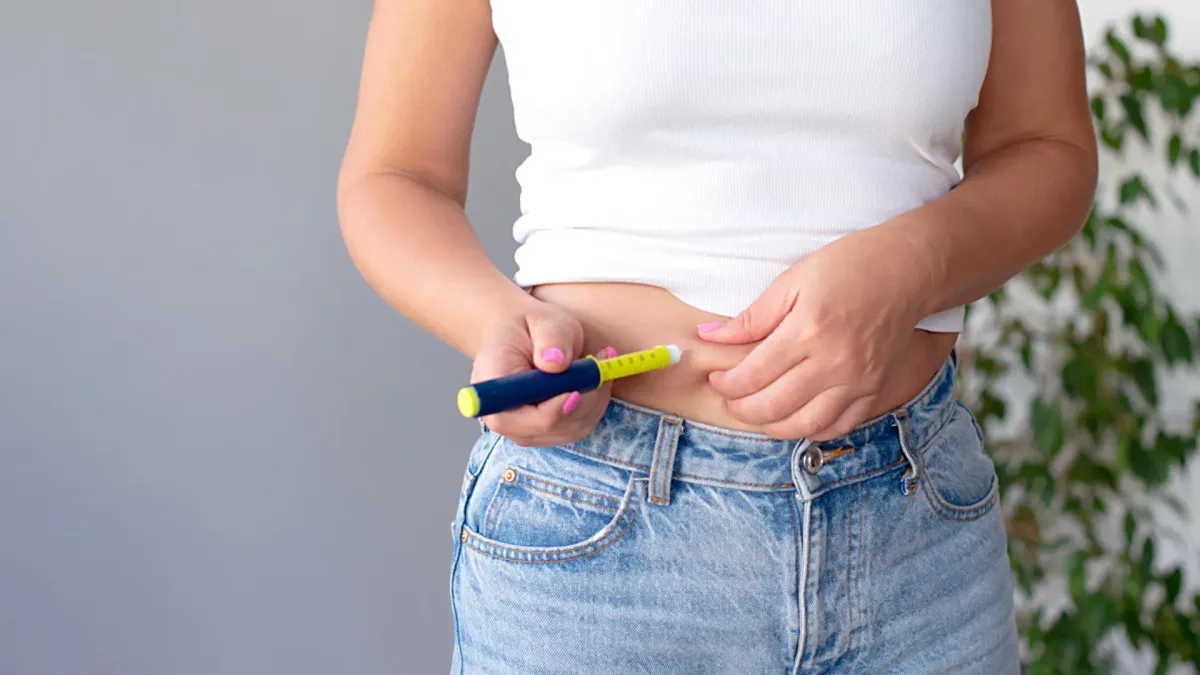
Gene editing is moving faster still. In 2025, treatments for Huntington's disease and T-cell leukemia moved from theoretical to actual — people being healed of conditions that were once untreatable. Gene therapy specialist Annarita Miccio called it an "outstanding year" for medical breakthroughs. That's not hype. That's someone who reads the data saying: this is real progress.
Why This Matters Right Now
None of this means we've solved climate change or disease or pollution. The ozone layer still needs a decade to fully recover. Renewable energy dominance doesn't mean we've stopped burning fossil fuels — it means we've finally tipped the balance. Green turtles are recovering, but they're still vulnerable. Gene therapy is working, but it's not yet accessible to everyone who needs it.
But here's what these four stories have in common: they all required sustained human effort, international cooperation, and a willingness to change course. And they all worked. Not perfectly. Not completely. But measurably.
The world in 2025 is still carrying real problems. But it's also carrying proof that problems can be solved — that the direction we choose actually matters, and that the systems we thought were locked in place can shift when enough people decide to push.