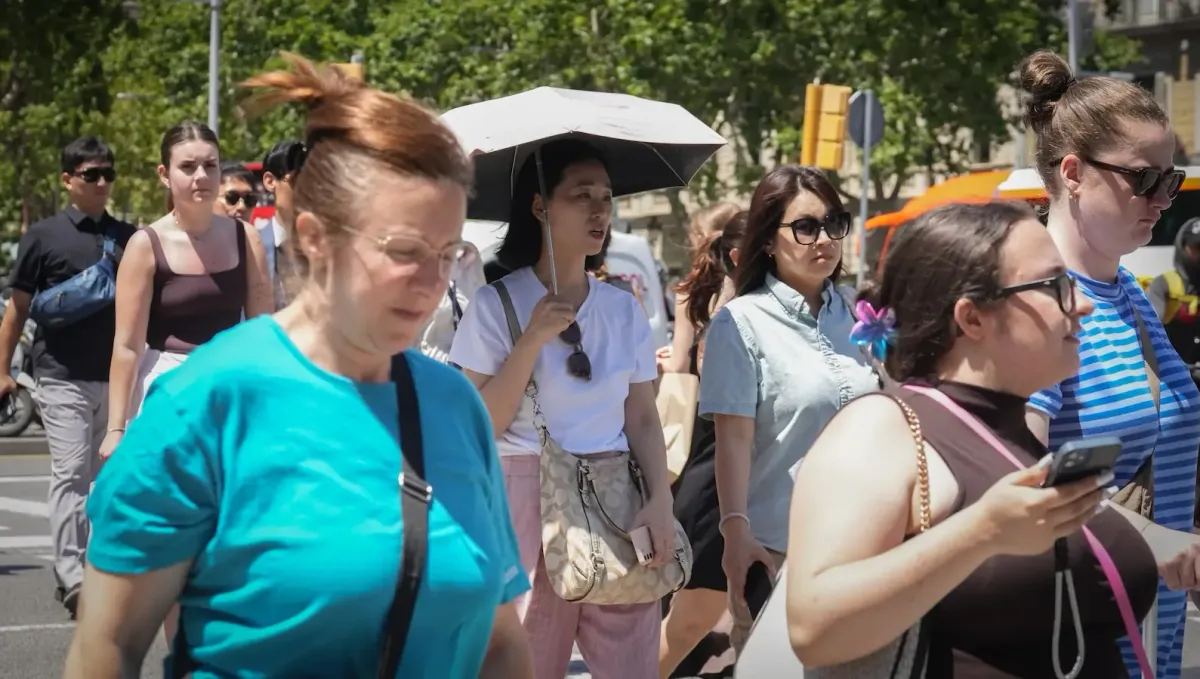
Cities are getting dangerously hot. We're talking about the kind of heat where the pavement practically bakes you from below, thanks to the delightful phenomenon known as the "urban heat island effect." Buildings and roads become giant heat sponges, making city centers significantly toastier than their leafy suburban counterparts. In places like Phoenix, a simple walk can become a genuine health hazard, even though, you know, walking is generally considered good for you.
Your current map app is great for telling you the shortest distance between two points. What it absolutely will not tell you is whether that "shortest" route involves crossing a sun-baked plaza that feels like the surface of the sun. But fear not, intrepid pedestrian! Arizona State University (ASU) is cooking up a solution called Cool Routes.

Cool Routes is an online tool designed to calculate the actual heat you'll feel on a walking path. It doesn't just find the shortest way; it finds the shortest, coolest, and shadiest routes, making your urban trek thermally safer. Because apparently, that's where we are now: needing an app to avoid spontaneous combustion on a Tuesday afternoon.
We're a new kind of news feed.
Regular news is designed to drain you. We're a non-profit built to restore you. Every story we publish is scored for impact, progress, and hope.
Start Your News DetoxThe Real Feel
Your phone's weather app is a lovely thing, but air temperature is only part of the story. High humidity can make a comfortable 80 degrees feel like a sweltering 100 because your sweat just… quits. And lack of shade? That's the main event, turning a warm day into an inferno. Isaac Buo, an urban informatics scientist at ASU, notes that people often underestimate the danger because their phones are lying to them with a lower air temperature. Walking in the shade, it turns out, can cut the heat load on your body by a staggering 50 percent.
Instead of just a basic thermometer reading, Cool Routes calculates "mean radiant temperature." This fancy metric takes into account the glorious shade provided by buildings and trees, using incredibly detailed landscape maps created with lidar technology. Buo explains that the tool combines high-resolution urban data with weather forecasts to simulate thermal conditions at any given moment. Which, if you think about it, is both impressive and slightly terrifying.
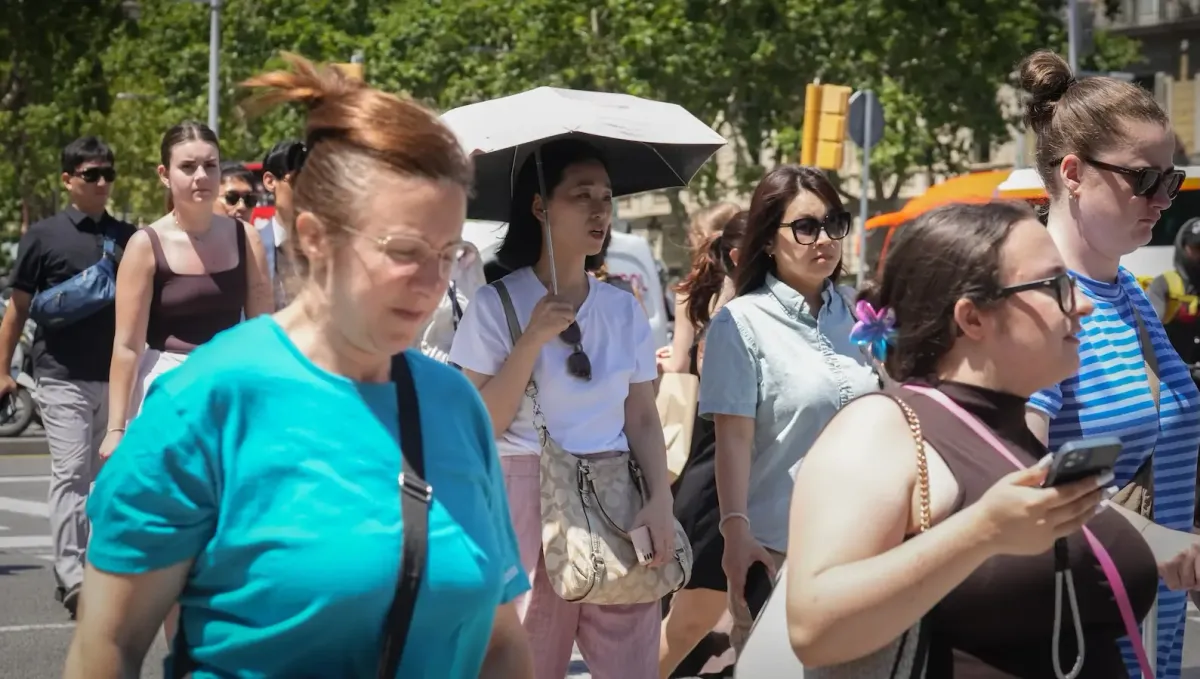
Time of day is also a huge factor. An 8 a.m. stroll is a vastly different beast than a noon dash. While temperatures climb, skyscrapers might not offer much shade when the sun is directly overhead. Trees, on the other hand, are the MVPs, still providing their leafy canopies. This complexity means heat exposure can vary wildly, even block by block.
The ASU team even built a special cart named MaRTy (short for mean radiant temperature, naturally) to verify their calculations. They rolled MaRTy along suggested routes on scorching summer days, ensuring the app's recommendations weren't just theoretical.
Beyond Your Walk
Cool Routes isn't just for individuals trying to avoid a sunstroke. Cities can use this data to strategically plant more trees and create parks where they'll do the most good. Imagine a busy route from the subway to a business district, suddenly several degrees cooler thanks to some well-placed greenery. Trees are true urban superheroes: cooling, providing habitats, and even absorbing stormwater. The platform could also pinpoint bus stops desperately in need of shade for waiting passengers. Because waiting for a bus is bad enough without feeling like you're baking alive.
Currently, Cool Routes is limited to the ASU Tempe campus, but the researchers are making it open-source. The dream? For popular map apps to eventually integrate this data. Just as they suggest routes with fewer hills, they could one day suggest routes with less heat. Buo points out that a detour of just two extra minutes could lead you through a beautifully shaded path. Two minutes for not melting? Seems like a pretty good deal.