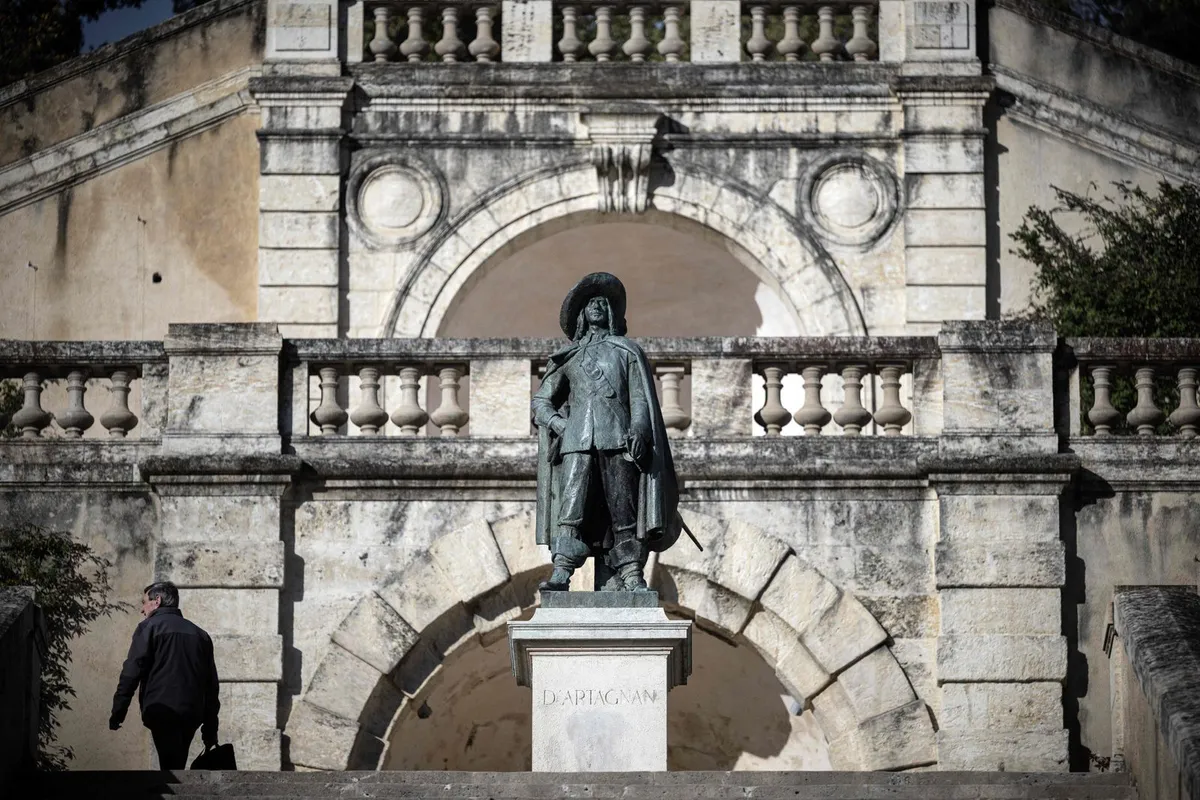
Workers repairing a Dutch church recently found a skeleton under the floor. Officials believe these remains might belong to Charles de Batz de Castelmore. He was a 17th-century French soldier, also known as D’Artagnan. He inspired Alexandre Dumas's famous novel, The Three Musketeers.
Investigating the Discovery
Experts are now analyzing DNA from the skeleton. They are comparing it to DNA from descendants of D’Artagnan’s father. Wim Dijkman, an independent archaeologist, warned against jumping to conclusions. He told Reuters that this is a top-level investigation. They want to be as certain as possible about the identity.
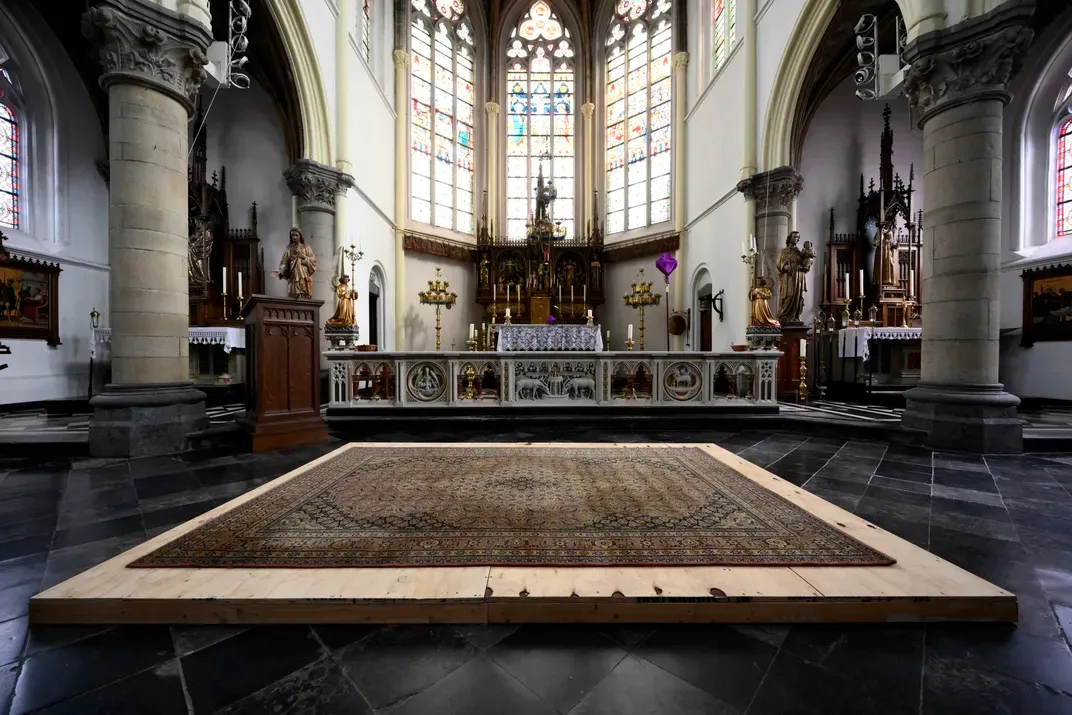
The discovery happened at the St. Peter and Paul Church in Maastricht, Netherlands. Loose floor tiles led workers to start repairs last month. Jos Valke, the church deacon, said they found the skeleton during this work. He immediately contacted Dijkman, who had researched D’Artagnan for decades.
We're a new kind of news feed.
Regular news is designed to drain you. We're a non-profit built to restore you. Every story we publish is scored for impact, progress, and hope.
Start Your News DetoxThe Real D'Artagnan
The Three Musketeers tells the story of a young nobleman, D’Artagnan, who seeks adventure in Paris. He joins three of Louis XIV’s musketeers: Athos, Porthos, and Aramis. Together, they have many adventures.
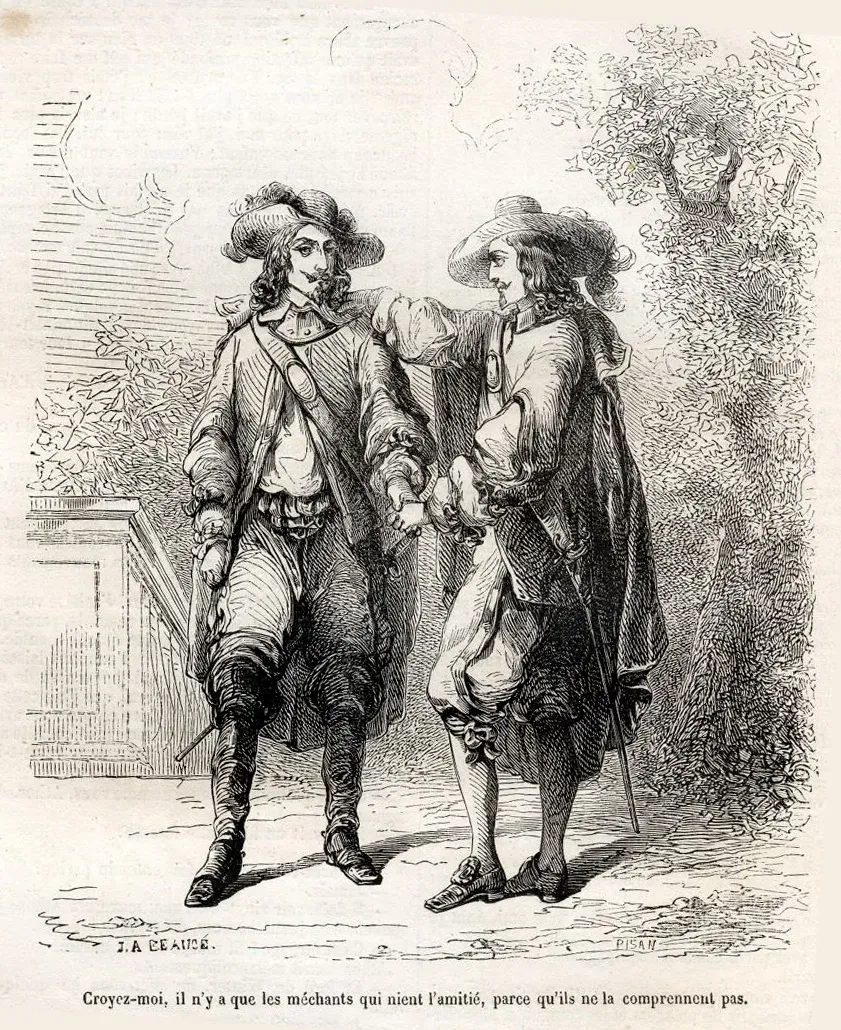
Alexandre Dumas published the novel in 1844. He based it on Memoirs of Monsieur D’Artagnan from 1700, a book by Gatien de Courtilz de Sandras. This book gave a dramatic account of the real musketeer’s life.
The actual D’Artagnan was born into a noble French family in the early 17th century. Like the character, he served King Louis and rose through the musketeer ranks. In 1673, he died from a musket ball during the siege of Maastricht, while fighting in the Franco-Dutch War.
Legends suggested D’Artagnan might be buried in Maastricht’s St. Peter and Paul Church. Researchers have long wondered if this was true. The French army camped nearby during the siege. A letter from that time said he was buried in sacred ground. Wim Dijkman had asked church officials for years to let him excavate the site.
The grave also contained other clues. Valke told BBC News that they found the bullet that killed him. They also found a coin from 1660 in the grave.
Dijkman is waiting for more test results before celebrating. He wants a full investigation. Experts in a German lab are studying DNA from the skeleton’s teeth. Researchers in Deventer, Netherlands, are working to confirm the person's age and sex. Valke noted that while it seems likely, nothing is certain yet.
Deep Dive & References
- Memoirs of Monsieur D’Artagnan - Gatien de Courtilz de Sandras, 1700