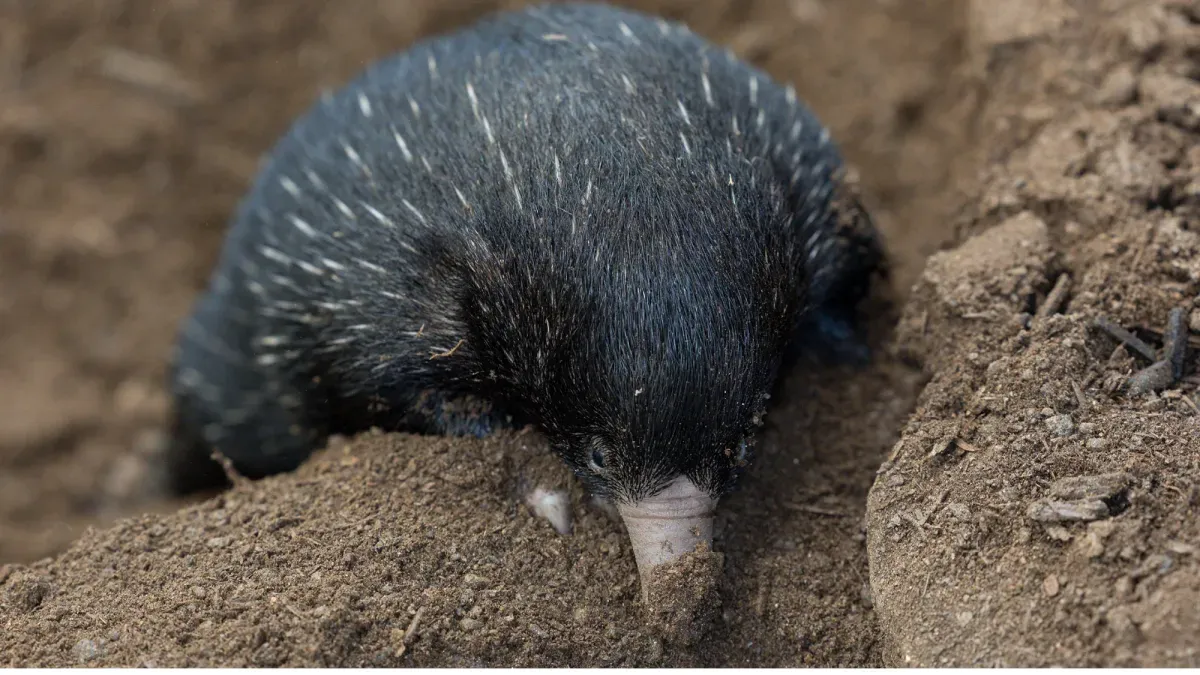
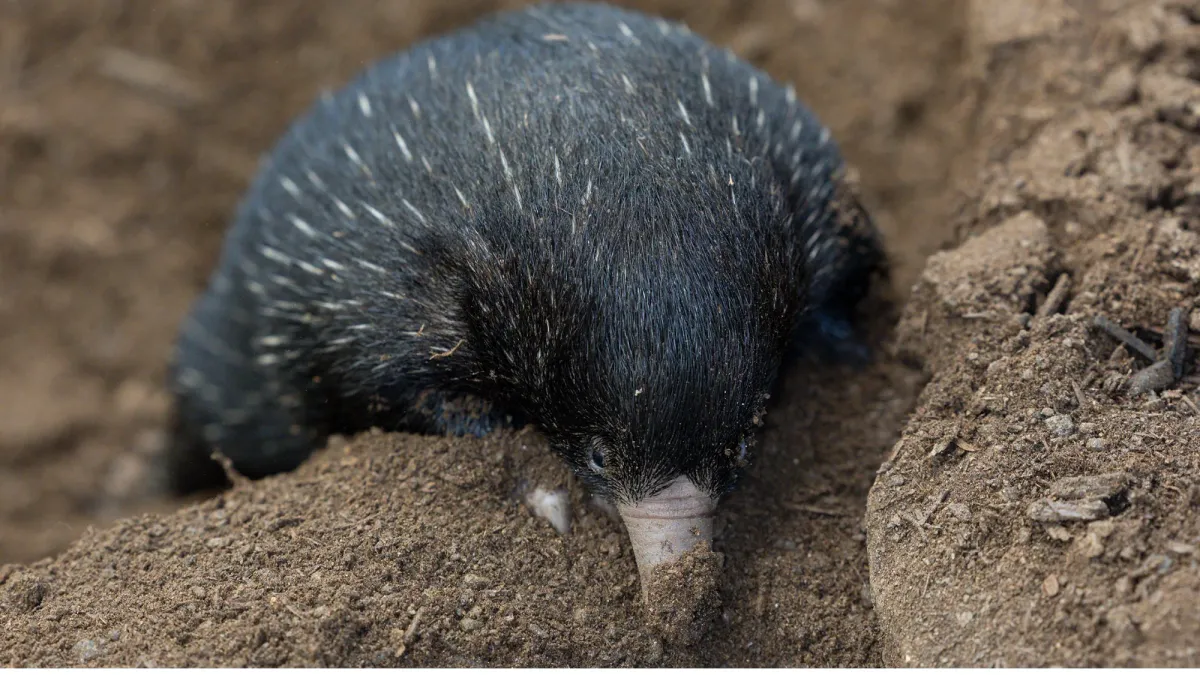
Some babies are born ready to party; they hit the ground running, or at least waddling. Others? They're more of a long-term project, requiring a lot of parental commitment before they're ready to face the world. Echidnas, those delightful, spiky mammals from Australia and New Guinea, fall firmly into the latter camp.
Their babies, known as puggles, are about as needy as they come. And right now, the staff at San Diego's Harter Veterinary Medical Center are getting a masterclass in puggle parenting. Kathryn, a short-beaked echidna at the San Diego Zoo Safari Park, decided to go for a two-for-one deal this season, having two puggles. One of them is currently getting the VIP human-raised treatment.
The Marshmallow-Sized Marvels
Echidnas are one of only two mammals that lay eggs (the platypus being the other, because Australia just likes to keep things interesting). After about ten days tucked away in mom's temporary pouch, the puggle hatches. And here's the kicker: it's born without fur or spines, weighing roughly the same as half a miniature marshmallow. Let that satisfyingly tiny number sink in.
We're a new kind of news feed.
Regular news is designed to drain you. We're a non-profit built to restore you. Every story we publish is scored for impact, progress, and hope.
Start Your News DetoxJennifer LeBeau, a lead wildlife care specialist, explains that an echidna's pouch is basically a pop-up shop, appearing only when there's an egg to incubate and a puggle to raise. The little one chills in there for about two months before mom relocates it to a nursery burrow. Her job isn't over, though. She'll literally fill the burrow with dirt and return every few days to feed her hidden baby, only stopping the dirt-packing once the puggle is ready for its grand reveal to the outside world.
Kathryn's first puggle is doing just fine in its dirt burrow. But the second one, the little overachiever, wasn't quite hitting its weight targets. So, off to the Safari Park's Harter Veterinary Medical Center it went.

There, veterinarians are performing regular stomach ultrasounds, because apparently that's where we are now with baby echidna care. This helps them precisely time feedings, ensuring the puggle digests its formula at just the right pace. Anthony Cerreta, a clinical veterinarian, notes that hand-rearing puggles this young is a delicate dance with a historically lower success rate. So, the tiny, marshmallow-esque creature is getting daily vet checks and at least two daily visits from wildlife care specialists. Because when you're half a marshmallow, every gram counts.