This week in wildlife features a collection of animals from around the globe. From a tiny mouse thriving in extreme conditions to a raccoon needing a helping hand, these stories highlight both the resilience of nature and ongoing conservation efforts.
Remarkable Rescues and Recoveries
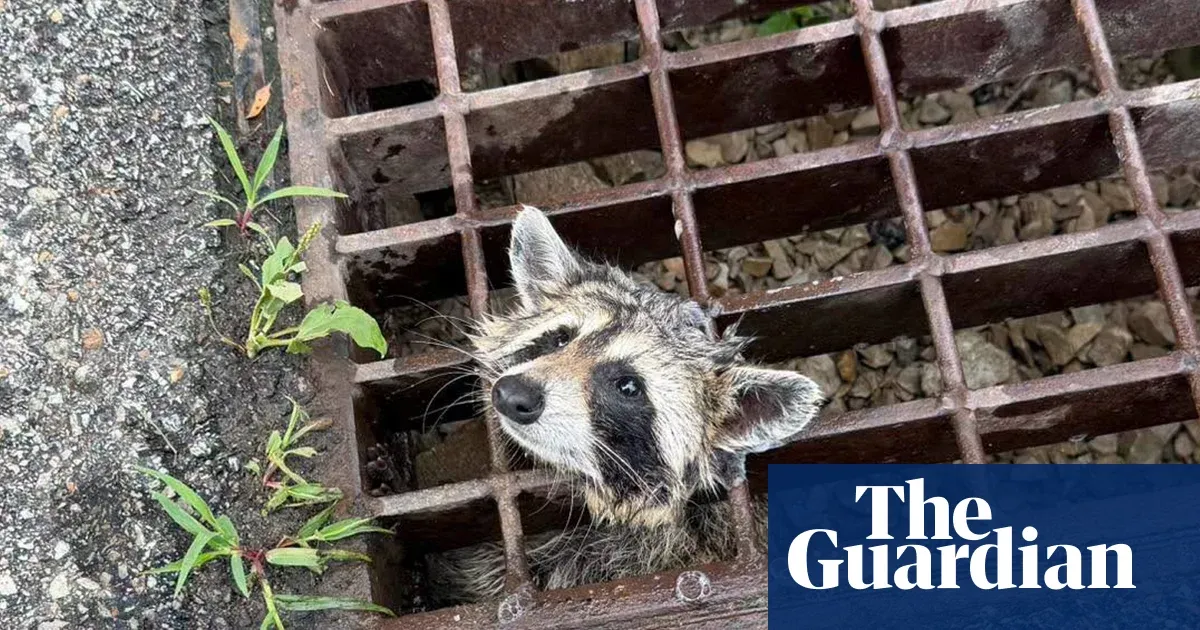
In rural Pennsylvania, a raccoon found itself stuck in a storm drain. A local resident first tried to free it with washing-up liquid and water. When that didn't work, firefighters used hydraulic "jaws of life" equipment to lift the grate. They then carefully cut the metal bars to free the raccoon, which ran off unharmed.
Conservation efforts are also showing success for several species. In northern Greece, brown bear numbers have nearly doubled in six years, with about 900 bears counted in a 2025 survey. This increase is due to ongoing conservation measures.
We're a new kind of news feed.
Regular news is designed to drain you. We're a non-profit built to restore you. Every story we publish is scored for impact, progress, and hope.
Start Your News DetoxMilu deer, once extinct in the wild in China, have made a comeback. A small population from European zoos was reintroduced in 1985. Now, Jiangsu Province serves as the largest wild sanctuary for them globally. Similarly, northern bald ibises in Turkey, whose population dropped below 100 in the 1970s, are multiplying again thanks to long-term protection.
Bolivia's National Program for the Conservation of the Harpy Eagle documented the birth of a harpy eagle chick. This is the second recorded birth in Bolivia within a year, marking a significant step for the conservation of this large eagle species.
Wildlife in Diverse Habitats
Scientists were surprised to find an Andean leaf-eared mouse thriving at nearly 7,000 meters above sea level on a remote Andean volcano. This habitat has scarce oxygen, sub-zero temperatures, and toxic plants, yet the mouse appears to be doing well. One researcher noted, "Evolution never ceases to surprise us."
 Photograph: Marcial Quiroga-Carmona/AFP/Getty Images
Costa Rica, despite covering only 0.03% of Earth's landmass, is home to nearly 5% of all estimated species, making it one of the most biodiverse countries. This week, a robber fly and a caterpillar were photographed there.
In London, a darter dragonfly rested on a water lily at Kew Gardens during the Inter-Garden Weigh-Off. This competition challenges botanical gardens to see which Victoria boliviana water lily leaves can hold the most water. The largest leaf of this species ever recorded spanned 3.2 meters. Pelicans were also seen strolling in St James’s Park.
Flamingos cooled off in the shallow lakes of the Zwillbrocker Venn wetlands in north-western Germany. The reserve hosts greater flamingos, as well as Chilean and American species, believed to be descendants of escaped captive birds.
Environmental Challenges
A ringed seal resting on a sand spit on Banks Island in the Arctic highlights the impact of climate change. Rapidly melting sea ice has left it stranded. Thawing permafrost is also releasing sediment, carrying mercury into the ocean. Traces of this toxic metal have been found in seal fat, threatening marine life and human health for those who rely on marine animals for food.
In Islamabad, Pakistan, the Margallah wildlife rescue center is seeing more birds, like an owlet receiving water, suffering from dehydration or heatstroke. This indicates increasing environmental stress on local wildlife.
Loggerhead sea turtles named Inci and Mercan were released into the sea in Antalya, Turkey, after being fitted with satellite tracking devices. They are part of a research project studying their migration habits and adaptations to the climate crisis.