Our brains evolved for small groups and slow information. Social media moves at the speed of light. Something has to give.
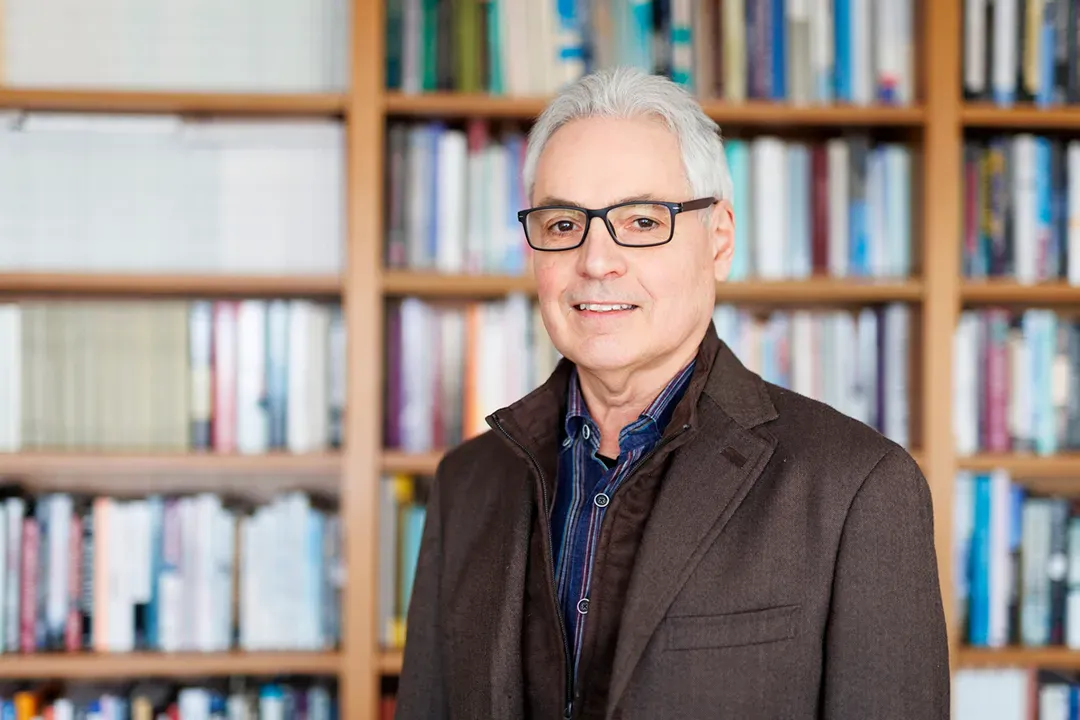
Social psychologist Frank McAndrew has spent years studying gossip — not as a moral failing, but as a deeply human behavior. He's found that we're wired to care about what's happening in our social circles. That instinct kept our ancestors alive. But it wasn't designed for feeds that update every second, for screenshots that live forever, for audiences of thousands.
"Our caveman brains are unprepared for the speed of social media," McAndrew says. And increasingly, people seem to be noticing. There's a quiet shift happening: conversations are moving back offline.
We're a new kind of news feed.
Regular news is designed to drain you. We're a non-profit built to restore you. Every story we publish is scored for impact, progress, and hope.
Start Your News DetoxNot all gossip is the same, McAndrew explains. There's gossip that serves a group — information shared carefully within trusted circles, the kind that actually builds community and strengthens bonds. Then there's the other kind: the performative, competitive, denigrating version that social media amplifies and rewards. Online, the algorithm doesn't distinguish between them. It just spreads whatever gets engagement.
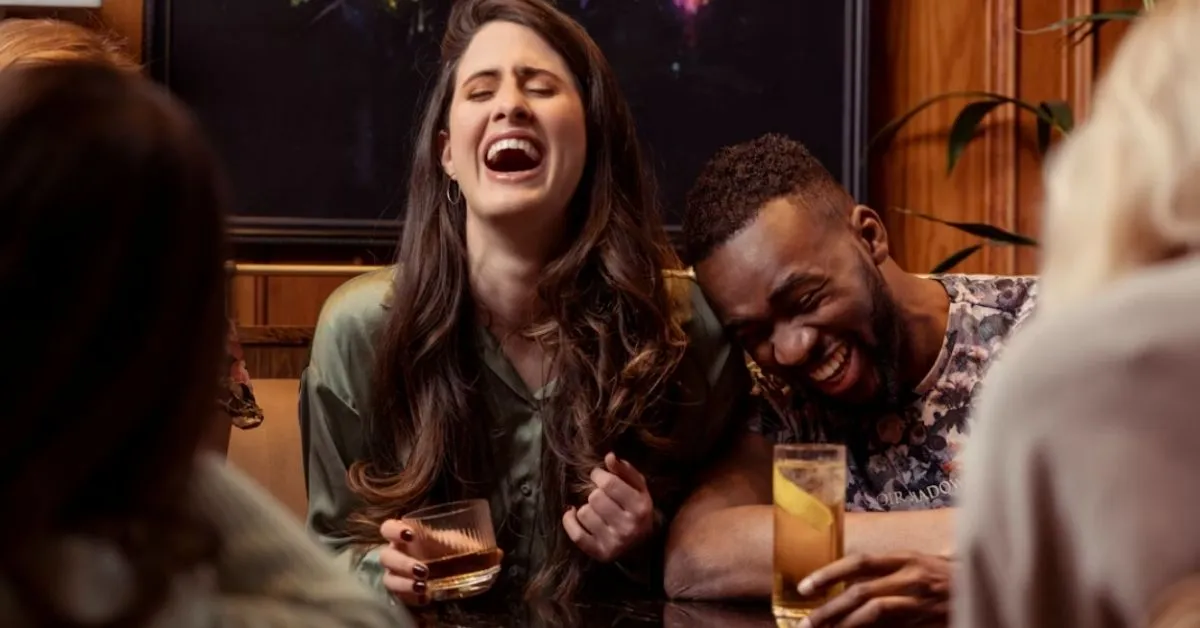
Historian Christopher M. Elias points out that genuine community-building happens in person, even when the conversation is just idle talk. There's something about physical proximity — the ability to read a face, to know who's in the room, to understand context — that changes how information moves and how it lands. In person, gossip has natural brakes. Online, it accelerates endlessly.
McAndrew notes that in-person gossiping carries less risk than the permanent, scalable version we've gotten used to. A conversation stays a conversation. Words don't calcify into screenshots. The social pressure to be careful is immediate and real.
This isn't nostalgia for some pre-internet golden age. It's recognition that our nervous systems have limits, and that some of the ways we connect — the messy, intimate, local ways — might actually be worth protecting. As we move through 2026 and beyond, expect to see more people choosing coffee shops over comments sections, real friends over follower counts. Not because online connection is bad, but because in-person connection does something different. It does what we're built for.