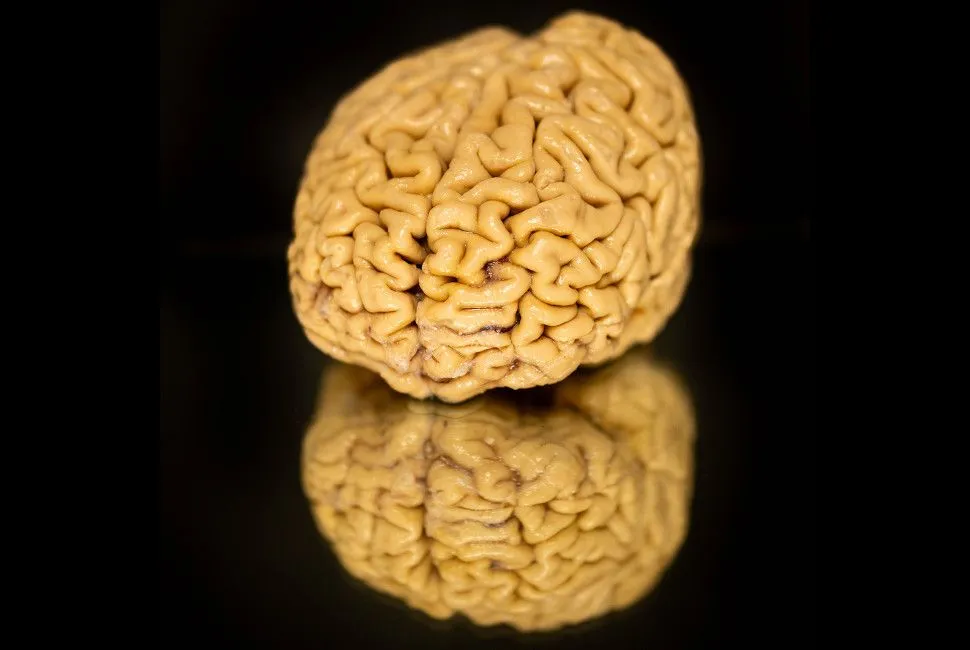
Your gut bacteria might be the reason olive oil is good for your brain.
A new study of 656 adults found that people who regularly ate extra virgin olive oil showed better cognitive performance over two years — and the benefit seems to flow through their digestive system. Researchers tracked participants aged 55 to 75 with metabolic syndrome (a cluster of conditions that raise heart disease risk) and found that those choosing extra virgin over refined olive oil not only performed better on cognitive tests but also developed more diverse gut bacteria, a sign of digestive health.
The twist: refined olive oil had the opposite effect. People using refined versions actually lost microbial diversity over time.
"This is the first prospective study in humans to specifically analyze the role of olive oil in the interaction between gut microbiota and cognitive function," explains Jiaqi Ni, the study's lead researcher from Universitat Rovira i Virgili in Spain.
We're a new kind of news feed.
Regular news is designed to drain you. We're a non-profit built to restore you. Every story we publish is scored for impact, progress, and hope.
Start Your News DetoxWhy Extra Virgin Makes the Difference
The difference comes down to processing. Extra virgin olive oil uses only mechanical extraction — basically pressing olives. Refined olive oil gets industrial treatment designed to strip out impurities, which also removes naturally occurring compounds like antioxidants and polyphenols. Those compounds appear to be where the brain benefit lives.
Researchers even identified a specific bacterial genus called Adlercreutzia that seemed to mark the connection between virgin olive oil consumption and preserved cognitive function. It's a small detail with real implications: the brain benefits aren't random — they're tied to specific shifts in your microbiome.
Ni is direct about this: "Not all olive oils have benefits for cognitive function." The quality matters more than the quantity.
A Simple Strategy for Brain Health
The timing of this research feels important. Cognitive decline and dementia cases are rising as populations age, and diet is one of the few levers people can actually control. Study co-directors Nancy Babio and Stephanie Nishi emphasize that "at a time when cases of cognitive decline and dementia are on the rise, our findings drive home the importance of improving diet quality, and in particular prioritising extra virgin olive oil over other refined versions as an effective, simple and accessible strategy for protecting brain health."
Principal investigator Jordi Salas-Salvadó frames it this way: "The quality of the fat we consume is as important as the quantity; extra virgin olive oil not only protects the heart, but can also help preserve the brain during ageing."
The research came from the PREDIMED Plus project, which tracked participants over two years. It's part of a larger shift in nutrition science toward understanding how diet, gut microbes, and long-term health are woven together. Identifying this microbial pattern could eventually lead to more targeted prevention strategies — but for now, the message is straightforward: if you're using olive oil, make it extra virgin.
Source: Total and different types of olive oil consumption, gut microbiota, and cognitive function changes in older adults — Microbiome, January 24, 2026