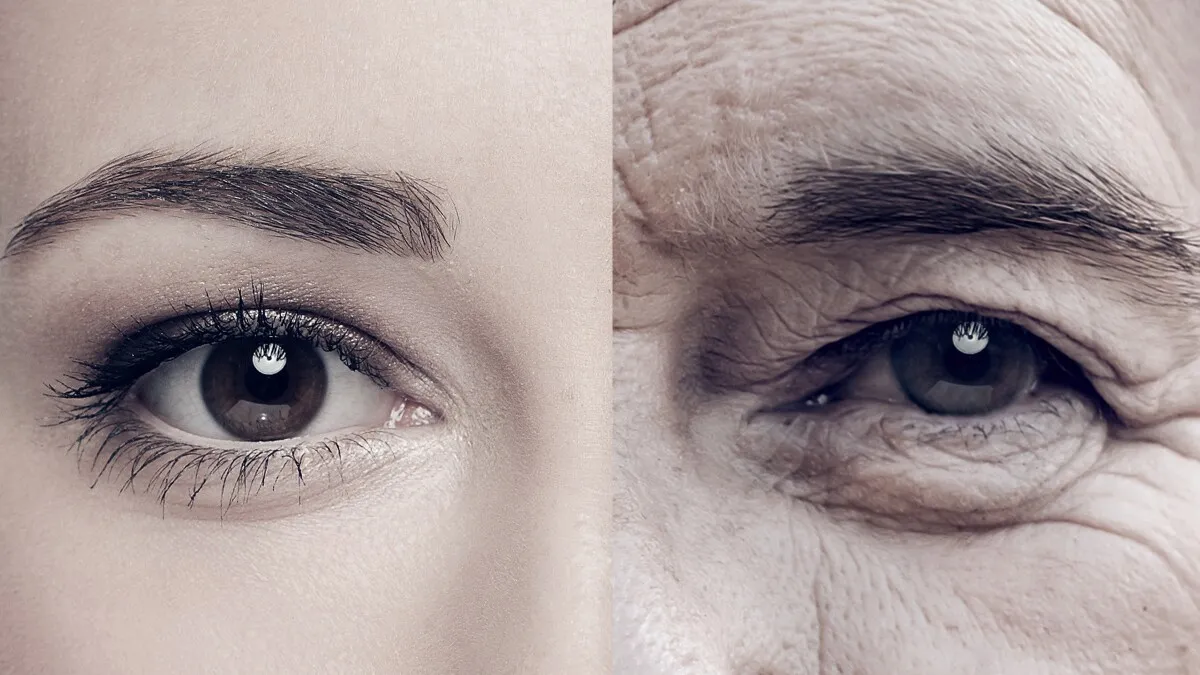
Your cells have an expiration date. At some point, they simply stop dividing and renewing themselves — a process called senescence that's woven into aging itself. But researchers at Cornell University's College of Veterinary Medicine have found something unexpected: tiny molecular messengers from embryonic cells can convince aging cells to keep going.
These messengers are extracellular vesicles — think of them as cellular mail carriers, small membrane-wrapped particles that float between cells delivering chemical signals. In a study published in the Journal of Biological Chemistry, lead researcher Shun Enomoto and his team discovered that vesicles from embryonic stem cells can shield other cells from oxidative stress, one of the main drivers pushing cells toward senescence.
How the protection works
The mechanism is surprisingly elegant. These vesicles are coated with fibronectin, a protein that acts like a key in a lock. When the vesicles encounter aging cells, fibronectin triggers the release of enzymes that neutralize oxidative stress — the cellular damage that normally accelerates aging. In the lab, treated cells kept dividing long after untreated ones had stopped. "It was an amazing thing to watch," says Marc Antonyak, an associate research professor who collaborated on the study.
We're a new kind of news feed.
Regular news is designed to drain you. We're a non-profit built to restore you. Every story we publish is scored for impact, progress, and hope.
Start Your News DetoxWhat makes this work interesting isn't just that it slowed aging in a dish. The Cornell team is already planning the next step: testing these vesicles directly in mice to see if they can actually slow aging in a living organism. If that works, they'll move to human cells — specifically, adult cells that have been genetically rewound to an embryonic state, which could make the approach more practical.
This builds on earlier research showing that "young blood" contains vesicles with anti-aging properties, and that exercise itself stimulates the body to produce vesicles that protect the brain. What's emerging is a picture of aging not as inevitable decline, but as a process we might be able to modulate through molecular signals we're only now learning to recognize.
The next phase of testing will tell us whether what works in cells can actually extend healthy lifespan in living animals — and whether we're looking at a tool that could eventually reach human medicine.