The soil under your feet is alive. It's a network of microbes, fungi, and organic matter that took decades to build and can take just as long to destroy. In parts of India, industrial waste had rendered farmland completely unusable—the kind of contamination that makes planting anything feel pointless. But a growing number of farmers in these regions have started proving that recovery is possible.
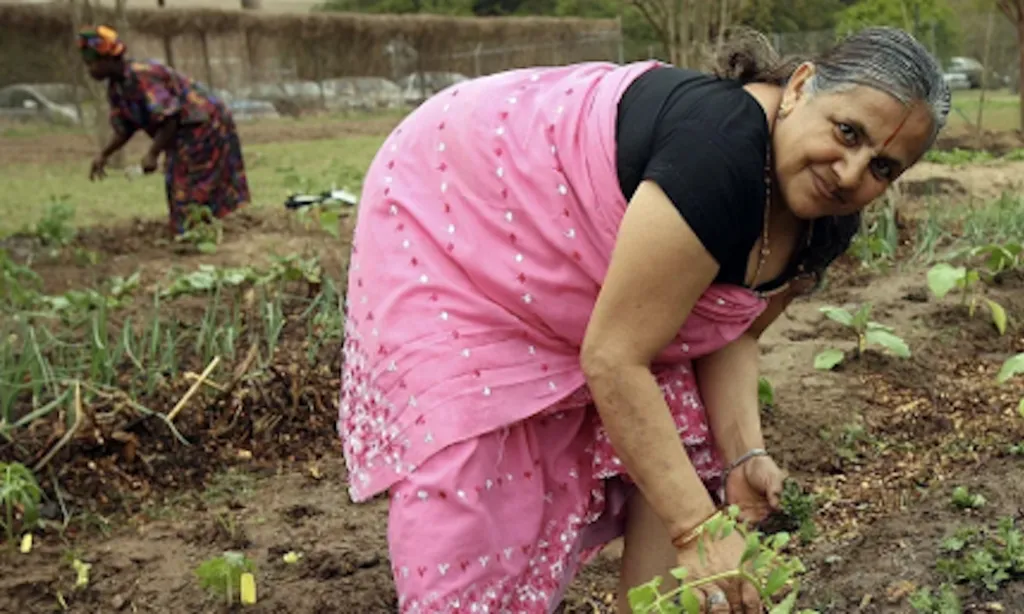
These farmers began with a simple observation: soil health and community health are inseparable. When the earth beneath your fields is toxic, the water that flows through it becomes toxic, the crops that grow in it become toxic, and the people who eat those crops suffer. The inverse is also true. Fix the soil, and everything downstream gets better.
Reclaiming What Was Lost
The techniques aren't exotic. Organic amendments—compost, natural fertilizers, crop rotation—work because they restore the biological life that industrial agriculture had killed off. Microorganisms return. Water retention improves. The soil stops being inert substrate and becomes a living system again.
We're a new kind of news feed.
Regular news is designed to drain you. We're a non-profit built to restore you. Every story we publish is scored for impact, progress, and hope.
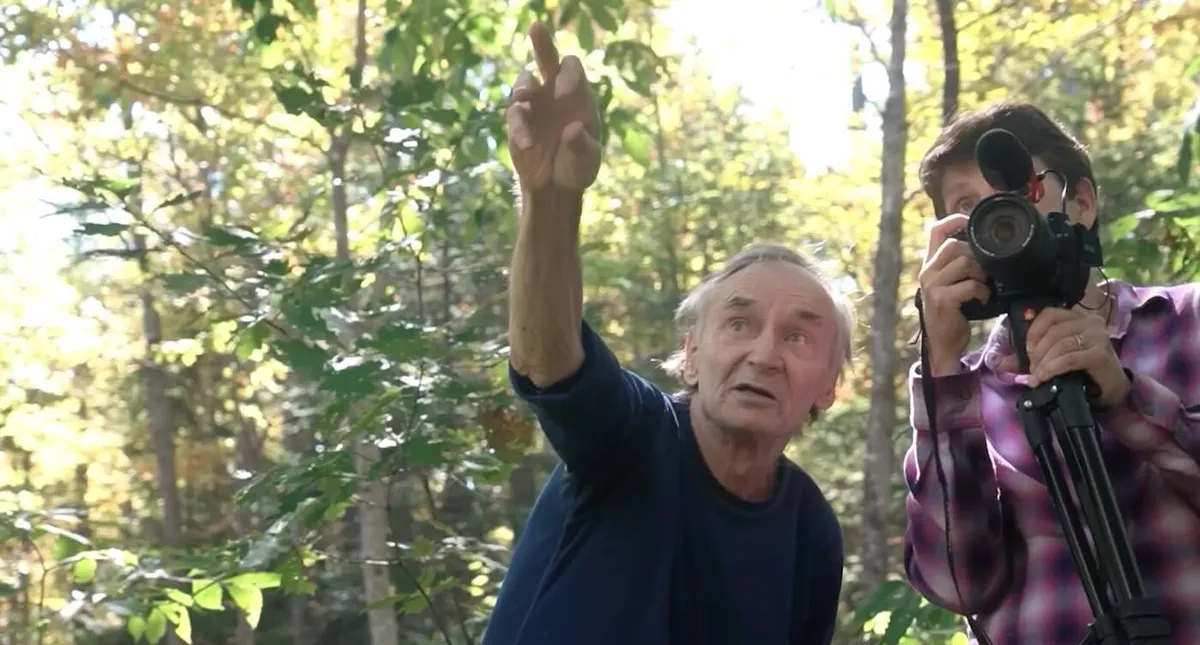
Start Your News DetoxOne farmer involved in the restoration put it plainly: "The soil is the foundation of life. When we heal the soil, we heal the land, the water, the air, and the people who depend on it." It sounds almost philosophical until you realize he's describing basic ecology—the principle that everything connects.
What makes this work isn't just the method. It's the mindset shift. These farmers stopped seeing degraded land as a loss and started seeing it as a challenge they could actually solve. That shift from resignation to action is where real change begins.
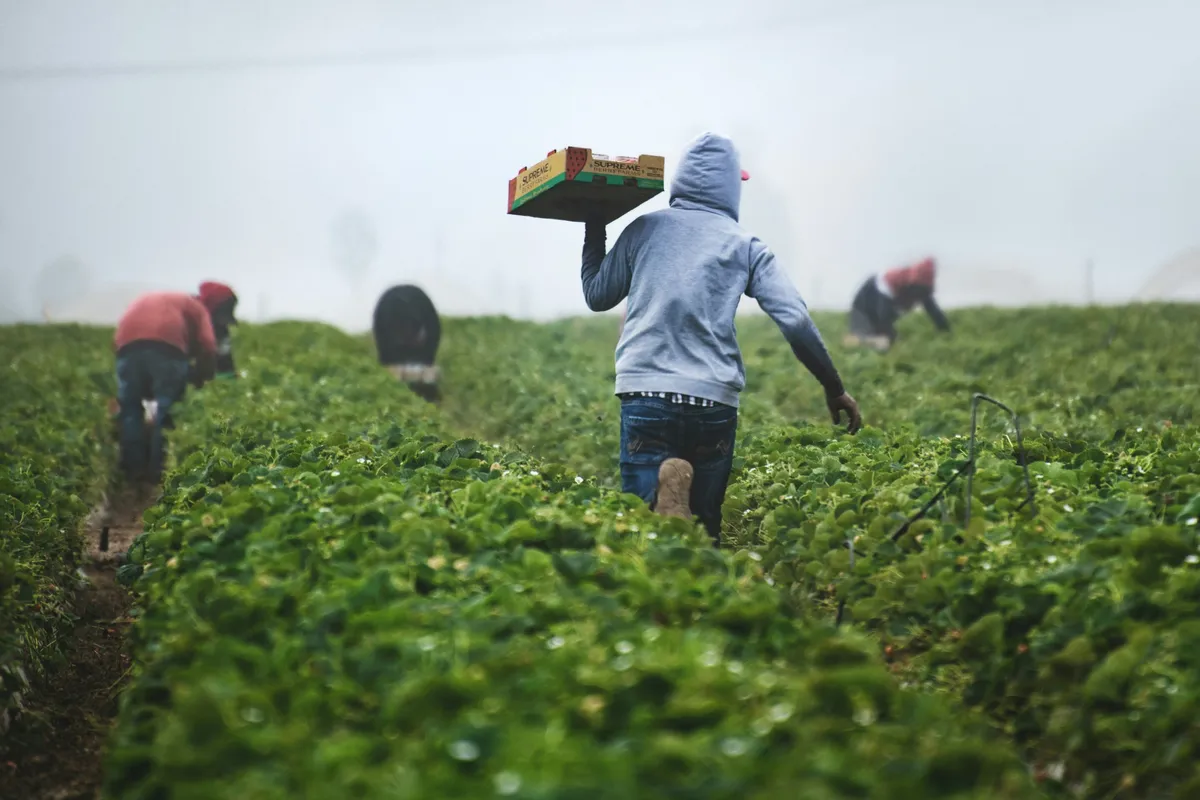
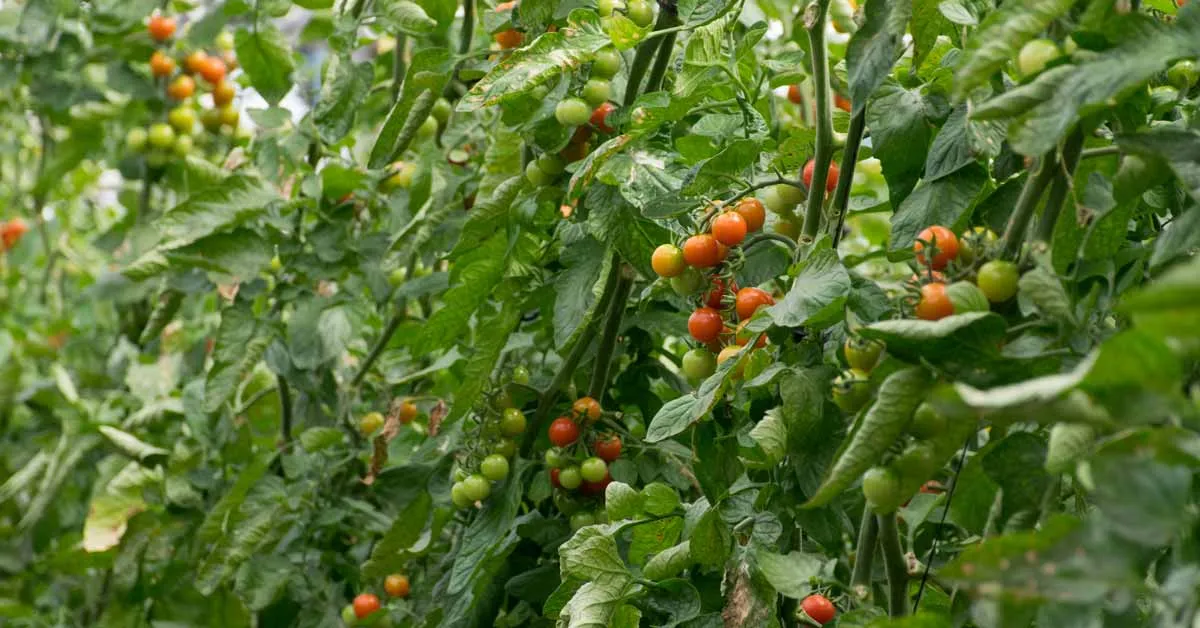
The results are measurable. Barren fields have become productive again. Yields return. The local ecosystem—the insects, the birds, the microbes in the soil itself—comes back to life. And because these farmers are doing it without synthetic inputs, the food they produce is cleaner, and the land itself becomes more resilient to future stress.
What started as individual farmers experimenting with restoration is becoming a broader movement. Each success story spreads to neighboring communities, each harvest proves the method works, each season of recovery builds momentum. The farmers aren't waiting for government programs or corporate solutions. They're simply showing that when you stop poisoning the earth and start healing it, the earth responds.